Honda CR-V & Accord Spare Key in Fort Worth (2026 Guide)
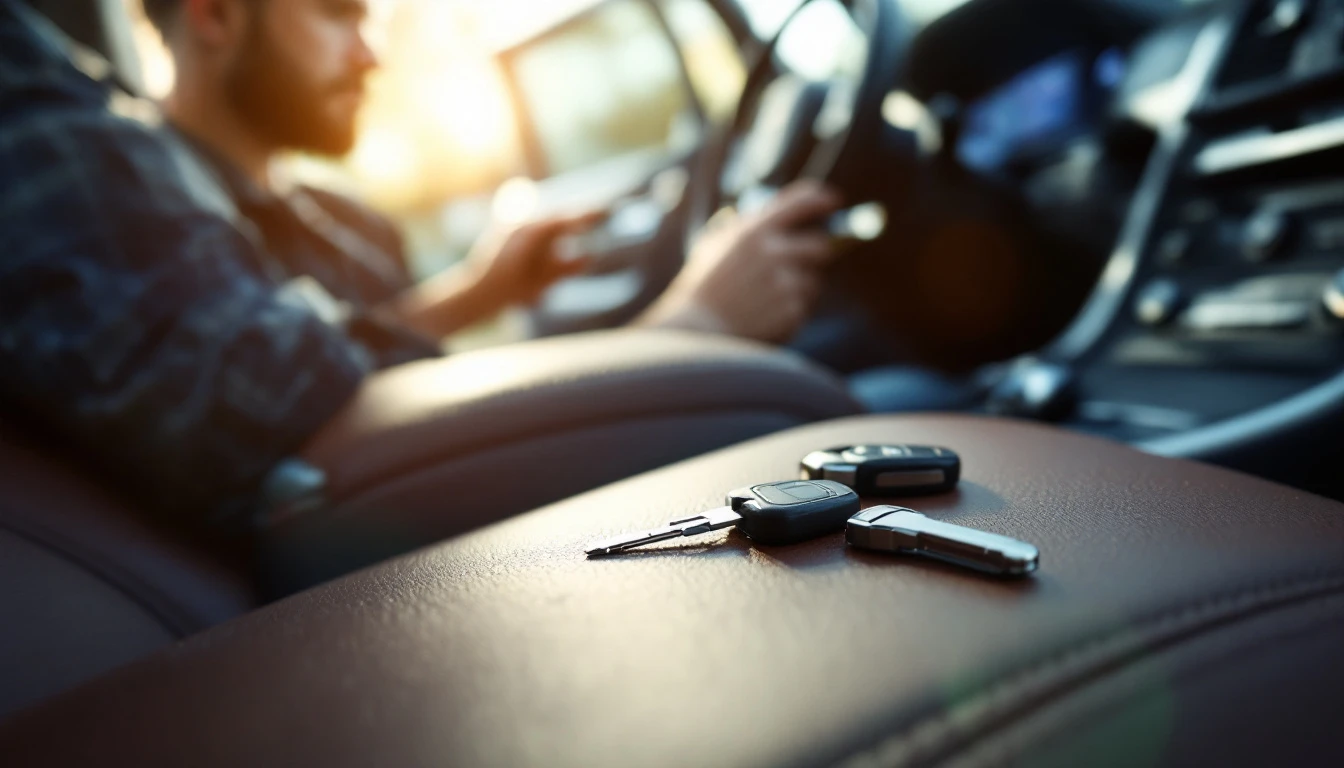
The cheapest Honda key job on the board is the one you book while your current key still turns the ignition or wakes the push-button start. The most expensive one is the same vehicle three weeks later with nothing in your pocket. On Honda specifically, the gap between those two situations is wider than owners tend to assume, because of how Honda handles key registration and because of a quirk in some procedures that can quietly invalidate keys that were not in the car when the work was done.
This is a practical guide to adding a spare to a Honda CR-V or Accord from roughly 2003 through the current model year — what key you actually have, how the immobilizer decides whether it is real, and why the whole set should come to the appointment.
Start With What Is In Your Hand
Honda has used three broadly different key formats on these two vehicles over the last twenty-odd years, and the format determines almost everything about the job: the hardware cost, the cutting method, the programming path, and how long it takes.
The chipped blade key years
Early CR-Vs and Accords of the 2000s use a conventional cut blade key with a transponder chip in the head. The chip is passive — it has no battery and does nothing until the ignition coil energises it — and it exists purely so the immobilizer can decide whether to let the engine run. Remote lock and unlock, where fitted, lived on a separate keyfob that had nothing to do with starting the car.
That separation matters. On these vehicles a key can start the engine and not lock the doors, or the remote can work perfectly while the engine refuses to run — two independent systems that merely travel on the same keyring. Our overview of transponder key programming covers how that chip handshake works.
The remote-head key years
From the late 2000s Honda consolidated the two halves into a single remote-head key: a cut blade with the lock, unlock, and panic buttons moulded into a fatter head, plus the same style of immobilizer chip inside. One object, two functions, one thing to lose.
Remote-head keys are still relatively inexpensive to replace and are the format most CR-V and Accord owners in Fort Worth are carrying if their vehicle is roughly ten to fifteen years old. Because the remote circuitry now lives in the same housing as the chip, a cracked head or a snapped blade takes both functions out at once.
Smart Entry and push-to-start
Honda's Smart Entry system moved the key into a proximity fob. The vehicle detects the fob nearby, unlocks on a door-handle touch, and permits a push-button start without the fob leaving your pocket. There is still a physical emergency blade hidden inside the fob for the driver's door, and there is still a defined way to start the car when the fob battery dies, usually by holding the fob against the start button so the vehicle can read it at very short range.
Smart Entry fobs are the expensive end of Honda key work — the hardware costs several times what a blade key does before anyone programs anything, which is why the proximity band is so much wider. Programming them is routine work with smart key programming equipment when a working fob is present.
Where the CR-V and Accord Model-Year Lines Fall
Both vehicles crossed between formats at different points, and the crossings do not always happen at a clean generation boundary — trim level and build date move the line.
Accord. The mid-2000s cars are chipped blade keys with separate remotes. The late-2000s and early-2010s generation is squarely remote-head key territory. The mid-2010s generation is the split one: base trims kept a remote-head key while the higher trims got Smart Entry and push-button start, so two Accords of the same model year in the same parking lot can be different jobs. From the 2018 model year the line is unambiguous — Smart Entry across the board — and the current generation continues that.
CR-V. The early-2000s CR-V uses the chipped blade key. The late-2000s and early-2010s CR-V is a remote-head key vehicle. The mid-2010s and the following generation ran the same split as the Accord, with base trims on a remote-head key and everything above it on Smart Entry, and that split persisted longer on the CR-V than on the sedan. The current CR-V generation is push-button start throughout.
The honest version: the generation tells you roughly what to expect, the trim tells you more, and the VIN tells you for certain — which is why a phone quote given without those details is a guess. For the broader make-level picture, our Honda key replacement guide covers the range beyond these two models.
How Honda's Immobilizer Decides Your Key Is Real
Every one of these formats sits on the same basic idea. An antenna ring around the ignition lock, or an antenna array in the cabin on a Smart Entry car, interrogates the key. The key answers with a stored identity, and a control unit compares that answer against the list of identities it has been told to accept. If the answer is not on the list, the engine cranks and immediately dies — or on a push-button car refuses to crank at all — and a security indicator lights up.
Honda ties that list closely to the powertrain control side of the vehicle rather than leaving it as an isolated box, which matters if a control module is ever replaced rather than a key. For a straightforward spare, none of that comes into play: the list already contains a valid entry, and the job is to add one more.
The Two-Key Rule Nobody Warns You About
Here is the Honda-specific detail that catches people out.
Honda's older immobilizer systems included a manual registration path that required two already-registered master keys, presented in a defined sequence, before a third could be enrolled. It was a deliberate design choice: possession of two trusted keys was treated as proof that you owned the vehicle. It is also why so many Hondas of that era were delivered with two keys and why the owner's literature nudges you to keep both.
With modern programming equipment, a single working key is generally sufficient on most model years, and the two-key path is a fallback rather than the norm. But the rule left a shadow that still matters: Hondas are a make where being down to one key is a genuinely worse position than it is on many other vehicles. If that last key fails, you are not one step from a spare, you are into an all-keys-lost recovery.
Slot Limits and Why the Whole Set Comes With You
Two more mechanical realities shape a Honda spare-key appointment.
The accepted list is finite. Honda systems hold a limited number of registered keys — a small number, not a dozen — and a vehicle that has passed through several owners may already have consumed part of that capacity. A used CR-V bought with one key does not necessarily have a clean slate behind it.
Some registration routines rewrite the list rather than append to it. On certain model years and certain tool paths, the procedure clears the stored keys and re-registers only the ones physically presented during the session. That is not damage and it is not an error — it is how that routine is designed. But it means a spare living in a kitchen drawer across town can silently stop working while you stand in the driveway watching a new key get made.
One behaviour solves both problems: bring every key and fob you own to the appointment, including ones you believe are dead. A key you had written off may still hold valid data, and a key left at home may be the one dropped from the list. Neither risk costs anything to avoid.
What a Spare Costs Versus What Losing the Last Key Costs
Pricing below is the established band for this work. As of August 2026 these are ranges, not quotes — the vehicle, the key format, and the hardware supply set the final figure, and hardware is priced separately from labour.
| Honda CR-V / Accord key work | Range (as of August 2026) | What moves the number |
|---|---|---|
| Chipped blade or remote-head key, cut and programmed, working key present | $120 – $250 | Blade type, remote functions, key hardware supply |
| Smart Entry proximity fob spare, working fob present | $250 – $650+ | Fob hardware cost is the dominant factor |
| All keys lost, chipped blade or remote-head | Quoted after diagnosis | Entry, security access, longer procedure |
| All keys lost, Smart Entry | Quoted after diagnosis | Most involved path on these vehicles |
| Mechanical-only spare, no chip, doors and glovebox | Low end of the key band | Will not start the engine — backup use only |
| Immobilizer or powertrain control unit work | $150 – $500 | Only relevant if a module, not a key, is the problem |
The mechanical-only row is worth a note because it is frequently misunderstood. A blade cut to your locks without a chip opens the driver's door and the glovebox and does nothing at the ignition. As a cheap way back into a locked car, reasonable. As a spare that drives the vehicle, no.
What the Appointment Actually Looks Like
Ownership is verified before anything else. Photo identification checked against registration, title, or an insurance card in a matching name. This is not a formality and it is not negotiable — it is the line between a locksmith and a thief, and the Federal Trade Commission's guidance on locksmith practices treats it as basic. In Texas, companies performing this work operate under the Texas Department of Public Safety Private Security Program.
The vehicle is identified properly. Year, trim, VIN, existing key format, and battery condition — registration on a marginal battery is a common cause of a failed session, and a Honda that has sat for two weeks in August heat is worth checking first.
The blade is cut, or the fob is prepared, then the chip or fob is registered through the diagnostic port with the working key present.
Everything is verified before anyone leaves. Engine start on the new key. Lock, unlock, panic, trunk. On Smart Entry cars, the emergency start-by-fob-contact routine, so you have seen it work before you need it at 11pm. And critically, every previously existing key is re-tested, because of the rewrite behaviour described above.
When a Spare Job Turns Out To Be Something Else
Occasionally what looks like a key problem is not one, and being told that honestly is more valuable than a key being sold anyway.
A key that turns but produces a security light and an engine that dies after two seconds points at the immobilizer, not the blade. A push-button Accord reporting no key detected while a fresh fob sits in the cupholder points at the receiver, the vehicle battery, or interference. A key that will not physically turn is an ignition cylinder question and belongs under ignition repair.
And if the last key really is already gone, the job changes category. That is covered properly in our guide to Honda dealership key replacement versus mobile service in Fort Worth, which walks through what an all-keys-lost Honda involves and where the dealer genuinely is the right call.
Frequently Asked Questions
How much does a spare key for a Honda CR-V or Accord cost in Fort Worth?
As of August 2026 a transponder or remote-head key that is cut and programmed while a working key exists generally falls in the $120 to $250 range, and a Smart Entry push-to-start fob generally falls in the $250 to $650 or higher range. The fob hardware itself is the largest variable, because a proximity fob costs several times what a blade key costs before anyone programs anything. Those ranges assume one working key is present. An all-keys-lost Honda is quoted after the vehicle is identified and inspected.
Does my CR-V or Accord use a transponder key, a remote-head key, or a Smart Entry fob?
Roughly speaking, early-2000s CR-Vs and Accords use a plain chipped blade key with the remote sold separately or not at all. From the late 2000s Honda moved to remote-head keys where the lock buttons and blade are one piece. Smart Entry push-to-start fobs arrived on upper trims in the mid-2010s and became standard across both lines by the 2018 Accord and the 2023 CR-V. Trim and build date move those lines, so the safest answer is the one you get by reading your specific VIN.
Why do some Honda key procedures ask for two working keys?
Honda's older immobilizer systems supported a manual registration path that required two already-registered master keys to be presented in sequence before a third could be added. That procedure exists in the factory service information for a number of model years and is the reason older Hondas were often delivered with two keys rather than one. With a capable programming tool a single working key is usually enough on most model years. The two-key path still matters when a tool cannot reach the vehicle or when the system is one of the ones that insists on it.
Can programming a new Honda key erase the keys I already have?
On some model years and some tool paths, yes. Certain Honda registration routines clear the stored key list and then re-register only the keys physically presented during the session, which means a key sitting in a kitchen drawer at home can quietly stop working. This is not damage and it is not a mistake, it is how that particular routine behaves. It is also the single best reason to bring every key you own to the appointment, including ones you think are dead.
Is a Honda spare key really cheaper than replacing all keys?
Substantially, and the difference is structural rather than a matter of markup. With a working key present the immobilizer already trusts something, so the new key is added to an existing accepted set through the diagnostic port. With no working key there is nothing to establish that trust, so the job adds physical entry, possible security-access steps, and a longer procedure before any key is cut. The vehicle also cannot be driven to you, which usually adds a tow or a mobile visit under worse conditions.
Do I have to go to a Honda dealer for a Smart Entry fob?
Not in most cases. Smart Entry fobs on the CR-V and Accord are routinely programmed by properly equipped mobile locksmiths while a working fob is present, and mobile service avoids the tow and the shop appointment window. Some late-model Honda procedures require an authenticated tool session, and where that is the case you should be told before anyone starts rather than after. If your specific vehicle turns out to be a genuine dealer-only case, hearing that early costs you nothing.
What do I need to have ready for a Honda spare key appointment?
Bring government-issued photo identification and proof of ownership such as the registration, title, or insurance card in a matching name, because proof of ownership is required before any key work begins. Bring every key and fob you own, working or not. Have the vehicle accessible with a healthy battery, since immobilizer registration on a weak battery is a common cause of failed sessions. Knowing the model year and trim in advance lets the right key be brought on the first visit.
Get the Second Key Made While the First One Still Works
A Honda spare is one of the few pieces of car maintenance that is unambiguously cheaper to do early. It takes an ordinary appointment in your own driveway, it does not require a tow, and it removes the scenario where a worn key finally gives up in a parking lot at the far end of the day.
Call or text (817) 668-3801, email contact@fwlocksmith.com, or use the contact page to confirm your key format before anyone rolls. Mobile Honda key service is available across Fort Worth and the surrounding Tarrant County cities. Bring every key you own, have your registration ready, and expect proof of ownership to be checked before work begins.