Car Clicks but Won't Crank When You Turn the Key: Causes and Fixes (2026)
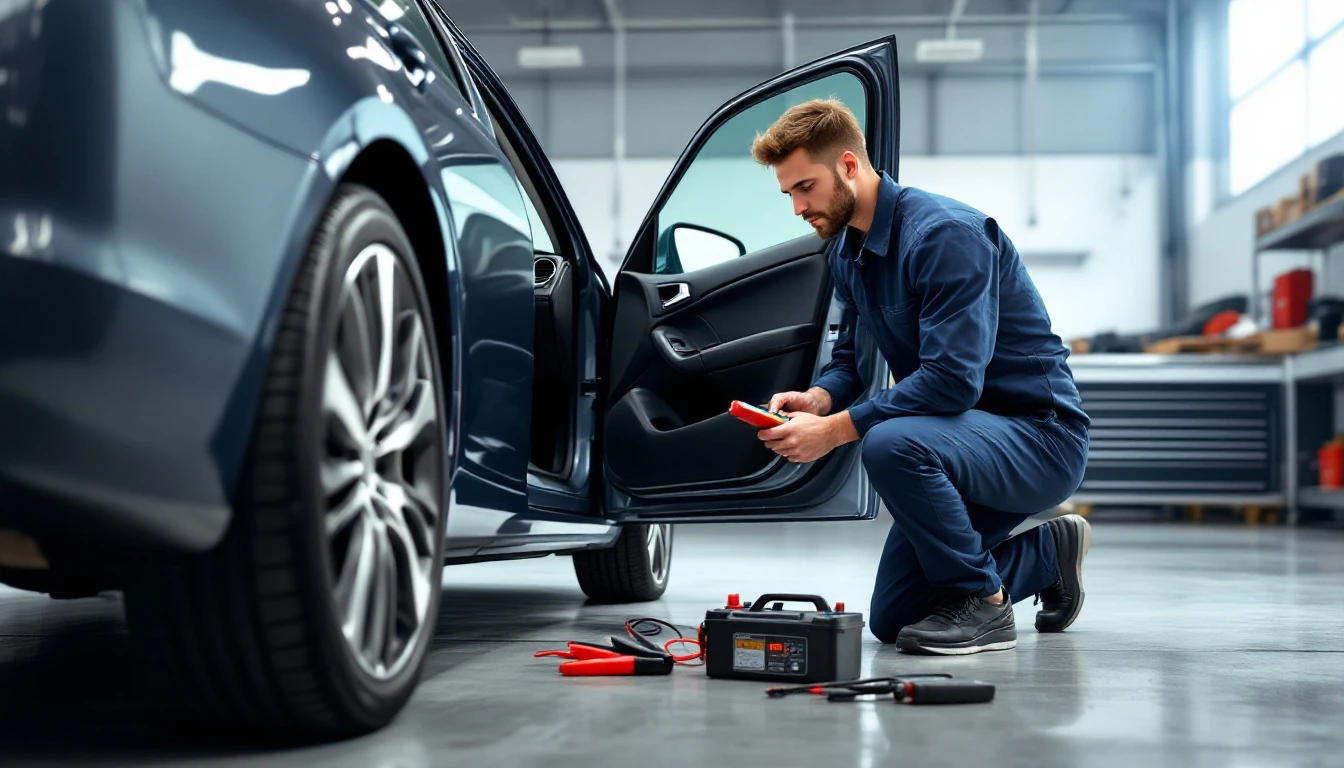
As of November 2026, a car that clicks but will not crank is most often a weak battery or a loose, corroded terminal, and the sound tells you which direction to look. A fast chatter points to low battery power. A single click points to the starter or its solenoid. Silence with a lit dash points toward the ignition switch, the immobilizer or a safety input. The locksmith-side repairs, which are the ignition and the key system, typically run $120 to $500 in Fort Worth, and the mechanical ones are priced by a repair shop.
This guide helps you work out which of these you have, shows the simple tests that take a few minutes, and explains when the cause is an ignition or key-system fault we repair on site. If the engine does crank and then fails to run, see our cranks but will not start after ignition replacement guide instead.
Start With the Sound: What You Hear Tells You Where to Look
When you turn the key, the car does one of four things. Each points to a different part of the system.
Rapid clicking or chattering. A fast tick-tick-tick means the starter solenoid is trying to engage but the battery cannot hold enough voltage to do it. The cause is usually a weak battery or a poor connection at the terminals. This is the most common version.
One loud click, then nothing. A single solid click means power reached the starter solenoid and something after that failed: the solenoid, the starter motor, or a bad ground. The dash lights usually stay bright.
Silence with a lit dash. The dash comes on, the radio plays, and turning to start does nothing at all. That points away from the battery and toward the ignition switch, a neutral-safety or clutch input, or the immobilizer refusing to allow the start.
Nothing at all, dash dark. No lights, no sound. That is a dead battery, a disconnected battery or a main power fault.
Write down which one you have before you do anything else. It is the most useful piece of information you will give anyone who helps.
Step 1: Rule Out the Battery and the Connections
The battery and its connections cause more no-crank complaints than every other cause combined, and testing them is cheap.
- Look at the terminals. White or green crust on a terminal can block current even on a good battery. A loose clamp does the same.
- Try the headlights and dome light. If they are dim, or they go out when you turn the key, the battery is weak or the connection is poor.
- Wiggle the clamps. If they move by hand, tighten them. A loose terminal can mimic a dead battery.
- Jump-start safely. If the car cranks with a jump and not without, the battery or charging system is suspect. If it still does nothing, the battery was not the main problem.
- Get a battery test. Many parts stores test a battery for free, and a quick test settles whether replacement is needed.
If the car also acts strangely after a jump, see our guide to a car acting up after a dead battery or jump start. A battery that fails every few days is a different problem, and our overnight battery drain guide explains how a module can cause it.
Step 2: Starter and Solenoid Clues
If the battery tests healthy and the dash lights stay bright, the starter becomes more likely.
- A single click with a bright dash is the classic starter or solenoid sign.
- A whirring sound without the engine turning can mean the starter spins but does not engage.
- Intermittent starting that works after a few tries is a failing starter or a poor connection.
- A hot-weather pattern where the car will not restart when hot and starts once cool is a known starter and heat-soak symptom. Our car will not restart when hot guide explains how to sort that from a key problem.
Starter replacement is a mechanic's job, and we will tell you if the evidence points there rather than selling you ignition work you do not need. The goal of this guide is to help you avoid paying for the wrong repair.
Step 3: The Ignition Switch and the Lock Cylinder
If the battery is good, the starter is fine and the dash lights come on but the car will not crank, the ignition becomes the leading suspect. This is where a locksmith with ignition experience helps.
The ignition has two parts that people confuse.
The lock cylinder is the part the key goes into. It is mechanical. When it wears, the key feels loose, sticks, or will not turn the way it used to.
The ignition switch is the electrical part behind the cylinder. It passes power to the starter circuit, the accessories and the dash. When its contacts wear, the car can lose power in a position, the dash can flicker, or the start position can do nothing.
Signs the ignition is involved:
- The dash flickers or accessories cut out when you bump the key or hit a pothole. See our dash lights flicker and radio cuts out guide.
- The key feels loose, turns too easily or needs to be wiggled.
- The key will not come out or will not turn at all. See our key stuck in the ignition guide.
- The car sometimes starts after repeated tries and sometimes does not.
- The problem started after someone attempted a theft or forced the column. See Hyundai and Kia ignition repair after a theft attempt for that pattern.
Ignition repair is a core part of what we do on site. For make-specific detail, see our Chevrolet and GMC ignition switch repair, Ford ignition lock cylinder repair, Cadillac and Buick ignition switch repair and Toyota and Nissan ignition repair cost pages. Our ignition repair versus replacement cost guide explains how we choose between a rebuild and a swap.
Step 4: The Immobilizer and the Key
Some vehicles will not crank at all when the immobilizer does not accept the key. Others crank and then shut down. The clue is the security light. If it is on solid or flashing when you try to start, the key may be the problem.
Try these in order:
- Use the spare key. If it works, the first key's chip or fob is failing.
- Replace the fob battery on a push-button car, and try the backup start method.
- Look for a recent change. A key that was just cut, a new battery or a module replacement can leave the car unable to read the key.
If the spare does not help and the security light is on, read our security light flashing guide. For a push-button car that will not respond, see our push-button start not working diagnostic. And if the only key you have is the one that is failing, our guide on what happens when your only key is worn explains why to act early.
A Simple Decision Path
Use this order. It saves money because it starts with the cheapest causes.
- Listen: chatter, single click, silence or nothing.
- Check the battery and terminals, and get a free battery test.
- Try a jump start. If it cranks, the battery or charging system is the problem.
- If the dash is bright and you hear one click, suspect the starter.
- If the dash is lit and the key does nothing, or the ignition feels loose, suspect the ignition switch or cylinder.
- If the security light is on or flashing, try the spare key and suspect the immobilizer.
- If none of that settles it, get a scan, because a module or a communication fault may be the cause.
On older GM cars the security system itself can fail, as our GM VATS and Passlock guide describes. If your scan tool cannot connect at all, our scan tool will not connect guide explains what that means.
Realistic Cost Range in Fort Worth
The cheapest fix is usually a battery or a terminal cleaning. The ranges below are typical mobile charges in Fort Worth as of November 2026 for the locksmith-side repairs and match the bands used across this site. Starter and battery replacement are priced by repair shops and parts stores, and we do not quote them here.
| Cause and fix | Typical Fort Worth cost | Notes |
|---|---|---|
| Loose or corroded terminal | Minimal or none | Often a do-it-yourself fix |
| Battery test or replacement | Parts-store price | Test is often free |
| Ignition lock cylinder, rebuild or replace (Chevy family) | $150–$400 | Re-keyed to your key; other makes quoted after inspection |
| Electrical ignition switch | Quoted after inspection | Depends on make and access |
| New coded transponder key | $120–$250 | If the key or chip is the cause |
| Push-button smart key | $250–$650+ | Proximity registration |
| Body control module programming | $150–$350 | Only if diagnosis points there |
| Engine module programming (immobilizer side) | $150–$500 | Replacement or used module |
| Steering column or theft damage | Quote required after diagnosis | Forced column, bent parts |
We diagnose before we sell parts. If the cause is a battery or a starter, we say so and you do not pay for ignition work.
A Note on Texas Heat and Cold Snaps
North Texas swings from triple-digit afternoons to hard freezes, and both stress the starting system. Heat shortens battery life and can make a worn starter drag when hot. A cold snap thickens oil and cuts battery output, so a battery that was marginal in October is the one that clicks in January. If your no-crank problem appeared with a weather change, test the battery first, even if it is only a few years old.
When to Call a Pro
Call a professional when:
- The battery tests good and the starter seems fine, but the car does nothing.
- The dash lights flicker or accessories cut out with the key.
- The key feels loose, sticks or will not turn.
- The security light is on or flashing and the spare does not help.
- The problem began after a theft attempt, a battery change or a module repair.
- You are not sure which part is at fault.
Stop trying to start the car after a few attempts. Repeated cranking drains a weak battery, can overheat a starter, and can extend a security lockout on some cars. Check the basics, then call.
We are mobile across Fort Worth and the DFW area and available around the clock. We verify ownership before any ignition or immobilizer work, and licensing for Texas locksmiths is administered by the Texas DPS Private Security Bureau. See our ignition repair service and module programming pages, the Fort Worth service area, or call (817) 668-3801.
Frequently Asked Questions
Why does my car click but not crank when I turn the key?
A fast chatter usually means the battery is too weak to turn the starter, or the battery terminals are loose or corroded. A single solid click with no crank often points to the starter or its solenoid. Complete silence with the dash lit points toward the ignition switch, the immobilizer or a neutral-safety input. The sound is the first clue.
How can I tell a bad battery from a bad starter?
With a bad battery the dash lights dim or the radio resets when you turn the key, and a jump start helps. With a bad starter the lights stay bright, you hear a single click or a whirr, and a jump does not help. A battery test at a parts store is usually free and settles the question quickly.
Can a bad ignition switch stop the car from cranking?
Yes. The ignition switch passes power to the starter circuit. When its contacts wear out, the dash may light normally and the car does nothing when you turn to start. Flickering lights, accessories that cut out and a key that feels loose in the lock are common signs. See the ignition repair cost guide for what the fix involves.
Can the immobilizer stop a car from cranking?
On some cars, yes. If the immobilizer does not recognize the key, certain vehicles will not crank at all, while others crank and then shut off. A security light that is on or flashing is the clue. Try the spare key first.
How much does it cost to fix a no-crank problem in Fort Worth?
A battery or a loose terminal is the cheapest fix and costs a parts-store price or nothing. Locksmith-side repairs run about $150 to $400 for a Chevy-family ignition lock cylinder, $120 to $250 for a new coded transponder key, $150 to $350 for body control module programming and $150 to $500 for engine module work. Starter replacement is a mechanic job priced separately.
Should I keep trying to start the car?
No. Repeated attempts drain a weak battery further, can overheat a starter and can make a security lockout last longer. Stop after a few tries, check the battery and connections, try the spare key, and call for help if it still will not crank.