Key Stuck in the Ignition? Causes and Fixes in Fort Worth (2026)
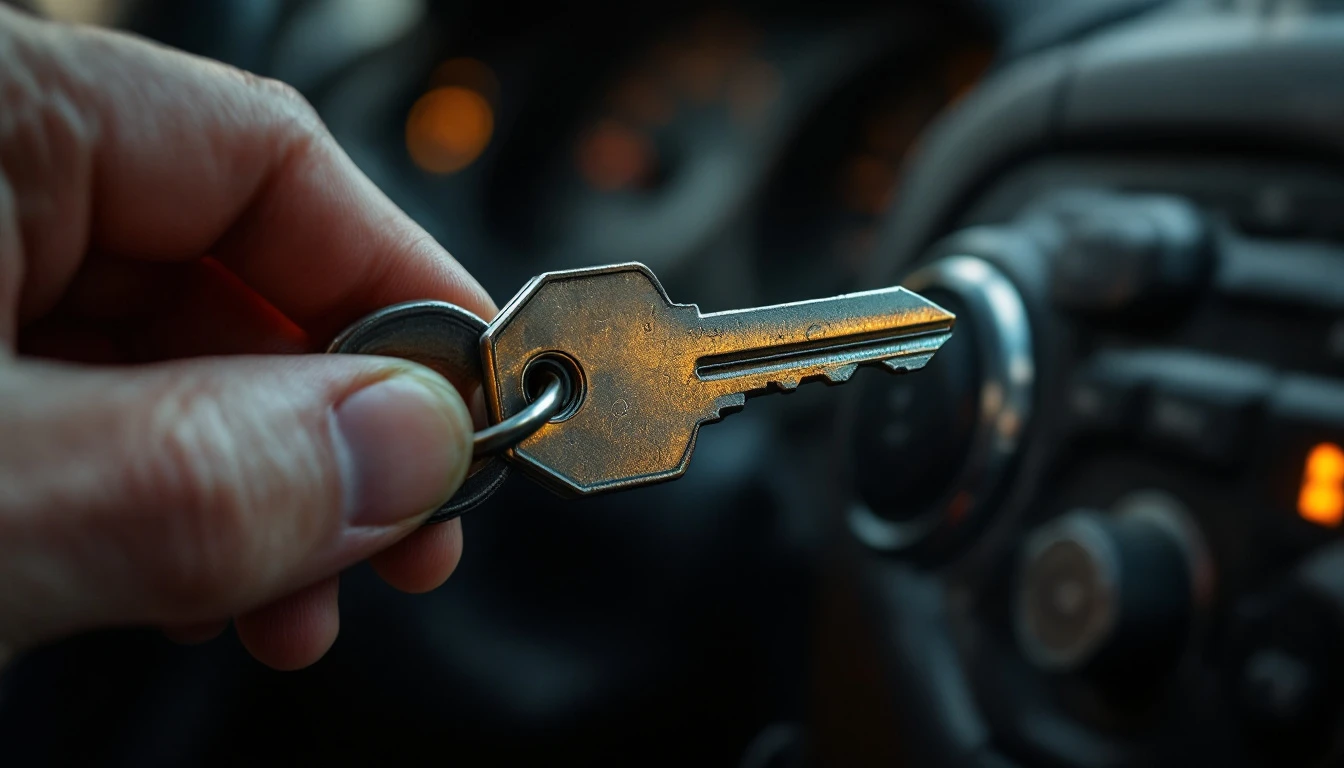
As of October 2026, a key that will not come out of the ignition is usually one of five things: the shifter is not fully in Park, the steering wheel is loaded against the lock, the vehicle battery is too weak to release the key interlock, the key is worn or bent, or the lock cylinder is failing. The first three cost nothing to fix. A cylinder repair is typically $150–$400 from a mobile specialist in Fort Worth.
A key stuck in the ignition feels like an emergency, and it is the one situation where force makes everything worse. A key snapped off in the cylinder turns a free fix into an extraction and a repair. This guide walks the causes in the order you should check them, explains why a stuck key and a key that will not turn are close cousins, and tells you where the free checks end and a call to a professional begins.
We are a mobile-only service, so if the key is still stuck after the checks below, we come to the vehicle anywhere in Fort Worth and the surrounding Tarrant County area.
Key Stuck in the Ignition: Causes, Tests and Costs
The table puts the whole diagnostic in one place. Work down it from the top; the free items come first.
| Likely cause | What you notice | Quick test | Typical cost |
|---|---|---|---|
| Shifter not fully in Park (automatic) | Key will not turn to OFF or come out | Firmly re-seat the lever in Park, press the brake, try again | Free |
| Steering wheel loaded against the lock | Key will not turn at all, wheel will not move | Wiggle the wheel left and right while turning the key gently | Free |
| Weak vehicle battery on a key-interlock design | Key stays locked in, dash is dim or dead | Check the lights and a jump start | Battery cost |
| Worn or bent key | Key sticks, needs a jiggle, looks rounded | Compare to a spare key | Key $120–$250 |
| Debris or a dirty cylinder | Key drags going in or out | Look for lint or grit on the blade | Often under a cylinder service |
| Failing lock cylinder | Intermittent sticking that gets worse | A spare key behaves the same way | Cylinder $150–$400 |
| Damaged steering column or ignition | Visible damage, key at an angle | Look for broken trim or a loose collar | Quote after diagnosis |
Only the last two rows involve parts. Most calls end in one of the first three rows, which is why the order matters.
Step 1: Check the Shifter
On an automatic, a safety interlock prevents the key from leaving the ignition unless the transmission is in Park. A shifter that looks like it is in Park but is a hair short of the detent will keep the key trapped. Press the brake, move the shifter out of Park, and push it firmly back in until it seats. Try the key again. If the car has a floor-mounted shifter, make sure nothing under the lever, such as a cup or a coin, is blocking it.
This one fix resolves more stuck-key calls than any other, and it costs nothing.
Step 2: Release the Steering Lock
When you turn the wheel and shut off the car, the steering lock can engage with a bar loaded against the wheel. The key then will not turn because the lock is bound, even though the cylinder is fine. The fix is to turn the key gently in the direction it wants to go while moving the steering wheel left and right a few degrees. You should feel the bind release.
Do not use force. A key forced against a bound lock is the most common way keys snap in the cylinder. If gentle wiggling does not release it after a few tries, stop and move to the next step.
Step 3: Check the Battery
Many vehicles, including a lot of GM, Ford and Honda models from the 2000s and 2010s, release the key electronically. A small solenoid holds the key in until the vehicle confirms that it is safe to let go, and a weak battery cannot power it. If the dash is dim, the dome light is weak or the vehicle clicks when you try to start it, the battery is the likely culprit.
Jump-start the vehicle or charge the battery, then try the key again. If the key releases after power is restored, you have found the cause. A battery that was weak enough to trap the key is also a battery to replace soon, because low voltage can trigger other module problems; see our guide to a car acting up after a dead battery or jump start.
Step 4: Look at the Key Itself
Take the key out of the picture, if you can. If a spare opens the cylinder and releases cleanly, your original key is the problem. Look for:
- Rounded or shiny edges. Worn cuts lift the wafers unevenly, so the cylinder binds on the way out.
- A bent blade. A key that has been used as a pry bar or sat in a pocket under load can flex enough to jam.
- Cracks near the head. A cracked key can twist in the cylinder and wedge.
- A copy of a copy. Each duplicate drifts a little from the factory cuts. A key several generations from the original is frequently the cause of sticking in an otherwise good lock.
A fresh key cut to the factory code and programmed to the vehicle is the answer here. A new transponder key is typically $120–$250 on most chipped-key vehicles. If it is your only key, read our guide on what to do when your only key is worn and failing, because losing it altogether is a more expensive job than replacing it early.
Step 5: Inspect the Cylinder
If the key is fine and the checks above did not help, the lock cylinder itself is suspect. A cylinder wears from the inside: brass wafers lose their edges, springs weaken and the bore collects wear debris. The early signs are a key that needs a wiggle to go in or come out, then a key that sticks in the OFF position, then a key that will not turn at all.
Look for lint, grit or a broken piece of an earlier key in the keyway. A flashlight is enough to see the face of the cylinder.
A worn cylinder can usually be rebuilt with new wafers and re-keyed to your existing key, which is the lowest-cost path at $150–$400 for most vehicles. If the housing is cracked or the vehicle is a theft-attempt victim, the cylinder is replaced rather than rebuilt. Our ignition repair versus replacement cost guide lays out how each of those is decided, and our ignition repair service page describes the work.
What Not to Do
- Do not pull hard on the key. Pulling can bend it or snap it at the shoulder. A broken piece in the cylinder is a different, more expensive job.
- Do not spray oily lubricant into the cylinder. Oils attract dust and gum up the wafers. If you lubricate at all, use a dry graphite or a lock-specific dry lubricant and use it sparingly.
- Do not hammer, pry or use pliers on the key. The ignition is a precision part, and the steering column behind it is expensive.
- Do not take the column apart yourself unless you know what is behind it. On vehicles with airbags, the steering column area includes the clockspring and airbag wiring.
- Do not hot-wire or bypass. A bypassed ignition leaves the vehicle effectively unlocked, defeats the steering lock and can complicate an insurance claim.
Stuck Key by Vehicle Type
The same symptom has slightly different usual suspects depending on what you drive.
Chevrolet and GMC. A key that will not come out is often the shifter interlock or a weak battery, then worn cylinder wafers. Our Chevy and GMC ignition switch repair guide covers the next steps.
Ford. Steering lock bind and worn cylinders are common; some vehicles also need the shifter fully seated. See our Ford ignition lock cylinder repair guide.
Honda and Acura. Honda ignitions are known for worn cylinders and worn keys on older vehicles, and many Hondas use a key interlock tied to Park. Our Honda key replacement and programming guide explains the key side.
Hyundai and Kia. Turn-key models from roughly the early 2010s to the early 2020s are theft targets, and a damaged cylinder or column from an attempt can leave the key stuck. See our Hyundai and Kia ignition repair after a theft attempt guide and the related Hyundai and Kia key programming guide.
Push-button vehicles. There is no key to get stuck. If the fob will not release from a slot-style fob holder or the vehicle will not shut down, the cause is a battery, a fob or a module, and the diagnostic is different; see our push-button start diagnostic.
When a Stuck Key Is Also a Security Problem
On a vehicle with an immobilizer, a key that is physically stuck and a key the vehicle does not recognize are two different problems that can look alike. If the key turns but the dash flashes a security light, the cylinder is probably fine and the problem is on the programming side; our immobilizer and all-keys-lost guide covers it. If the ignition was just replaced and the car cranks and dies, a security relearn is the likely missing step, which is also covered in the ignition replaced but won't start guide.
Realistic Cost Summary
- Shifter, steering lock, battery: free, or the cost of a battery.
- New key cut and programmed: typically $120–$250 on most chipped-key vehicles.
- Cylinder rebuild or replacement, re-keyed to your key: typically $150–$400.
- Damaged column or complex ignition work: quoted after diagnosis.
- A broken key in the cylinder: extraction plus the repair, quoted after inspection.
For comparison, a dealership adds a tow, a day or more in the shop, and bay labor of roughly $165–$215 per hour before parts.
When to Call a Professional
Call us if the key is still stuck after the shifter, steering wheel and battery checks, if the key is bent or cracked, if there is visible damage around the ignition, or if a piece of key is in the cylinder. Tell us the year, make and model and what the key does: sticks going out, will not turn, or turns with the car dead. We can usually say on the phone which row of the table you are in, and most repairs are finished on site in one visit without a tow. Fort Worth Locksmith & Computer Programming is mobile-only and available 24/7 at (817) 668-3801, or use the contact page.
Frequently Asked Questions
Why won't my key come out of the ignition?
The most common reasons are a shifter that is not fully in Park, a steering wheel loaded against the lock, a weak battery on a vehicle with an electronic key interlock, a worn or bent key, or a failing lock cylinder. Check the shifter, wiggle the steering wheel gently while turning the key, and test the battery before anything else. Those three checks cost nothing.
Can a dead battery keep the key stuck in the ignition?
Yes, on many vehicles. Some designs release the key with a small solenoid that needs power, so a weak battery can keep the key locked in. Jump-starting or charging the battery usually releases it. If the key releases after power is restored, the battery was the cause and should be tested or replaced soon.
How much does it cost to fix a key stuck in the ignition?
It depends on the cause. A shifter, steering lock or battery fix costs little or nothing. As of October 2026 a new transponder key is typically $120 to $250, and a lock cylinder repair or replacement is typically $150 to $400 from a mobile specialist in Fort Worth. A broken key in the cylinder or a damaged column is quoted after inspection.
Is it safe to force a stuck key out?
No. Pulling or prying can bend the key, snap it in the cylinder, or damage the steering column behind the ignition. A key broken inside the lock turns a free or low-cost fix into an extraction plus a repair. If gentle checks do not release it, stop and call for help.
Will a locksmith have to replace my whole ignition?
Often not. A worn lock cylinder can usually be rebuilt with new wafers and re-keyed to your existing key, which is the least expensive repair. Replacement is needed when the housing is cracked or damaged, for example after a theft attempt. We inspect first and tell you which applies before doing the work.
Why does my key only stick sometimes?
Intermittent sticking usually points to a worn key or worn cylinder wafers, and it tends to get worse with time. Try a spare key; if the spare works smoothly, replace the worn original. If both keys stick, the cylinder is wearing out, and repairing it early is cheaper than waiting until it leaves you stranded.
Can you come to me if my key is stuck?
Yes. We are a mobile-only automotive service and travel to the vehicle anywhere in Fort Worth and the surrounding area, 24 hours a day. Most stuck-key repairs are completed on site in one visit, with no tow required.