Dodge, Jeep, Ram Security Light Flashing, Starts Then Dies (2026)
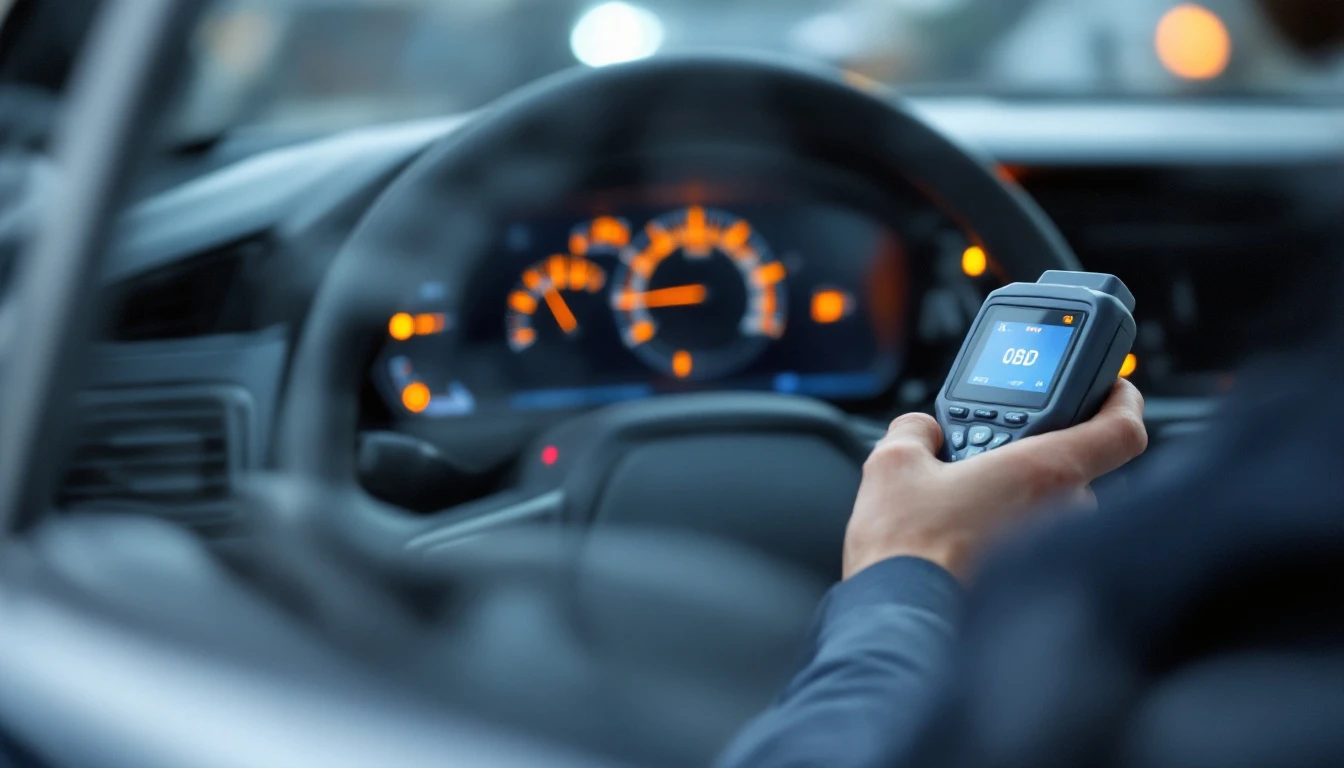
As of October 2026, a Dodge, Ram, Jeep or Chrysler that starts for a second or two and then shuts off with a flashing security light is usually refusing the key, not failing mechanically. The likely causes, in order: an unregistered or weak-signal key, a low battery, a security-network fault such as the key-reader module or keyless hub, or an engine module that no longer matches the vehicle. Diagnosis comes before any programming.
It is one of the most recognizable Chrysler-family symptoms: you turn the key or press the button, the engine fires, runs briefly, and dies. A small key- or lock-shaped warning light on the dash blinks, sometimes for the whole time the vehicle is off. Owners often assume a fuel or sensor problem and start replacing parts. The engine is usually healthy. The vehicle has decided something in its security conversation did not add up and cut the engine. This guide explains what the vehicle checked, how to find which part of the conversation failed, and what each result usually costs.
We are a mobile-only service, so the diagnosis and most repairs happen where the vehicle is parked, anywhere in Fort Worth and the surrounding Tarrant County area.
What the Vehicle Is Actually Checking
On most Chrysler-family vehicles, starting is a short exchange between modules. The key (or fob) presents a coded transponder signal. A reader, which is a Sentry Key Immobilizer Module on many older vehicles or a wireless ignition node or radio-frequency hub on newer ones, validates it. That module then tells the engine module that the key is good. If the engine module hears the right answer, it keeps fuel and spark running. If it does not, it allows the engine to fire briefly and then shuts it off and flashes the security indicator.
That brief run-and-die behavior is a clue in itself. It means the starter, the battery and the basic engine hardware worked well enough to start. The failure is in the authorization. Our Mopar SKIM, WIN and PCM programming guide explains the modules in more depth.
Flashing Security Light: Cause, Clue and Typical Cost
The table puts the diagnostic order in one place. Start at the top: the cheap, common items come first.
| Likely cause | Clue | Quick test | Typical cost |
|---|---|---|---|
| Weak fob battery or poor signal | Fob buttons work weakly, fails at certain times | Use the backup slot or a spare key | Battery only |
| Key never fully registered, or deleted earlier | Spare works, one key does not | Try every key you have | Key $120–$250 |
| Low or failing vehicle battery | Dim lights, slow crank, dash warnings | Load-test the battery | Battery cost |
| Damaged or unplugged key reader or keyless hub | Security light fails to turn off, no key response | Scan for communication faults | Quote after diagnosis |
| Engine module no longer matches the vehicle | Recently replaced or used module, light flashes at once | Scan for VIN or key mismatch | $150–$500 programming |
| Used module not re-VINned | Light flashes after installing a salvage module | Check the module's stored identity | $325–$1,200 |
| Body control module fault | Multiple dash warnings or lock/lights faults | Scan for body module codes | $150–$350 programming |
| Aftermarket remote start or alarm | Problem began after an install | Disconnect the aftermarket unit and retest | Install repair |
The "typical cost" figures are the same bands we use across the site, and any of them can move once a scan shows the real fault.
Step 1: Try Every Key
Most flashing-light calls start here. If you have more than one key, try each. If one key starts the vehicle and another does not, the second key is the problem, not the car. Common reasons:
- A weak or dead fob battery. On keyless models the vehicle reads the fob wirelessly, and a weak battery fails the handshake.
- A key that was never registered. A copy cut at a hardware store opens the door but has no usable chip. See our guide to what a mechanical copy does and does not do.
- A key deleted earlier. Some module replacements wipe the key list, and a key that worked last month may have been removed.
If a spare fixes the symptom, you have a key problem priced at $120–$250 for a transponder key and $250–$650+ for a proximity fob. See our Chrysler, Dodge and Jeep key replacement cost guide.
Step 2: Test the Vehicle Battery
A low battery causes more security-light problems than most owners expect. When voltage sags during cranking, the modules can restart mid-sequence, miss the handshake and cut the engine. A battery can still turn the engine over and be too weak for the electronics.
Load-test the battery, or have a shop do it. Replace it if it fails. A battery that has been jump-started repeatedly may have upset module settings; see our guide to a car acting up after a dead battery or jump start.
Step 3: Think About What Changed Recently
The best diagnostic question is "what was different the day it started?" Common answers:
- A module was replaced. A new, remanufactured or used engine module installed without programming will fail the exchange. Used modules carry another vehicle's identity until they are re-VINned.
- A key was lost, copied or added. The key list may have changed.
- The battery went dead or was replaced.
- A remote starter or alarm was installed. Aftermarket units are a well-known cause of security-network trouble on this platform. A bypass module wired incorrectly can interfere with the transponder signal.
- A collision or theft attempt. The key reader, the keyless hub or the wiring may have been damaged.
- Water in the cabin or at the firewall. Corroded connectors can drop the signal between modules.
If the car was fine until one of those events, that event is your lead. Our new module installed but the car still won't start guide covers the module-replacement case in detail.
Step 4: Scan for Security and Communication Codes
A proper scan reads codes from the engine, body, key-reader and keyless modules, not just the engine computer. What we look for:
- Key-reader or keyless-hub communication faults. The module is not answering, so the engine never gets an authorization.
- VIN or configuration mismatch codes. The engine module does not match the rest of the vehicle.
- Key-count or key-validity codes. The vehicle does not see a valid key.
- Network-wide communication faults. Several modules offline together point at power, ground or a data-line problem, not at any one module. See our dead module communication guide.
If the scan tool will not connect at all, the diagnostic port or a network fault is the first problem; our scan tool won't connect guide covers it. On 2018-and-newer vehicles a secure gateway guards the port, which limits what an ordinary scan can read or change. See our secure gateway programming guide.
The Fixes, in Order of Cost
- Replace a fob battery or use a different key. Nearly free.
- Replace a weak vehicle battery. The price of the battery.
- Register or add a key. $120–$250 for a transponder key, $250–$650+ for a push-button fob.
- Program the engine module to the vehicle. $150–$500, depending on the module and vehicle.
- Program a used module to your VIN. $325–$1,200, depending on complexity.
- Program or repair the body module. $150–$350 for programming; a damaged module is quoted.
- Repair damaged wiring, a key reader or a keyless hub. Quote after diagnosis.
See our Dodge, Ram and Jeep module programming cost guide for how those module jobs are priced.
What Not to Do
- Do not try to bypass the immobilizer. Online "security bypass" modules and tuner tricks can leave the vehicle drivable and unprotected, and they can interfere with the modules you are trying to repair.
- Do not keep cranking. Repeated attempts drain the battery and can set additional codes that make the diagnosis harder.
- Do not unplug modules to see what happens. Pulling connectors on a vehicle that is mid-fault can set communication codes that were not there before.
- Do not buy a replacement module before the diagnosis. A security-light fault is much more often a key, a battery or a reader than the engine module. The module is the most expensive guess.
- Do not trust a generic "reset" video. A battery disconnect or a key-cycle routine can occasionally clear a stuck state, but it will not fix a missing key or a mismatched module.
Five-Minute Checklist Before You Call
If you want to narrow it down yourself before a visit, this is the short version. Try every key and write down which ones start the engine. Note whether the security light flashes with the key out of the ignition or only after the engine dies. Check whether the dash and dome lights look dim during cranking. Write down anything that changed in the last month: a battery, a module, a remote starter, a collision, a key copy. Take a photo of the dash while the light is flashing. With those five facts we can usually say whether you are looking at a key, a battery or a programming visit, and give a price range on the phone.
Honest Limits
Late-model vehicles with a secure gateway can require an authorized session for programming, and not every case is possible in a driveway. A module that is physically damaged may need repair first. A salvage module that came from a donor with its own security lock may not be reusable at any price. We tell you which situation you are in before we take the job, and we would rather say "this module is not worth programming" than collect a fee for a part that will not work. For the wider picture of what independent specialists can do, read our explainer on whether a locksmith can program an ECM or PCM.
When to Call a Professional
Call when every key you have fails, when the symptom began after a module replacement, a collision or an aftermarket install, or when a scan shows key-reader, keyless or VIN-mismatch codes. Tell us the year, model, what changed recently and how the dash behaves. We can usually tell you on the phone whether the next step is a key, a battery or a programming visit. Fort Worth Locksmith & Computer Programming is mobile-only and available 24/7 at (817) 668-3801, or use the contact page. The service is described on our Dodge and Chrysler WIN module page.
Frequently Asked Questions
Why does my Dodge, Jeep or Ram start and then die with a flashing security light?
The engine started, so the starter and basic engine are working. The vehicle then failed its security check, so the engine module shut the engine down and flashed the light. Common causes are a key the vehicle does not recognize, a weak vehicle or fob battery, a key-reader or keyless-hub fault, or an engine module that does not match the vehicle.
Is the flashing security light always a bad key?
No. A bad or unregistered key is the most common cause, so try every key first. But a low vehicle battery, a recently replaced engine module, an aftermarket remote start, or a damaged key reader can all cause the same symptom. A scan of the security and communication modules separates them.
How much does it cost to fix a Chrysler-family security light problem?
As of October 2026, it ranges from nothing for a fob battery to $120 to $250 for a new transponder key, $150 to $500 for engine module programming, and $325 to $1,200 to program a used engine module to your VIN. Body module programming is $150 to $350. Damaged readers or wiring are quoted after diagnosis.
Can a new or used engine computer cause this?
Yes. A new or used module installed without programming does not match the vehicle's identity or key data, so the exchange fails and the engine shuts off. Used modules carry another vehicle's identity until they are re-VINned to yours. Check compatibility before buying a module, and plan for programming after installing it.
Will disconnecting the battery reset the security light?
Occasionally a battery disconnect clears a stuck state, but it will not fix a missing key, a mismatched module or a failed reader. If the light returns, the cause is real. Do not repeat it more than once, because repeated cycling and cranking can drain the battery and set new codes.
Does an aftermarket remote starter cause the security light to flash?
It can. Aftermarket remote starters and alarms must be wired to bypass the transponder correctly, and an incorrect install can block the key signal. If the problem began after an install, disconnecting the aftermarket unit and retesting is a quick, free test.
Can you diagnose it at my location?
Yes. We are mobile-only and come to the vehicle anywhere in Fort Worth and the surrounding area, 24 hours a day. We scan the security modules, test the battery and keys, and tell you the cause and price before any programming or parts.