Hyundai and Kia Ignition Repair After a Theft Attempt (2011–2021)
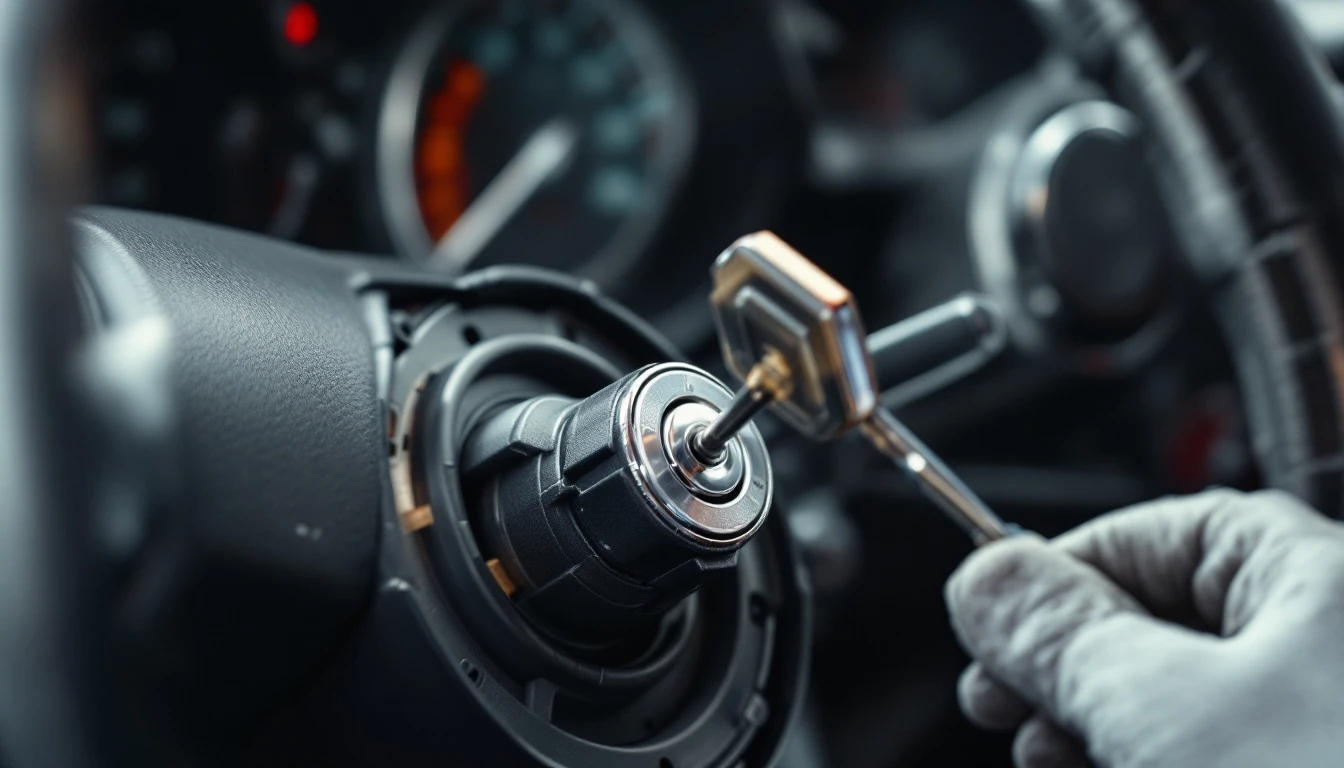
If someone tried to steal your turn-key Hyundai or Kia, the damage is nearly always the same: a broken lower steering column shroud and an ignition lock cylinder that has been forced, cracked or pulled out. As of October 2026, the ignition can usually be repaired without replacing the whole column — a new lock cylinder keyed to your existing key, a new housing where the old one cracked, and a new shroud. The repair is quoted after inspection, because the damage ranges from cosmetic to a destroyed housing and switch. Related key work runs $50–$150 for a mechanical key and $175–$300 for a remote-head key.
This guide covers which vehicles are affected, what actually breaks, how the repair is done, what the free manufacturer software update does, and how to keep it from happening twice.
Which Hyundai and Kia Vehicles Are Affected
The issue is specific. It applies to vehicles that start with a turn-key ignition and were built without an engine immobilizer — the chip-and-antenna system that stops an engine from running without a recognized key. Most other manufacturers made immobilizers standard years earlier. Hyundai and Kia left them off many lower trims in the United States through the 2021 model year.
| Configuration | Factory immobilizer | Vulnerable to this method | What applies after an attempt |
|---|---|---|---|
| Turn-key ignition, roughly 2011–2021 (some 2022), no immobilizer | No | Yes | Ignition repair, plus the free software update |
| Turn-key ignition with a factory immobilizer (some trims and years) | Yes | No | Ignition repair if the column was attacked anyway |
| Push-button start, any year | Yes | No | Not applicable to this method |
| Vehicles built from late 2021 on | Yes, standard | No | Not applicable to this method |
Nameplates commonly affected in their turn-key trims:
- Hyundai: Elantra, Sonata, Accent, Tucson, Santa Fe, Kona, Veloster, Venue
- Kia: Forte, Optima, K5, Rio, Soul, Sportage, Sorento, Sedona, Seltos
The fastest way to know whether your specific car is included is the VIN. Both manufacturers run VIN lookups for the anti-theft campaign, and you can check open recalls and campaigns at NHTSA's recall lookup. A quick practical test: if your car starts with a button, it has an immobilizer and is not affected.
What Actually Gets Damaged
Thieves attack the steering column because, on these vehicles, the lock cylinder is the only thing between them and the electrical ignition switch. We will not describe the method, but the damage it leaves is consistent.
The lower column shroud. The plastic cover beneath the steering wheel is broken off or cracked apart. This is the cosmetic part, and it is the first thing you see.
The ignition lock cylinder. The cylinder is forced, snapped or extracted. After an attempt it may spin freely, refuse to accept the key, fall out, or be missing altogether.
The lock housing. The cast housing that holds the cylinder and the steering lock bolt often cracks when the cylinder is forced. A cracked housing cannot hold a new cylinder securely and has to be replaced.
The electrical ignition switch. The switch sits behind the cylinder and is what actually powers the car. It may survive untouched, or its actuator may be broken. A damaged switch causes intermittent stalling or accessories that stay on.
The steering lock. The bolt that locks the wheel when the key is removed may be bent or jammed. A wheel that will not unlock, or that locks unexpectedly, is a safety issue.
Wiring. Connectors under the column get pulled or cut in a rushed attempt.
Away from the column, expect a broken rear quarter window or door glass and sometimes a damaged door lock. Glass and body damage is body-shop work; the column, ignition and keys are ours.
How the Ignition Is Repaired
A complete repair restores the ignition to working order and leaves you with a key situation you trust. The sequence at the vehicle:
- Inspect and document. Photograph the damage before anything is touched. Your insurer will want this.
- Assess the housing and steering lock. If the housing is cracked or the lock bolt is bent, those parts are replaced. If the column tube itself is damaged, the column needs replacement and we will say so before going further.
- Fit a new ignition lock cylinder. The cylinder is the part that accepts your key.
- Key the cylinder. If you still have your key and it was not stolen, the new cylinder is assembled to match it, so one key continues to operate the doors and the ignition. If the key is missing or compromised, the cylinder gets a new key and the door locks can be rekeyed to match.
- Test the electrical switch. Every key position — accessory, on, start — is checked. The switch is replaced if it was damaged.
- Verify the steering lock engages with the key out and releases with the key in.
- Fit the replacement shroud and confirm nothing rubs or binds when the wheel is turned lock to lock.
Most repairs are completed on site in a single visit when the parts are common. If a housing or column has to be ordered, we secure the vehicle and return.
For how ignition work is approached in general, see ignition repair versus replacement cost and our ignition repair and replacement guide.
Keys: What You Have and What You May Need
Turn-key Hyundai and Kia models without an immobilizer use one of two key styles:
- A plain mechanical key with a separate remote fob. Replacement: $50–$150.
- A remote-head or flip key with the lock and unlock buttons built in. Replacement: $175–$300.
There is no chip to program for starting on these cars, which is precisely the weakness. On models that do have an immobilizer, a transponder key runs $120–$250 and a push-button smart key runs $250–$650+.
After a theft attempt we recommend ending up with two working keys. Adding the second during the same visit carries only an incremental charge, and it is far cheaper than an all-keys-lost job later. Our Hyundai Elantra and Sonata spare key guide covers the options by model, and the wider system is explained in Hyundai and Kia key programming and immobilizers.
If the car was actually stolen and recovered, assume the keys are compromised. Rekey the doors and ignition to a new key so the old one is useless.
The Free Anti-Theft Software: What It Does and Does Not Do
In February 2023, Hyundai and Kia began rolling out a free software update for affected vehicles, announced jointly with the National Highway Traffic Safety Administration. The update:
- Requires the car to be unlocked with the key fob before the engine will start. If the vehicle was locked with the fob, turning the ignition without first pressing unlock will not start it.
- Extends the alarm from about thirty seconds to about a minute.
- Adds window decals stating the vehicle has anti-theft software, intended to discourage an attempt before the glass is broken.
Three things to understand about it:
It is installed by the dealer, not by us. The update is model-specific manufacturer software, free of charge at a Hyundai or Kia dealership. We do not install it and no independent shop legitimately can.
It does not repair anything. If your column has already been attacked, the ignition still needs to be repaired. The software only changes when the car agrees to start.
It depends on how you lock the car. The protection arms when you lock with the fob. Locking with the door button or the key blade may not arm it on some vehicles. Make locking with the fob a habit.
Some vehicles cannot accept the software. For those, the manufacturers have offered steering wheel locks and, on certain models, a reinforced ignition cylinder protector. Ask the dealer what your VIN is eligible for. NHTSA's vehicle theft prevention page has general guidance.
A decal and software do not stop someone from breaking a window and wrecking the column before they find out the car will not start. That is why repaired vehicles are sometimes hit again, and why a visible physical deterrent still matters.
What the Repair Costs in Fort Worth
As of October 2026:
- Ignition lock cylinder replacement, keyed to your key: quoted after inspection.
- Lock housing replacement where cracked: quoted after inspection.
- Electrical ignition switch replacement: quoted after inspection.
- Mechanical key: $50–$150.
- Remote-head or flip key: $175–$300.
- Transponder key on immobilizer-equipped models: $120–$250.
- Second key in the same visit: incremental charge.
- Door lock rekey to match a new ignition key: quoted with the ignition work.
We quote ignition work after seeing it because two cars with the "same" break-in can need very different repairs: one needs a cylinder and a shroud, the next needs a housing, a switch and a steering lock as well. You will have the full number before any work begins. A dealership repair typically involves a tow, bay labor at roughly $165–$215 per hour, and a wait for parts.
Insurance and Paperwork
Attempted-theft damage is generally handled under comprehensive coverage, less your deductible. Policies differ, so confirm with your insurer. What usually helps:
- A police report. File one with Fort Worth Police or the agency for the city where it happened, and keep the report number.
- Photos taken before repair of the column, the glass and any other damage.
- An itemized invoice. We list the cylinder, housing, switch, keys and labor separately.
- Proof of the software update once the dealer completes it, since some insurers ask.
We will need to see your driver's license and proof of ownership before working on the ignition. Automotive locksmiths in Texas are licensed through the Texas Department of Public Safety Private Security Bureau, and verifying ownership before defeating or replacing a lock is part of doing the job properly.
Preventing a Second Attempt
- Get the software update if your VIN is eligible, and put the decals on.
- Lock with the fob every time.
- Use a visible steering wheel lock. It is a low-tech deterrent that works because it is seen through the glass.
- Park in light and in view where you can — near a building entrance, under a lamp, in a garage.
- Do not leave a spare key in the vehicle.
- Consider an aftermarket immobilizer or alarm installed by a reputable shop. Installed correctly it adds a real starting interlock; installed badly it causes electrical faults, so choose the installer carefully.
- Keep two keys and know where both are.
When It Is Not Theft Damage
Not every Hyundai or Kia ignition problem is a break-in. A key that will not turn, a cylinder that sticks, or a car that cranks and will not start can come from ordinary wear, a worn key, or a steering wheel loaded against the lock. On immobilizer-equipped models a no-start after ignition work can be the security system; see ignition replaced, cranks but will not start. And if your only key is worn rather than the lock, read what happens when your only key is worn before paying for a cylinder.
We are a mobile service covering Fort Worth and Tarrant County, available around the clock, and we repair ignitions where the car sits so it does not need a tow. See ignition repair in Fort Worth, our ignition repair service and Hyundai key replacement.
Frequently Asked Questions
Which Hyundai and Kia models are affected by the ignition theft problem?
The vulnerability applies to turn-key Hyundai and Kia vehicles from roughly the 2011 through 2021 model years, with some 2022 models included, that were built without an engine immobilizer. Commonly affected nameplates include the Hyundai Elantra, Sonata, Accent, Tucson, Santa Fe, Kona and Veloster and the Kia Forte, Optima, Rio, Soul, Sportage, Sorento and Sedona. Versions with push-button start have an immobilizer and are not vulnerable to this method.
Can the ignition be repaired after a theft attempt, or does the whole column need replacing?
In most cases the ignition can be repaired without replacing the whole steering column. The typical job is a new ignition lock cylinder, a new or repaired lock housing if it was cracked, a replacement column shroud, and a check of the electrical ignition switch behind the cylinder. A full column is needed only when the column itself or its steering lock mechanism was bent or broken.
Will I need new keys after the ignition is replaced?
Not necessarily. A new ignition cylinder can usually be keyed to match your existing key, so one key still works the doors and the ignition. If your key was stolen or you no longer have it, the cylinder is fitted with a new key and the door locks can be rekeyed to match so the old key no longer works.
How much does Hyundai or Kia ignition repair cost after a theft attempt?
Ignition cylinder and housing repair is quoted after inspection because theft damage varies from a broken shroud to a destroyed housing and switch. As of October 2026 the related key work runs $50 to $150 for a plain mechanical key, $175 to $300 for a remote-head key and $120 to $250 for a transponder chip key on models that have an immobilizer. Body shop repairs for broken glass or door locks are separate.
Does the free anti-theft software update fix a damaged ignition?
No. The software update is a deterrent, not a repair. It changes the vehicle logic so the engine will not start unless the car was unlocked with the key fob, and it lengthens the alarm. It does not repair a broken cylinder, housing or column shroud. The physical damage has to be repaired separately, and the software is installed by a Hyundai or Kia dealer at no charge on eligible vehicles.
Is my car safe to drive with a damaged ignition after a break-in?
Usually not. A forced ignition can leave the steering lock partly engaged, the electrical switch damaged, or the cylinder loose enough to turn off while driving. Exposed wiring under a broken shroud is also a short-circuit risk. If the column was attacked, have the ignition inspected before driving the vehicle any distance.
Will insurance cover ignition repair after an attempted theft?
Attempted-theft damage is generally a comprehensive coverage claim, subject to your deductible. Coverage and requirements vary by policy, so ask your insurer what documentation they need. A police report number and photos of the damage taken before repairs are the usual starting point, and we provide an itemized invoice for the ignition and key work.
Hyundai or Kia ignition damaged in a theft attempt in Fort Worth or Tarrant County? Call or text (817) 668-3801 with the year, model and a photo of the column, and we will tell you what the repair involves.