Ford Ignition Lock Cylinder Repair in Fort Worth — Key Won't Turn
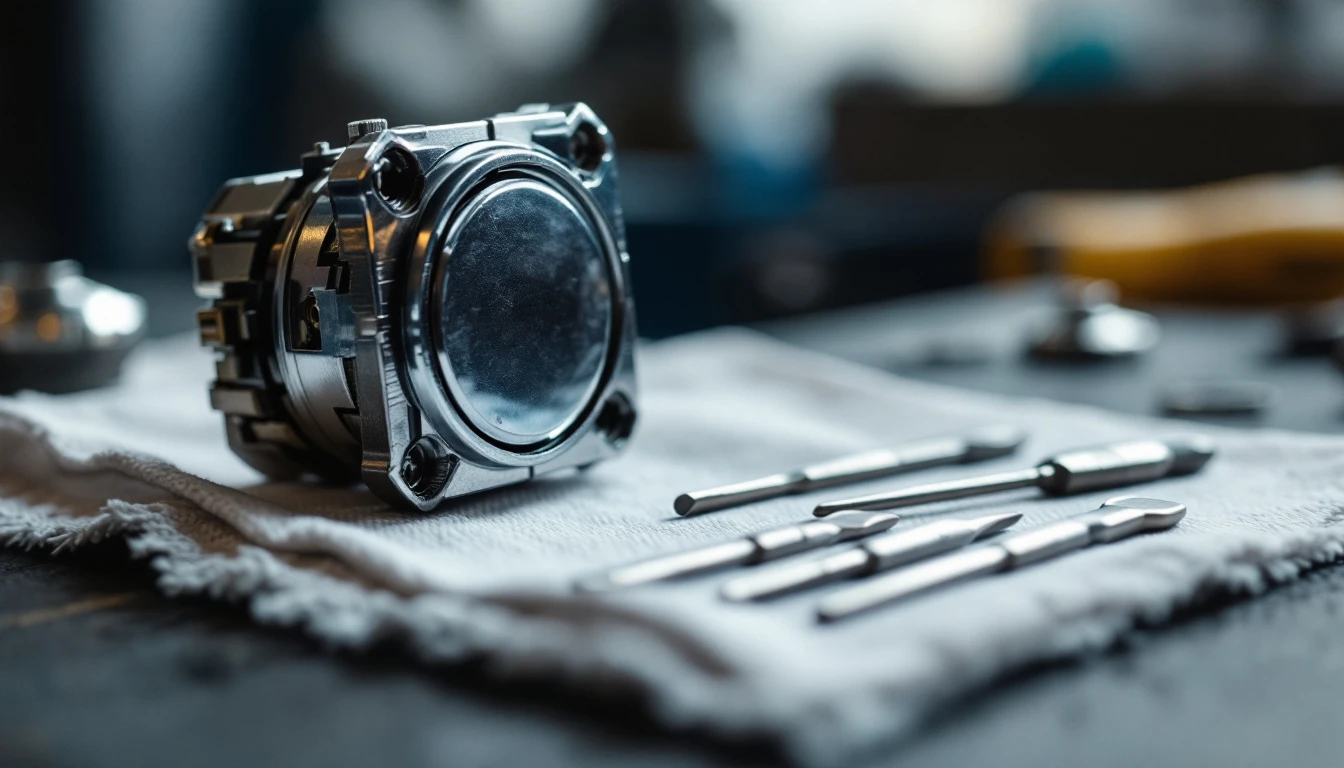
If you drive a Ford in Fort Worth, there is a good chance you will eventually meet one of the brand's most familiar frustrations: the key that will not turn. You slide the key into your F-150's ignition, twist, and nothing — it binds, catches halfway, or refuses to move at all. The worn Ford ignition lock cylinder is one of the most common ignition failures we handle across Tarrant County, and while it is genuinely annoying, it is almost always a repairable mechanical problem rather than a catastrophe.
This 2026 guide explains why the Ford ignition lock cylinder fails so predictably, how to tell a cylinder repair from a full switch replacement, what PATS is and when a relearn is needed after ignition work, and the realistic mobile-locksmith pricing for each. It covers the models we see most: F-150, Explorer, Escape, Fusion, and Mustang. Booking ignition repair starts on our main service page, but the diagnostic detail below is where the "why won't my key turn" question actually gets answered.
Why the Ford Ignition Lock Cylinder Fails
The Ford ignition lock cylinder is a known wear item, and understanding why helps you understand the fix.
Worn wafers and a worn key
Inside the ignition lock cylinder is a stack of small spring-loaded wafers. The cut of your key lifts each wafer to exactly the right height so the cylinder can rotate and start the vehicle. Every single start cycles those wafers against the key, and over years of daily use both the wafers and the key wear down. Eventually the worn key can no longer lift the worn wafers into clean alignment, and the cylinder binds. This is the heart of the classic Ford key-won't-turn failure, and it is why the problem tends to arrive gradually — a little stiffness, then catching, then a key that will not turn at all. It is very repairable.
A bound or worn actuator
Behind the cylinder is the actuator that transfers your key's rotation into the switch action that powers the vehicle. On higher-mileage Fords this part can wear or bind, making the key feel stiff or catch even when the wafers are not the whole story. It often shows up alongside cylinder wear, since both come from the same years of use.
Steering-lock bind
A very common and harmless cause of a key that will not turn is a steering-wheel bind against the steering lock. If you parked with the wheels turned hard against a curb or under load, the lock pin binds and the key cannot rotate. Gently rocking the steering wheel back and forth while trying the key usually frees it. It is always worth ruling this out before assuming the cylinder has failed.
A worn or damaged key
Sometimes the cylinder is fine and the key itself is the problem — worn smooth, bent, or a poorly cut copy that never quite fit. In those cases a freshly cut key can restore clean operation without touching the cylinder, which is one reason diagnosis comes first.
Repair vs Replacement: How We Decide
The most valuable thing a good locksmith does on a Ford ignition is find the smallest fix that truly solves the problem. Not every stiff key needs a whole new switch, and not every bind needs a new cylinder.
When the fault is worn wafers or a worn cylinder, the fix is usually to repair or replace just the lock cylinder and re-key it to match your existing key, so you keep your same keys and skip any programming. That is the common, affordable case. When the actuator is worn, it gets addressed with the cylinder. Only when the failure runs deeper — a damaged switch or a steering-column issue behind the lock housing — does the job move into more involved territory that must be quoted after diagnosis, because the labor varies so much by model and condition.
The honest framing: cylinder repair or replacement is a defined, priced job. Complex or steering-column work is quote-after-diagnosis, because a tech has to confirm your exact setup and condition first. We never sell a full column repair when a cylinder swap will do. Our automotive locksmith page covers the broader range of on-site work, and the Ford keys page has make-specific detail.
PATS and When a Relearn Is Needed
Here is the piece that surprises many Ford owners after ignition work: PATS. PATS stands for Passive Anti-Theft System — Ford's immobilizer, which checks that your key carries an authorized chip before it lets the engine run. It is the electronic layer sitting on top of the mechanical lock.
Whether ignition work triggers a PATS relearn depends on the key. If the cylinder repair keeps your existing key — because the new cylinder is re-keyed to match it — then the chip in your key is unchanged, and a key relearn is often not needed. But if the repair requires a new coded key (for example, because the old key is too worn or the cylinder cannot be re-keyed to it), then that new key's chip has to be enrolled through a PATS relearn so the vehicle accepts it and starts. A locksmith who works Fords handles that relearn as part of the job, so you are not left with a fresh key the immobilizer refuses to recognize.
This is one of the main reasons to have Ford ignition work done by someone who knows Ford security rather than a general shop that swaps the cylinder and hands you a key that will not start the car. Our transponder key programming service handles Ford coded keys, and when the immobilizer or a related module is the real story, that falls under module programming.
Ford Models We See Most
The Ford ignition lock cylinder is a broad-lineup wear item, but a few models fill our schedule.
F-150. America's best-selling truck is also one of the most common ignition-repair calls in Fort Worth. High-mileage F-150s wear their cylinders on the same gradual timeline — stiffness, then catching, then a key that will not turn. Because they are re-keyed to the existing key on repair, owners usually keep their same keys.
Explorer and Escape. Ford's SUVs rack up daily family and commuter miles, and their ignition cylinders wear the same way. The repair path mirrors the truck — repair or replace the cylinder, re-key to the existing key, and PATS relearn only if a new coded key is required.
Fusion and Mustang. The Fusion sedan and the Mustang both show up regularly for cylinder wear. On any of these, the fix is the same defined cylinder job when the wafers are the cause, with the deeper column work reserved for the cases that genuinely need it.
High mileage and a worn key accelerate the failure on any of them, so a Ford that has started to feel "notchy" in the ignition is worth addressing before the key gets stuck for good.
Dealer vs Mobile Locksmith: Ford Ignition Pricing
As of July 2026, here is how Ford ignition lock cylinder repair costs break down. Everything below is a range, because the exact model, the part condition, and whether a new coded key and PATS relearn are needed all move the number.
| Ford ignition service | Mobile locksmith | Ford dealer | Notes |
|---|---|---|---|
| Lock cylinder repair or replace (re-keyed to your key) | $150–$400 | roughly 1.4–2× | Most common fix |
| Cylinder replace + new coded key + PATS relearn | $150–$400 + key $120–$250 | higher | Only if re-key isn't possible |
| Complex / steering-column ignition work | quote after diagnosis | higher + possible tow | Labor varies by model |
| Freshly cut key (cylinder is fine) | lower end | higher | When the key is the fault |
| Steering-lock bind (no parts) | minimal / diagnostic | n/a | Often a free-turn fix |
Two things stand out. First, dealer pricing on the same work runs notably higher — commonly 1.4 to 2 times mobile pricing — because the dealership adds a bay-rate hourly labor charge (DFW dealers typically bill in the $165 to $215 per hour range, in 1.5 to 2 hour increments) plus the cost of getting a no-start vehicle to the service drive. Second, the mobile advantage is biggest on trucks and SUVs where a tow stacks on top of the hourly. A mobile tech does the cylinder repair, cuts any needed key, and runs the PATS relearn in your driveway — no tow.
What Happens During a Ford Ignition Repair Visit
A Ford ignition repair begins with diagnosis, because the fix depends on the cause. The tech confirms whether the key will not turn due to a worn cylinder, a bound actuator, a steering-lock bind, or simply a worn key. If it is a worn cylinder, the tech repairs or replaces it and re-keys it to your existing key where possible; if a new coded key is required, the tech cuts and programs it and runs the PATS relearn so the vehicle starts. Before leaving, the tech verifies the key turns smoothly, the engine starts, and no security warning remains.
Because we are mobile-only, most of this happens wherever your Ford is parked — your home near the Stockyards, a lot downtown, or a driveway in Grapevine. There is no tow to arrange for a standard cylinder job. Deeper steering-column repairs may need extra time, which the tech confirms after diagnosis. If your Ford is elsewhere in the metroplex, our Fort Worth, Arlington, and Grapevine service areas cover most of Tarrant County.
When Ignition Trouble Is Really a Key or Module Problem
Occasionally what feels like an ignition problem is actually a key or module issue, and the difference changes the fix. If the key turns fine but the engine cranks and dies, or a theft light flashes, the culprit may be PATS, the immobilizer, or the Body Control Module rather than the cylinder. And a growing number of Ford owners want to add convenience features once the ignition is sorted.
For the security-module side, our guide on Ford BCM programming and SecuriLock covers how Ford's anti-theft modules work and when module programming — not a cylinder — is the real fix. And if you are thinking about adding remote start once your key and ignition are healthy, the add remote start module programming guide explains that option. On the very newest Ford platforms, the honest answer for unusual security cases is always that a tech confirms your exact setup, with anything unpriced quoted after diagnosis.
The Bottom Line for Ford Owners in Fort Worth
A Ford key that will not turn is almost always a repairable problem — most often a worn ignition lock cylinder — not a reason to panic. The right move is a proper diagnosis so you pay for the smallest fix that solves it: a cylinder repair re-keyed to your existing key when possible, a new coded key with a PATS relearn only when it is truly needed, and a quote after diagnosis for the deeper column cases. Do not wait for a stiff key to snap off in the ignition.
We handle F-150, Explorer, Escape, Fusion, and Mustang ignition work on-site across Tarrant County every week, re-keying to your existing key where we can and running the PATS relearn when a new key is required. Describe the symptom, and we will bring the right diagnosis and repair to you.
Frequently Asked Questions
Why won't my Ford key turn in the ignition?
The most common cause is a worn ignition lock cylinder — the wafers inside and the key wear until the key can no longer turn cleanly. A bound actuator, a worn key, or a steering-lock bind can also be the culprit. A tech confirms which it is on-site before replacing anything.
How much does Ford ignition lock cylinder repair cost in Fort Worth?
Lock cylinder repair or replacement typically runs $150 to $400. Complex or steering-column work is quoted after diagnosis, since the labor varies by model and condition.
What is PATS and do I need a relearn after ignition work?
PATS is Ford's Passive Anti-Theft System, the immobilizer that checks your key's chip. If ignition work requires a new coded key, PATS needs a relearn so the vehicle accepts it. When a new cylinder is re-keyed to your existing key, a key relearn is often not needed.
Can you repair the Ford ignition without replacing the whole switch?
Often yes. If only the lock cylinder or its wafers are worn, we repair or replace just that part and re-key it to your current key. Full switch or column work is only recommended when the cylinder fix will not solve the fault.
Do you come to me for Ford ignition repair?
Yes. We are mobile-only across Fort Worth and Tarrant County and handle most cylinder and switch work in your driveway or lot. Deeper steering-column repairs may need extra time, which we confirm after diagnosis.
Will I need a new key after Ford ignition repair?
Not always. When we re-key a new cylinder to match your existing key, no new key is needed. If the cylinder must be keyed differently, we cut and program a coded key and run the PATS relearn, which we confirm before starting.
Which Ford models have the most ignition lock cylinder problems?
The Ford ignition lock cylinder is a common wear item across the lineup — F-150, Explorer, Escape, Fusion, and Mustang all show up regularly. High-mileage vehicles and worn keys accelerate the failure.
Get Your Ford Ignition Fixed Today
A binding key only gets worse, and a key that snaps off in the ignition turns a simple repair into a bigger job. Skip the dealer tow and the bay-rate hourly — a mobile Ford ignition specialist comes to you anywhere in Fort Worth and Tarrant County, diagnoses the real cause, and repairs the cylinder with any needed PATS relearn on-site. Call Fort Worth Locksmith & Computer Programming at (817) 668-3801 to describe the symptom and get a fair range.
Written by the Fort Worth Locksmith & Computer Programming team — mobile automotive key and programming specialists serving Fort Worth and the greater Tarrant County area.