2026 Ford BCM Programming & SecuriLock (PATS), Fort Worth
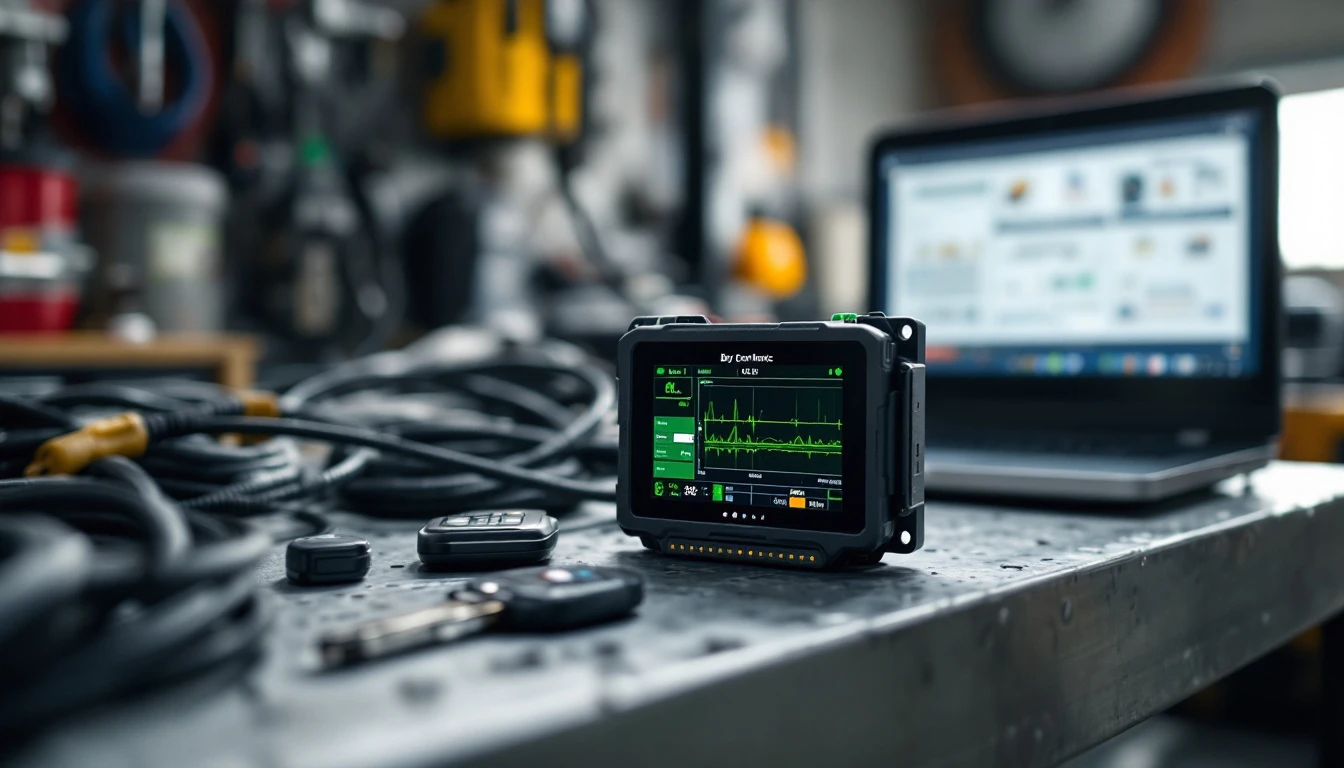
Ford routes a large share of its body-electrical logic and its anti-theft security through the Body Control Module (BCM). On modern F-150s, Explorers, Escapes, Mustangs, and Super Duty trucks, the BCM works with Ford's SecuriLock (PATS) immobilizer to decide whether the engine is allowed to run. When the BCM fails, gets replaced, or loses its immobilizer sync, the result is usually a flashing theft light and a no-start — plus a scattering of electrical faults. This 2026 guide explains how Ford BCM programming and SecuriLock work, and what a fair mobile price looks like in Fort Worth.
If your Ford is flashing a theft light, will not start, or had a BCM installed that was never programmed, our module programming and transponder key programming services handle exactly this work at your location.
What the BCM Does on a Ford
The BCM is Ford's electrical hub for the body of the vehicle. It manages exterior and interior lighting, wipers, power locks and windows, warning chimes, and a long list of comfort features. On its own that makes it important. But it also holds vehicle configuration data and participates in the SecuriLock (PATS) immobilizer handshake that authorizes the engine.
That security role is why BCM problems on a Ford are so disruptive. A BCM fault does not merely kill your dome light — it can break the immobilizer conversation and leave the truck cranking but never starting, theft light flashing.
SecuriLock / PATS Explained
SecuriLock — Ford's name for its Passive Anti-Theft System (PATS) — is the immobilizer. Each transponder or smart key carries an encrypted chip. When you turn the key or press start, a transceiver reads the chip and checks it against security data stored in the vehicle. Only a match releases the engine to run. This is why a Ford key that is cut but not programmed fits and turns but never starts the engine.
The BCM, and on many models the PCM, hold the PATS security data. So BCM work, key work, and immobilizer faults all overlap on Ford. A no-start with the theft light is almost always a PATS authorization problem, not a mechanical one.
Symptoms That Point to Ford BCM / PATS Work
Flashing Theft Light, No Start
The classic PATS signature. The engine cranks (or, on push-to-start, does nothing) and the theft or security icon flashes. The immobilizer is withholding permission. Causes include an unprogrammed key, a dead key battery, a failing transceiver ring around the ignition or start button, or a BCM/immobilizer fault. A diagnosis distinguishes these before any part is condemned.
Body-Electrical Gremlins
Random lights, wipers acting up, locks cycling on their own, chimes at the wrong time — a scattershot of body faults can signal a BCM that is failing or has corrupted configuration. These often precede or accompany a security no-start.
After a BCM Swap
Install a new or used BCM and the truck will not start and the electrics misbehave — that is expected. The module has to be configured to your VIN and options and the PATS immobilizer re-synced to your keys before it functions.
"I Got a Key and It Won't Start"
A common Ford call. A key was cut but never programmed to PATS. The physical key is fine; the chip was never registered. The fix is straightforward immobilizer programming.
How Ford BCM Programming Works
A mobile specialist connects a professional scan tool with Ford platform support to the OBD-II port and works through:
- Diagnose first. Confirm the BCM is the fault — not a dead key battery, transceiver ring, or wiring problem.
- Configure the replacement BCM to your VIN and option content.
- Re-sync PATS so your existing keys are trusted, or program new keys for all-keys-lost.
- Verify with a clean scan and a start-and-function check.
A stable power supply protects the module during writes. Many Ford key and PATS procedures require secure data derived through authorized OEM access, which legitimate providers coordinate properly rather than relying on shortcuts. For realistic timing, see our programming time guide.
Ford BCM & Key Programming: 2026 Fort Worth Pricing
As of July 2026, here are typical DFW mobile ranges. Exact pricing depends on year, model, module condition, and whether a working key exists.
| Service | Typical range | Notes |
|---|---|---|
| BCM programming / configuration | $150–$350 | Includes PATS re-sync |
| Transponder / remote-head key | $120–$250 | With a working key present |
| Push-to-start smart key | $250–$650+ | Model-dependent; complex quoted after diagnosis |
| All-keys-lost | Quote after diagnosis | Longer; secure access required |
| Used BCM reconfigure to VIN | $150–$350+ | Confirm platform support first |
Anything unusual — a locked newer platform or a case that turns out to need deeper work — is quoted after a diagnosis rather than promised off a chart. That is the honest way to price a job whose difficulty you cannot know until you read the vehicle. For a full cost breakdown, see our module programming cost guide.
Why Diagnosis Comes First
The most expensive Ford mistake we see is replacing a BCM for a problem it did not cause. A dead key battery, a corroded transceiver ring, or a chafed wire can all mimic a PATS fault. Reading the immobilizer data and stored codes before condemning any part is not upselling — it is what stops you from paying for a module you never needed. Our guide on avoiding locksmith scams covers the warning signs of shops that skip this step.
Dealer or Locksmith for Ford PATS Work?
You do not have to tow a Ford to the dealer for BCM or SecuriLock work. A mobile specialist runs the same PATS procedure with professional tools and, for all-keys-lost, secure access — at your driveway and typically for less than the dealership rate. The dealer stays the right call for warranty-covered failures and VIN-recorded software campaigns. Our dealer vs. locksmith module programming guide covers when each one wins, and our Ford key programming page covers the key side. For Ford PCM/PATS engine-module work specifically, see our Ford PATS PCM reflash guide.
Fort Worth Locksmith & Computer Programming is a mobile, 24/7 service-area business serving Fort Worth and Tarrant County. If your Ford left you stranded, our emergency lockout and car key replacement services get you moving.
Credentials and Compliance
Programming a BCM and re-syncing PATS means writing to a vehicle's anti-theft system, so legitimacy is essential. In Texas, automotive locksmiths operate under the Texas Department of Public Safety (DPS) Private Security program and a reputable specialist verifies vehicle ownership before performing any key or immobilizer work. Secure OEM access is coordinated through the National Automotive Service Task Force (NASTF), and the anti-theft standards these systems follow are published by SAE International.
Ford Models and PATS Generations
Ford's PATS immobilizer has evolved through several generations, and which one your vehicle uses affects the key type and procedure. The common vehicles we see:
- F-150 and Super Duty — Ford's best-sellers, and the trucks most often needing BCM or PATS work as they age and as work trucks rack up miles. Later models use push-to-start proximity fobs; earlier ones use transponder or remote-head keys.
- Explorer and Escape — high-volume SUVs where theft-light no-starts and BCM electrical faults are common, especially after battery or accessory work.
- Fusion and Mustang — sedans and the pony car, both PATS-equipped, with the Mustang's key type varying by generation and trim.
- Edge, Expedition, and Ranger — the rest of the lineup, all sharing the SecuriLock approach.
The practical point is that a key from the wrong PATS generation will not program, no matter the tool. A 2010 F-150 and a 2020 F-150 are entirely different key ecosystems. Confirming the exact year, model, and trim up front is what ensures you get the right key and the right procedure the first time.
Why "I Got a Key Cut" Isn't the Whole Story on a Ford
Fords are one of the most frequent sources of the "cut but not programmed" surprise. A hardware store or big-box kiosk happily cuts the metal blade to match your door, and the key turns the ignition — but SecuriLock never registered the chip, so the theft light flashes and the engine will not run. On push-to-start Fords the same thing happens with an unprogrammed fob: it might unlock the doors but the engine will not start.
The fix is simple immobilizer programming, but the lesson is worth internalizing: on any modern Ford, a cut key and a working key are two different things. The programming — registering the transponder to PATS — is what bridges the gap, and it is exactly the step a mobile specialist performs at your location across Fort Worth and Tarrant County. If a spare-key job on your Ford involves all-keys-lost, the secure access and relearn add time, which we factor into the quote up front.
Frequently Asked Questions
Does a Ford BCM need to be programmed after replacement?
Yes, on virtually all modern Fords. The BCM stores vehicle configuration and participates in the SecuriLock (PATS) immobilizer, so a replacement has to be configured to your VIN and options, then have the immobilizer re-synced to your keys. Install a BCM without programming and you typically get a no-start with the theft light, plus various body-electrical faults.
What is SecuriLock / PATS on a Ford?
SecuriLock, also known as PATS (Passive Anti-Theft System), is Ford's immobilizer. It checks the transponder chip in your key against security data stored in the vehicle before allowing the engine to run. The BCM and, on many models, the PCM hold that data, so BCM and key work both have to account for PATS or the engine stays disabled.
Why is my Ford's theft light flashing and it won't start?
A flashing theft or security light with a no-start is the classic PATS signature — the immobilizer does not recognize a valid key and is blocking the engine. Causes include an unprogrammed key, a dead key battery, a failing transceiver ring around the ignition, or a BCM/immobilizer fault. A diagnosis identifies which before any part is replaced.
Can a locksmith program a Ford BCM and keys?
Yes. A mobile specialist with Ford platform support can configure a replacement BCM, run the PATS immobilizer re-learn, and cut and program keys on site. For all-keys-lost, secure access derives the needed data. This is the same SecuriLock procedure the dealer performs, done at your location without a tow.
How much does Ford BCM or key programming cost near Fort Worth?
As of July 2026, Ford BCM programming typically runs about $150 to $350, a transponder or remote-head key about $120 to $250, and a push-to-start smart key $250 and up. All-keys-lost and used-module re-VIN work sit higher. We give an all-in quote after confirming your year, model, and whether a working key still exists.
Can a used Ford BCM be programmed to my vehicle?
Often yes on many Ford platforms, but the used BCM carries the donor vehicle's configuration and PATS data and must be reconfigured to your VIN and re-synced to your keys. Some newer platforms are more restrictive. Confirm your specific year and model is supported before buying a salvage BCM, since the immobilizer re-sync is what makes the swap work.
Do I need the dealer for Ford SecuriLock programming?
Not usually. A mobile specialist can configure the BCM and perform the PATS re-learn on most Fords without a tow, typically for less than the dealership rate. The dealer remains the right choice for warranty-covered failures and VIN-recorded software campaigns. A good specialist will tell you if your case is one of those.
Ford flashing a theft light or won't start in Fort Worth? Call or text Fort Worth Locksmith & Computer Programming at (817) 668-3801. Give us your year, model, and whether you still have a working key, and we will diagnose before replacing anything — with an all-in quote up front.