2026 ADAS Radar & Camera Module Calibration, Fort Worth
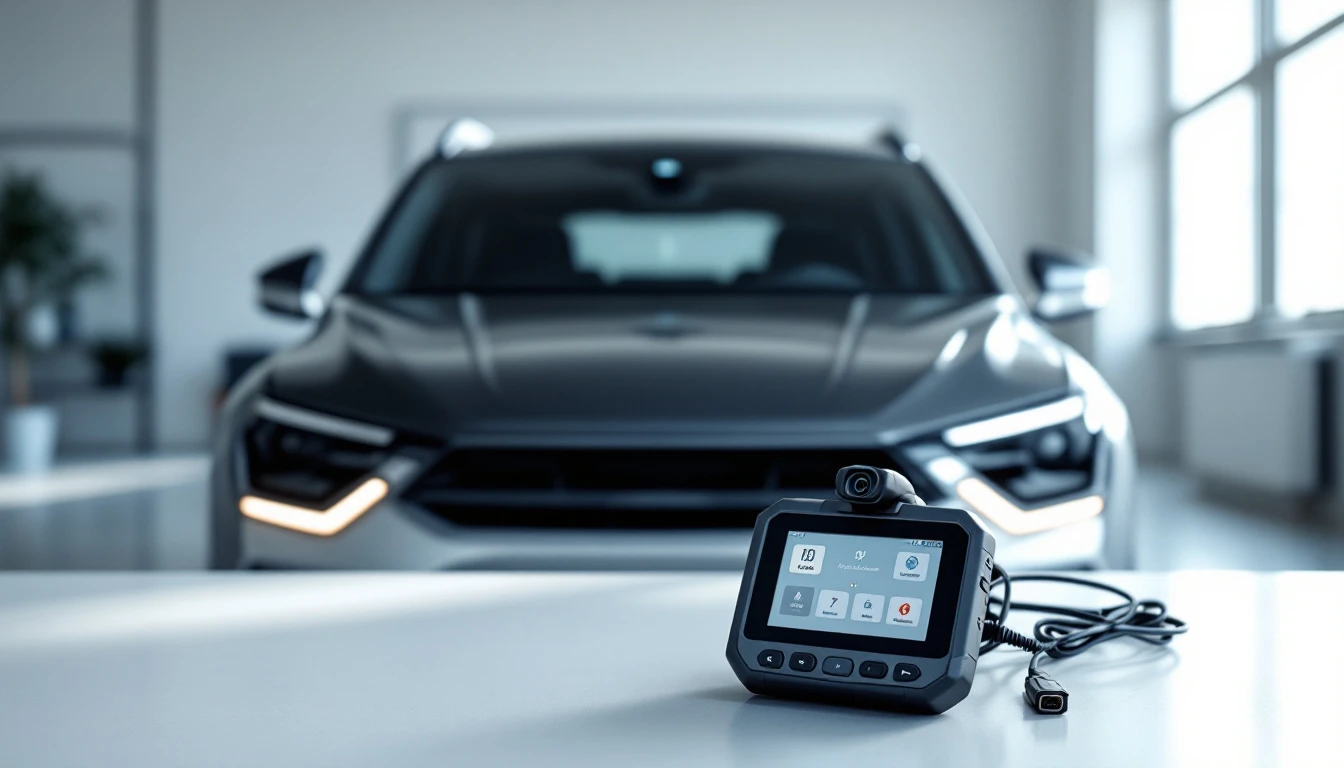
Advanced Driver Assistance Systems (ADAS) — automatic emergency braking, lane-keeping, adaptive cruise control, blind-spot monitoring — rely on radar sensors and cameras that have to aim with near-surgical precision. A forward camera behind the windshield or a radar behind the grille that is off by a fraction of a degree translates, at highway distance, into aiming at the wrong lane or the wrong vehicle. That is why manufacturers require ADAS calibration after events that move or disturb those sensors. This 2026 guide explains when calibration is needed, how it is done, and — just as important — the honest limits of what can be calibrated in a mobile setting near Fort Worth.
If a module or sensor on your vehicle was replaced and needs programming before it can be calibrated, our module programming service covers that step; the calibration method itself depends on your specific platform, which we confirm up front.
What ADAS Modules Do
Modern driver-assistance features are built on a small set of sensing modules:
- Forward radar — usually behind the front grille or bumper — measures the distance and closing speed of vehicles ahead for adaptive cruise and automatic braking.
- Windshield camera — mounted behind the rearview mirror — reads lane markings, traffic signs, and vehicles for lane-keeping, traffic-sign recognition, and forward-collision warning.
- Corner and blind-spot radars — in the rear bumper — watch the adjacent lanes.
Each of these has a precise reference: it "knows" where straight ahead is relative to the vehicle. Calibration is the process of re-establishing that reference so the sensor's aim matches reality. When the reference is wrong, the whole safety feature is wrong.
When a Vehicle Needs ADAS Calibration
Several everyday repairs disturb these sensors enough to require recalibration:
Windshield Replacement
If your vehicle has a windshield-mounted forward camera, replacing the glass moves the camera — even a millimeter of difference in mounting changes its aim. Most manufacturers require camera recalibration after a windshield replacement. A good glass shop tells you; if yours did not, confirm it before trusting lane-keep or automatic braking.
Front Bumper, Grille, or Radar Work
The forward radar lives behind the grille or bumper. Any collision repair, bumper removal, or radar-bracket disturbance can shift its aim and mandates recalibration.
Alignment or Suspension Changes
A four-wheel alignment or a suspension repair changes the vehicle's thrust line — the direction it actually travels. Because ADAS sensors reference the vehicle's geometry, some platforms require calibration after alignment work.
Module Replacement
Replace a radar or camera module and it arrives with no calibration and, on many platforms, needs to be programmed to the vehicle first — configured and, where required, security-authorized — and then calibrated. Programming and calibration are two distinct steps; the module has to be recognized before it can be aimed.
Static vs. Dynamic Calibration — And Why It Matters
There are two calibration methods, and your vehicle's manufacturer dictates which:
- Static calibration uses manufacturer-specified targets placed at precisely measured distances and heights in front of the stationary vehicle, on level flooring with controlled lighting and clearance. It is a shop-floor procedure with strict space requirements.
- Dynamic calibration is performed by driving the vehicle at set speeds on well-marked roads so the system self-learns its references, using a scan tool to initiate and monitor the process.
Many vehicles require one, some require the other, and some require both. This is the crux of what can and cannot be done outside an equipped facility.
The Honest Limits of Mobile ADAS Work
Here is where we stay candid, because ADAS is safety-critical and overpromising is dangerous. Dynamic calibrations that need only the correct scan tool and a proper drive route can sometimes be performed mobile. Static calibrations generally cannot be faked in a driveway — they need manufacturer targets, precise measured floor space, level flooring, and controlled lighting. A responsible specialist:
- Confirms your exact vehicle and which calibration type it requires.
- Performs dynamic calibrations where the vehicle and tooling allow.
- Refers static-only jobs to a properly equipped facility rather than pretending a driveway will do.
Any provider who promises to "recalibrate any ADAS system anywhere in ten minutes" is either uninformed or cutting corners on a safety system. Our guide on avoiding locksmith and automotive scams covers exactly this kind of overpromise.
How the Programming Step Fits In
When the underlying issue is a replaced radar or camera module, programming comes first. A mobile specialist connects a professional scan tool, configures the module to the vehicle, and — on platforms with a security gateway — authenticates before writing. Only once the module is correctly programmed and recognized can calibration proceed. For related security-gateway platforms, see our FCA security-gateway guide; for realistic programming timelines, our programming time guide.
ADAS Calibration: 2026 Fort Worth Pricing
As of July 2026, ADAS calibration is a quote-after-diagnosis service, not a fixed-chart item.
| Job | Pricing basis | Notes |
|---|---|---|
| Radar / camera module programming | Per-platform quote | Config + security auth where required |
| Dynamic calibration | Quote after diagnosis | When vehicle + tooling allow mobile |
| Static calibration | Referred to equipped facility | Needs targets + measured floor space |
| Combined (program + calibrate) | Quote after diagnosis | Programming precedes calibration |
The reason ADAS is never a chart price is that the equipment and procedure differ enormously by platform — a dynamic-only vehicle and a static-required vehicle are entirely different jobs. Confirming your exact vehicle first is the only honest way to quote it.
Why This Matters for Safety
Automatic emergency braking, lane-keeping, and adaptive cruise are only as good as their aim. A camera or radar that is a fraction of a degree off can brake late, drift, or misjudge a gap. Vehicle-safety oversight — including recalls tied to driver-assistance systems — is handled by the National Highway Traffic Safety Administration (NHTSA), and the sensing and calibration standards behind these systems are published by SAE International. Treat ADAS calibration as the safety procedure it is, not a formality to skip after a windshield job.
Talk to Us First
Fort Worth Locksmith & Computer Programming is a mobile, 24/7 service-area business serving Fort Worth and Tarrant County. When ADAS is involved, the most valuable thing we do is tell you honestly what your specific vehicle needs — programming, dynamic calibration, static calibration, or a referral to an equipped facility — rather than promising a one-size fix. We handle related electronics in the same visit where possible: BCM programming, EPS steering-module work, and ECU/PCM programming.
In Texas, automotive electronics and locksmith specialists operate under the Texas Department of Public Safety (DPS) Private Security program and a reputable provider verifies vehicle ownership before any programming work.
Which Safety Features Depend on Calibration
It helps to know exactly what stops working correctly when an ADAS sensor is out of calibration, because these are the systems drivers rely on without thinking:
- Automatic Emergency Braking (AEB) — depends on the forward radar and camera judging distance and closing speed. A miscalibrated sensor can brake late, brake for a phantom, or fail to brake at all.
- Adaptive Cruise Control (ACC) — the forward radar sets your following distance. Aim it wrong and it can lock onto the wrong lane's traffic or misjudge the gap ahead.
- Lane-Keeping and Lane-Departure (LKA/LDW) — the windshield camera reads lane markings. A camera moved by a windshield swap can drift the car or nag with false warnings.
- Blind-Spot Monitoring (BSM) — the rear-corner radars watch adjacent lanes. Bumper work can shift their aim.
- Traffic-Sign Recognition and Auto High-Beam — camera-based features that degrade quietly when the camera reference is off.
The through-line: every one of these is a safety feature, and each is only as trustworthy as the calibration behind it. That is why "the light's off, it's fine" is not the same as "it's calibrated."
Coordinating With Collision and Glass Repair
Most ADAS calibration needs arise right after other work — a windshield replacement, a bumper repair, a suspension job. The cleanest outcome is when calibration is planned into that repair rather than discovered afterward. If you are scheduling glass or body work, ask the shop up front whether your vehicle needs a post-repair ADAS calibration and how it will be handled; many reputable shops coordinate it, but not all do, and an uncalibrated forward camera after a windshield swap is a genuine safety gap.
Where the work is a module replacement, remember the two-step reality: the radar or camera has to be programmed to the vehicle first, then calibrated. A mobile specialist can handle the programming step and the dynamic calibrations that the vehicle and tooling support, and will refer static-only calibrations to a properly equipped facility rather than pretend a driveway will do. That honest hand-off — doing what can be done well on site, and saying plainly what cannot — is the responsible way to treat a safety system across Fort Worth and Tarrant County.
Frequently Asked Questions
What is ADAS module calibration?
ADAS calibration aligns a vehicle's driver-assistance sensors — the forward radar, the windshield camera, and related modules — so they aim correctly relative to the vehicle. After a windshield replacement, a bumper or grille repair, an alignment, or a module replacement, the sensors can be off by a fraction of a degree, which at highway distance means aiming at the wrong lane or the wrong car. Calibration re-establishes the correct aim and reference.
When does a car need ADAS calibration?
Common triggers include windshield replacement (the camera moves), front bumper or grille work (the radar moves), a four-wheel alignment or suspension change (the vehicle's thrust line changes), a radar or camera module replacement, and certain fault codes. Many manufacturers require calibration after these events, and skipping it can leave lane-keep, automatic braking, and adaptive cruise mis-aimed.
What is the difference between static and dynamic calibration?
Static calibration uses manufacturer targets set at precise measured distances in a controlled space, with the vehicle stationary. Dynamic calibration is done by driving the vehicle at set speeds on marked roads so the system self-learns. Many vehicles require one, the other, or both. The method your vehicle needs is dictated by the manufacturer, not by preference.
Can a mobile specialist calibrate ADAS sensors?
Some dynamic calibrations can be performed with the correct scan tool and a proper drive route. Many static calibrations, however, require manufacturer targets, precise floor space, level flooring, and controlled lighting that a driveway cannot provide. A responsible specialist tells you honestly which your vehicle needs and refers static-only jobs to an equipped facility rather than faking it.
How much does ADAS calibration cost near Fort Worth?
As of July 2026, ADAS radar and camera calibration is quoted after confirming your exact vehicle and whether static, dynamic, or both are required, because the scope and equipment vary widely by platform. It is not a fixed-chart service. A radar or camera module that also needs programming before calibration adds to the job, which is confirmed up front.
Is ADAS calibration safety-critical?
Yes. Automatic emergency braking, lane-keeping, and adaptive cruise all depend on sensors aimed correctly. A miscalibrated camera or radar can brake late, drift, or misjudge distance. Because these are safety systems, calibration should be done to the manufacturer's procedure and verified — not skipped to save time after a windshield or bumper job.
Do I need ADAS calibration after a windshield replacement?
If your vehicle has a windshield-mounted forward camera for lane-keep or automatic braking, then yes — replacing the windshield moves the camera, and most manufacturers require recalibration afterward. A reputable glass shop will tell you, but if yours did not, have the camera calibration confirmed before relying on the driver-assist features.
Had a windshield, bumper, or module job and need ADAS sorted in Fort Worth? Call or text Fort Worth Locksmith & Computer Programming at (817) 668-3801. Tell us your year, make, and model, and we will tell you honestly what calibration your vehicle needs — and handle the programming step where it applies.