2026 EPS Power Steering Module Programming, Fort Worth
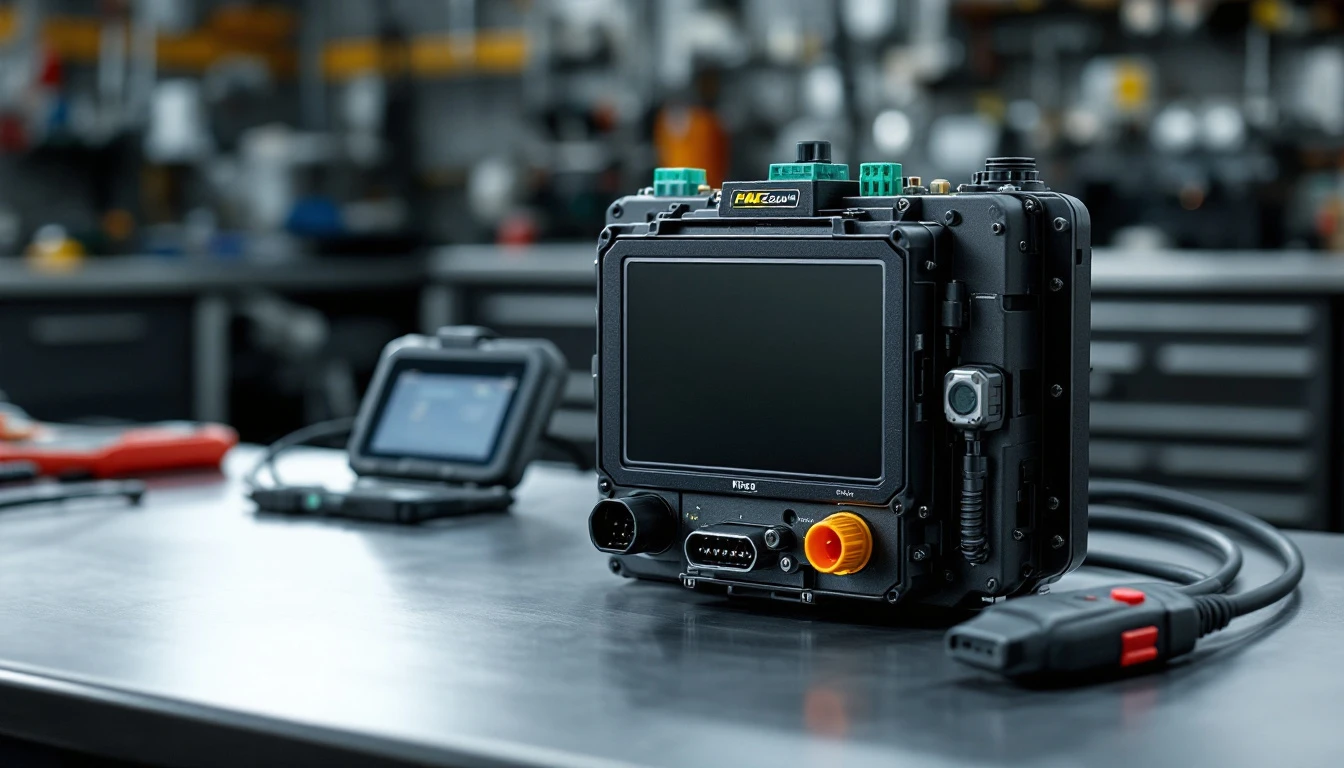
Electric power steering (EPS) replaced the old hydraulic pump-and-belt setup on most vehicles built in the last fifteen years. Instead of a hydraulic pump, an electric motor and a control module provide the steering assist, reading a torque sensor to decide how much help you need at any moment. That makes the steering lighter, more efficient, and tunable — but it also means the EPS module is a computer, and when it is replaced or loses its calibration, it has to be programmed. This 2026 guide explains what EPS module programming involves, the symptoms that call for it, and what a fair mobile price looks like in Fort Worth.
If your vehicle has an EPS warning light, heavy or uneven steering after a repair, or a steering module that was replaced and never calibrated, our module programming service covers this work at your location.
What the EPS Module Does
The EPS control module is the brain of electric power steering. It continuously reads a torque sensor at the steering column or rack — a sensor that measures how hard you are turning the wheel — and commands an electric motor to add exactly the right amount of assist. It also factors in vehicle speed (more assist when parking, less at highway speed), steering-angle position, and inputs from stability control.
Because the assist is computed rather than purely mechanical, the module's calibration matters enormously. The torque sensor's zero point, the steering-angle center reference, and the assist curve all have to be correct. Get them wrong and the steering feels heavy, twitchy, off-center, or the system throws a warning light and cuts assist entirely for safety.
Why a Replacement EPS Module Needs Programming
When an EPS module fails — from an internal fault, water intrusion, or a motor problem — the replacement does not arrive knowing your vehicle. Depending on the platform, it has to be:
- Configured to your vehicle's VIN and steering variant.
- Torque-sensor calibrated so the module knows the true "no input" reference and reads your steering effort correctly.
- Steering-angle reset so the center position is established for both the assist logic and stability control.
Skip these and you get a car with new hardware and bad behavior — a common and frustrating outcome when a module is installed but never programmed. The calibration is the point; the part alone does not fix the car.
Symptoms That Point to EPS Programming
EPS / Power Steering Warning Light
The most direct clue. A lit EPS or steering-wheel-with-exclamation icon means the module has logged a fault. After a replacement, it frequently means "calibration required." A scan reveals whether the stored code is a torque-sensor or steering-angle calibration request versus a hardware failure.
Heavy, Uneven, or Intermittent Assist
Steering that is heavier than normal, that fights you, or that comes and goes points to a module that is not correctly calibrated — or a torque sensor that is failing. The two feel similar, which is why diagnosis before programming matters.
Wheel Won't Self-Center
After a repair, a steering wheel that does not return to center cleanly often signals a steering-angle reference that was never reset. This overlaps with steering-angle sensor calibration, which is sometimes a standalone job and sometimes part of the EPS relearn.
Assist Fully Disabled
On some platforms, an uncalibrated or faulted EPS module disables assist entirely — the steering still works but is heavy like an old manual-steering car. That is the system failing safe, and it clears only once the module is properly programmed or the underlying fault is repaired.
How EPS Module Programming Works
A mobile specialist connects a professional scan tool with the correct platform support to the OBD-II port and identifies the vehicle and steering module. The workflow typically runs:
- Diagnose first. Confirm the fault is calibration or a new-module configuration issue, not a failed sensor, worn rack, or low-voltage problem.
- Configure the replacement module to the vehicle where required.
- Calibrate the torque sensor so the module reads a true zero and correct effort values.
- Reset the steering-angle center reference.
- Verify with a clean scan and a short test to confirm smooth, centered assist.
Throughout, a stable power supply protects the module during any write operation. On vehicles with advanced driver-assistance steering (lane-keep, automated parking), additional calibration may be required — a specialist confirms that scope before quoting rather than discovering it mid-job. For realistic timing, see our programming time guide.
EPS Programming: 2026 Fort Worth Pricing
As of July 2026, here are typical DFW mobile ranges. The module part is separate; these figures cover the programming and calibration labor.
| Job | Typical range | Notes |
|---|---|---|
| EPS module configuration + calibration | $150–$500 | Platform-dependent |
| Torque-sensor relearn only | Lower end of range | When module is otherwise fine |
| Steering-angle reset | Often bundled | Part of EPS relearn on many platforms |
| Advanced driver-assist steering calibration | Quote after diagnosis | Scope varies by system |
| Diagnosis (fault confirmation) | Diagnostic first | Prevents replacing good parts |
Anything with advanced-steering calibration is quoted after a diagnosis, because the number of systems that must be re-referenced varies too much to promise sight-unseen. That is the honest way to price calibration work whose scope you cannot know until you read the vehicle.
Why Diagnosis Comes First
EPS complaints are a classic case where the wrong part gets thrown at the problem. Heavy steering can come from a failed torque sensor, a worn rack, low system voltage, or a mechanical bind — not just a module that lost its calibration. A responsible specialist confirms the module and its calibration are actually the issue before selling programming as the fix. Replacing or reprogramming an EPS module for a mechanical rack problem wastes your money and does not solve the complaint. Our scam-avoidance guide covers how to spot providers who skip this step.
Dealer or Mobile Specialist?
For most EPS module programming, a mobile specialist can configure and calibrate the module on site without a tow, and typically for less than dealership bay-labor rates. The dealer remains the right call for warranty-covered steering failures, safety recalls, and vehicles whose advanced-steering calibration is not yet supported by aftermarket tools. Our dealer vs. locksmith module programming guide breaks down exactly when each one wins.
Fort Worth Locksmith & Computer Programming is a mobile, 24/7 service-area business serving Fort Worth and Tarrant County. We also handle related electronics — BCM programming, ECU/PCM work, and instrument-cluster programming — so a vehicle with multiple module faults can be sorted in one visit.
Safety and Compliance Note
Power steering is a safety-critical system. Steering calibration standards are published by SAE International, and vehicle-safety oversight is handled by the National Highway Traffic Safety Administration (NHTSA), which is also where you check whether your vehicle has an open steering-related recall. In Texas, automotive electronics and locksmith specialists operate under the Texas Department of Public Safety (DPS) Private Security program. If your steering fault is tied to an open recall, the dealer should perform that repair at no cost.
EPS by Vehicle Type: What Changes
Electric power steering is not one design. The two broad architectures affect where the module lives and what a repair involves:
- Column-assist EPS — the electric motor and, often, the control module are integrated into the steering column. Common on many cars and crossovers. The torque sensor sits at the column, and a replacement usually means the assembly comes as a unit that has to be configured and calibrated.
- Rack-assist EPS — the motor drives the steering rack directly, common on heavier vehicles and performance platforms. The control electronics may be separate, and calibration references both the torque sensor and steering-angle inputs.
On trucks and larger SUVs, EPS often carries additional load-compensation and, on tow-capable models, trailer-related steering logic, so the calibration can be a touch more involved. On compact cars, the system is usually simpler and the relearn quicker. Knowing which architecture you have shapes the appointment, which is one reason we confirm the exact vehicle before quoting.
The Voltage Factor People Overlook
Electric power steering is a high-current system — the assist motor can pull serious amperage during a hard parking maneuver. That makes EPS unusually sensitive to battery and charging-system health. A weak battery, a failing alternator, or corroded grounds can cause intermittent assist loss and EPS warning lights that look exactly like a module or sensor fault. Before condemning an EPS module, a thorough diagnosis checks system voltage under load, because "fix" a steering module for what is actually a dying battery and the complaint comes right back.
This is also why a stable bench power supply matters during any EPS programming: the write must happen at steady voltage, and a module flashed on a marginal battery risks an incomplete calibration. It ties back to the same discipline that protects every module write — voltage stability first, then the programming.
Because EPS is safety-critical and shares references with stability control, an EPS job frequently pairs with a steering-angle sensor calibration. When both are needed, handling them in one visit is more efficient than two trips — another advantage of a mobile specialist who carries the tools for both across Fort Worth and Tarrant County.
Frequently Asked Questions
Does a new power steering module need to be programmed?
On most modern vehicles with electric power steering, yes. A replacement EPS module usually has to be configured to your vehicle, then have its torque sensor and steering-angle values calibrated so the assist is smooth and centered. Skipping the calibration commonly leaves the steering heavy, uneven, or throwing an EPS warning light even though the hardware is good.
What are the symptoms of an EPS module that needs programming?
Common signs after a replacement or a fault include a lit EPS or power-steering warning light, steering assist that is heavy or comes and goes, a wheel that does not self-center properly, or a stored fault for torque sensor or steering-angle calibration. On some vehicles the assist is fully disabled until the module is calibrated.
Can a locksmith or mobile specialist program an EPS module?
A mobile module-programming specialist with the correct platform support can configure a replacement EPS module and run the torque-sensor and steering-angle calibrations over the OBD-II port on many vehicles. Some platforms with advanced driver-assist steering require additional calibration that a specialist will confirm your vehicle needs before quoting.
How much does EPS module programming cost near Fort Worth?
As of July 2026, EPS module configuration and calibration typically falls in the same band as other control-module reflash work, roughly $150 to $500 depending on the platform and whether steering-angle and torque-sensor relearns are required. Vehicles with advanced driver-assistance steering are quoted after a diagnosis because the calibration scope varies. The module part is separate.
Is EPS programming the same as a steering-angle sensor reset?
They overlap but are not identical. EPS programming configures the steering assist module and calibrates its torque sensor. A steering-angle sensor reset zeroes the wheel's center reference for stability control and, on some vehicles, is part of the EPS calibration. A full EPS replacement often needs both; a simple alignment may need only the steering-angle reset.
Will EPS programming fix a hard-steering complaint by itself?
Only if the cause is a module that lost its calibration or a replacement that was never programmed. Hard steering can also come from a failed torque sensor, a worn steering rack, low system voltage, or a mechanical bind. A proper diagnosis confirms the module and calibration are the issue before programming is sold as the fix.
Do I need the dealer for power steering module programming?
Not usually. A mobile specialist can configure and calibrate an EPS module on most platforms without a tow. The dealer remains the right choice for warranty-covered steering failures, safety recalls, and vehicles whose advanced-steering calibration is not yet supported by aftermarket tools — which a specialist will tell you if it applies to your vehicle.
EPS light on or steering feeling wrong after a repair in Fort Worth? Call or text Fort Worth Locksmith & Computer Programming at (817) 668-3801. Give us your year, make, and model, and we will diagnose before programming — with an all-in quote up front and no parts thrown at the problem.