2026 Steering Angle Sensor Calibration Near Me, Fort Worth
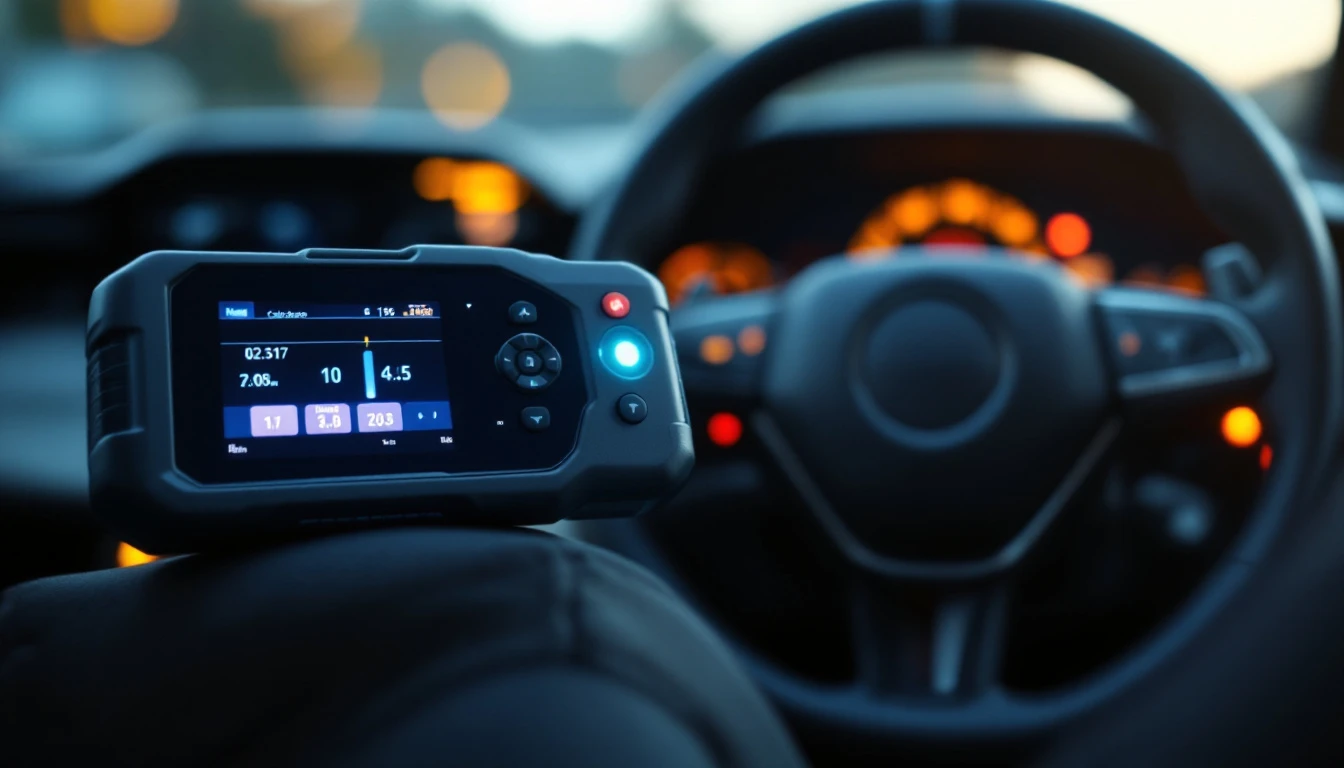
The steering angle sensor is a small part with an outsized safety role. It tells your vehicle's stability-control and ABS system exactly where the steering wheel is pointed, so the system can tell the difference between the direction you intend to go and the direction the car is actually going. When those disagree — a skid, a slide — stability control intervenes. But that only works if the sensor's reference is correct. After an alignment, a suspension repair, or certain module work, that reference gets disturbed, and the fix is a steering angle sensor calibration. This 2026 guide explains when it is needed, how it is done, and what a fair mobile price looks like in Fort Worth.
If a stability-control or traction light came on after an alignment or repair, our module programming service covers steering angle sensor calibration at your location — usually a quick, low-cost procedure.
What the Steering Angle Sensor Does
The steering angle sensor (SAS) sits in the steering column, typically near the clock spring, and continuously reports two things: the absolute angle of the steering wheel and the rate at which you are turning it. The electronic stability control (ESC) system combines that with data from wheel-speed sensors, a yaw-rate/lateral-acceleration sensor, and brake inputs to build a picture of what the car is doing versus what the driver wants.
If you steer left but the car keeps going straight — understeer — or the tail steps out — oversteer — the system applies individual brakes and trims engine power to bring the vehicle back in line. All of that logic starts with the SAS knowing exactly where "straight ahead" is. Get the center reference wrong, and the safety system misjudges every maneuver.
Why the Center Reference Gets Lost
The SAS stores a zero point — the wheel position that corresponds to driving straight. Several common events disturb or clear it:
- A four-wheel alignment. Centering the wheel to a new alignment changes what "straight" means to the sensor.
- Steering or suspension repairs. Tie rods, a steering rack, or control-arm work alter the geometry.
- Clock-spring or steering-wheel removal. Anything that disturbs the SAS assembly.
- ABS, airbag, or module work. Some procedures clear stored calibrations.
- A battery disconnect on certain vehicles.
After any of these, the vehicle frequently sets a stability-control or traction warning and disables the feature until the sensor is recalibrated. This is not a fault with the repair — it is the system correctly refusing to guess where center is.
Symptoms of an Uncalibrated Steering Angle Sensor
- Stability-control (ESC), traction-control, or ABS warning lights on the dash, often together.
- Those lights appearing right after an alignment, suspension job, or steering repair.
- Stability and traction control disabled, with the features unavailable until reset.
- On some vehicles, a related electric-power-steering or lane-keep warning, because those systems also reference steering position.
The car still drives — but the safety net is off. That is why the light should be resolved, not ignored.
How Steering Angle Sensor Calibration Works
A mobile specialist connects a scan tool with the correct platform support and performs the reset procedure, which varies slightly by manufacturer but generally follows this shape:
- Center the steering with the wheels pointed straight.
- Initiate the SAS calibration through the ABS/stability-control module.
- On some vehicles, drive a short route at set speeds so the system confirms the zero point.
- Clear the stored codes and verify the stability-control and traction lights are out.
Because it is typically a scan-tool procedure done stationary or with a brief drive, a mobile specialist can complete it at your location. On platforms that bundle it with an EPS relearn or a module replacement, the specialist handles both in the same visit. For realistic timing across procedures, see our programming time guide.
Steering Angle Sensor Calibration: 2026 Fort Worth Pricing
As of July 2026, a standalone SAS calibration is one of the lower-cost programming procedures — below a full module reflash. Pricing rises when it is part of a larger job.
| Job | Pricing basis | Notes |
|---|---|---|
| Standalone SAS calibration / reset | Lower-cost procedure | When sensor is fine, just needs reset |
| SAS calibration bundled with EPS relearn | Reflects larger job | Common on electric-steering platforms |
| Sensor replacement + calibration | Quote after diagnosis | Part plus programming |
| Diagnosis (light won't clear) | Diagnostic first | Confirms reset vs. replacement |
If a stability light will not clear after a reset, that points to a sensor or wiring fault rather than a simple calibration need — which is why diagnosis comes before selling a replacement. Replacing a good sensor when it only needed a reset is exactly the avoidable cost a careful specialist prevents.
Calibration vs. Alignment — Not the Same Thing
A frequent point of confusion: a steering angle sensor calibration is not an alignment. An alignment adjusts the physical angles of the wheels with a machine and lift. An SAS calibration is an electronic reset that teaches the stability system where the wheel's center is. They are often needed together — the alignment centers the wheel, then the sensor is recalibrated to that new center — but they are separate procedures done with different tools. If your alignment shop left a stability light on, an SAS calibration is usually all that is missing.
Why It's Worth Doing Right
Stability control is a proven safety feature. Vehicle-safety oversight is handled by the National Highway Traffic Safety Administration (NHTSA), and the stability-control standards behind these systems are published by SAE International. A steering reference that is off does not just light the dash — it degrades the system's ability to catch a skid. For a small, quick procedure, calibrating the sensor restores a real safety margin.
Talk to Us
Fort Worth Locksmith & Computer Programming is a mobile, 24/7 service-area business serving Fort Worth and Tarrant County. Because we carry professional scan tools for module work across makes, an SAS calibration is often something we can do quickly alongside related electronics — ABS module programming, EPS steering-module work, or ECU/PCM programming — in a single visit.
In Texas, automotive electronics and locksmith specialists operate under the Texas Department of Public Safety (DPS) Private Security program and a reputable provider verifies vehicle ownership before performing programming work.
When It's Bundled Into a Bigger Job
A standalone steering angle sensor calibration is quick and inexpensive, but the sensor rarely lives in isolation. It shares references with several systems, so an SAS calibration often shows up as one step inside a larger repair:
- After an ABS or stability-control module replacement. The new module needs to learn where straight ahead is, so an SAS calibration is part of bringing it online. See our ABS module programming guide.
- After electric-power-steering work. On many platforms the EPS relearn includes or requires an SAS reset, because the steering assist and the stability system both reference the wheel's center.
- After airbag or clock-spring work. The steering angle sensor often sits near the clock spring, so restraint-related repairs can disturb it.
- After suspension or steering-rack repair plus alignment. The mechanical work changes the geometry; the alignment centers the wheel; the SAS calibration teaches the electronics the new center.
When your visit already involves one of these, folding the SAS calibration into the same appointment is far more efficient than a separate trip — one of the advantages of a mobile specialist who carries the tools for all of it.
Why Some Cars Self-Calibrate and Some Don't
Owners sometimes notice that a stability light cleared on its own after driving, while another car's light stayed on until a scan tool was used. Both are normal — it comes down to sensor type. Some steering angle sensors are absolute and hold their reference through a power loss, sometimes self-zeroing after a few straight-ahead cycles. Others are relative and lose their reference on a battery disconnect or module reset, requiring a scan-tool procedure to re-establish the center. Neither is better or worse; they are just different designs.
The practical implication: if your stability or traction light will not clear after driving straight for a while, do not keep waiting — your vehicle needs the tool-based calibration, and continuing to drive with stability control disabled removes a real safety margin. A quick calibration at your location across Fort Worth and Tarrant County restores it.
Frequently Asked Questions
What does a steering angle sensor do?
The steering angle sensor (SAS) tells the stability-control and ABS system exactly where your steering wheel is pointed and how fast you are turning it. The system compares that intended direction against what the vehicle is actually doing and, if they disagree, applies individual brakes or trims power to keep the car under control. If the sensor's center reference is wrong, the safety system misjudges every turn.
Why is my traction or stability light on after an alignment?
A four-wheel alignment, a suspension repair, or removing the steering wheel can shift or clear the steering angle sensor's center reference. When the system no longer knows where straight ahead is, it sets a stability-control or traction warning and often disables the feature. A steering angle sensor calibration re-establishes the center point and clears the light — no new parts required in most cases.
Does the steering angle sensor need calibration after a repair?
Frequently, yes. Alignments, steering-rack or tie-rod work, clock-spring or steering-wheel removal, some ABS and airbag module work, and a battery disconnect on certain vehicles can all require an SAS recalibration. Many vehicles will not clear the stability-control light until the sensor is reset with a scan tool, even when the mechanical repair was done perfectly.
Can a mobile specialist calibrate a steering angle sensor?
Yes, on most vehicles. A steering angle sensor calibration is typically a scan-tool procedure performed with the wheels straight and the vehicle stationary or on a short drive, so a mobile specialist can do it at your location. Some platforms bundle it with an electric-power-steering relearn, which the specialist confirms and handles in the same visit.
How much does steering angle sensor calibration cost near Fort Worth?
As of July 2026, a standalone steering angle sensor calibration is one of the lower-cost programming procedures, falling below a full module reflash. If it is bundled with electric-power-steering programming or a module replacement, the price reflects the larger job. We quote after confirming your vehicle and whether the sensor needs only a reset or a replacement plus calibration.
Will a bad steering angle sensor stop my car from driving?
Usually not — the car still drives, but stability control, traction control, and on some vehicles lane-keeping are disabled, and warning lights stay on. The danger is the loss of the safety net: without a correct steering reference, the stability system cannot intervene properly in a skid. That is why the light should be resolved rather than ignored.
Is steering angle sensor calibration the same as an alignment?
No. An alignment adjusts the physical angles of the wheels. A steering angle sensor calibration is an electronic reset that tells the stability system where the steering wheel's center is. They are often needed together — the alignment centers the wheel, then the sensor is recalibrated to that new center — but they are two separate procedures done with different tools.
Stability or traction light on after an alignment in Fort Worth? Call or text Fort Worth Locksmith & Computer Programming at (817) 668-3801. Tell us your year, make, model, and what work was just done, and we will calibrate the steering angle sensor at your location — with an all-in quote up front.