ABS Module Programming Near Me — EBCM Replacement in Fort Worth (2026)
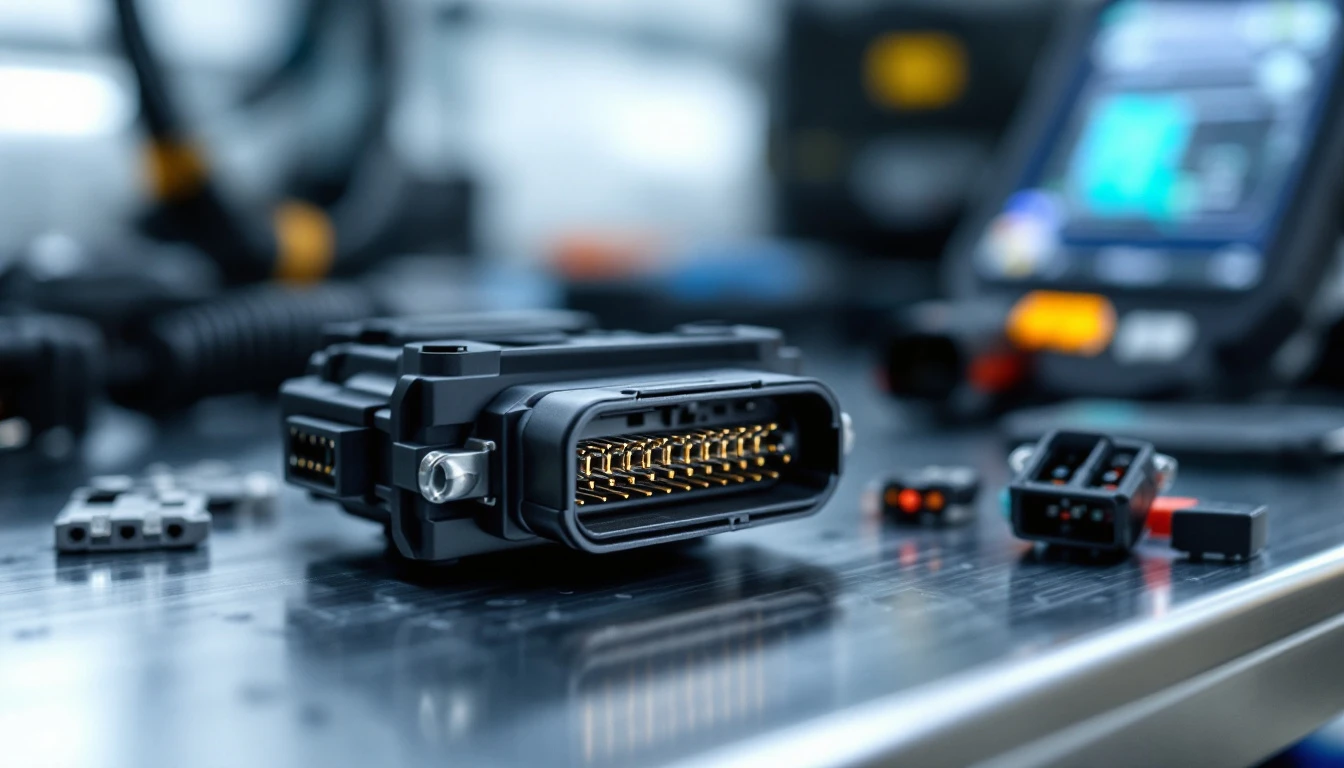
Your brakes are the one system on the car where "good enough" isn't good enough. When the Anti-lock Braking System (ABS) module — technically the Electronic Brake Control Module, or EBCM — fails or gets replaced, the new module almost always has to be programmed and coded to your specific vehicle before anti-lock, traction, and stability control work again. Skip that step and you're left with an ABS warning light and a disabled safety system.
As of July 2026, ABS/EBCM programming is one of the most common "who does this near me?" questions from Fort Worth drivers, because general repair shops will happily replace the physical module but frequently can't complete the coding. This guide explains what ABS module programming actually involves, why it needs a bidirectional programming tool and a proper bleed procedure, when a used module can be re-VINed, and how mobile pricing compares to the dealership. If you already know you need the work, our module programming service covers booking; the detail below explains the "why."
What the EBCM Actually Does
The EBCM is the computer that manages your anti-lock brakes. It reads the wheel-speed sensors at each corner thousands of times per second, and when it detects a wheel about to lock during hard braking, it rapidly modulates hydraulic pressure to that wheel through the ABS pump and valve block — preventing the skid and keeping the car steerable. On most modern vehicles the same module also handles traction control (cutting power or braking a spinning wheel) and feeds the electronic stability control system, which is federally mandated on light vehicles built since the 2012 model year under NHTSA's FMVSS 126.
That's why an ABS fault is rarely "just the ABS light." When the EBCM drops offline, you typically lose anti-lock braking, traction control, stability control, and often hill-hold and brake-assist features simultaneously — all of them share that module. Your base hydraulic brakes still stop the car, but the safety net is gone.
When an ABS Module Needs Programming
Replacement After Failure
EBCMs fail from internal electronics degradation, corrosion, and — common in Fort Worth — water intrusion after storm flooding, since the module and its connector sit low in the engine bay. Symptoms include a persistent ABS light, a traction/stability light, erratic ABS activation, or no communication with the module on a scan tool. A replacement EBCM ships blank or with generic firmware and must be coded to your VIN and configuration before it functions. This is standard module programming work and closely related to the broader ECU and computer programming our shop specializes in.
Used Module From a Donor Vehicle
Because a new OEM EBCM is expensive, a used module from a salvage-yard donor is a popular cost-saver. But that module carries the donor vehicle's identity, so it has to be re-VINed — reconfigured to your VIN and options — before it'll work. Many GM, Ford, and import platforms support this; some newer ones lock the module to its original vehicle. The general principles are the same as engine-module re-VIN, which we walk through in our used ECM/PCM re-VIN guide. Always confirm re-VIN support before buying the donor part.
Variant Coding and Calibration
Even a brand-new module often needs variant coding — telling the module which brake hardware, sensor set, and options your specific car has — plus a calibration routine. On some European platforms this step is mandatory and the ABS system stays dead without it. This is where a shop that "replaced the module" but left the light on usually stopped short.
Why It Needs a Bidirectional, Programming-Capable Tool
Here's the distinction that trips people up. A basic OBD-II code reader (the kind you borrow from a parts store) can read ABS trouble codes, but it cannot write configuration, run bidirectional tests, or perform the automated bleed. ABS/EBCM programming requires a professional bidirectional scan tool — an Autel MaxiSys, Snap-on, or platform OEM tool — that can:
- Code the module to the VIN and write variant/configuration data.
- Run bidirectional actuator tests, commanding the ABS pump and each solenoid valve to confirm the hydraulic side works.
- Perform the automated ABS bleed procedure (more on this below).
- Complete OEM server authorization where the platform gates the calibration behind a security gateway — which independent specialists access legally through NASTF Secure Data Release credentials.
A programming-capable tool is a $4,000–$15,000 investment with annual software subscriptions on top, which is exactly why quick-lube and general shops don't carry the full capability. The background on this equipment gap is covered in our ECU programming explained primer.
The Bleed Procedure Nobody Warns You About
When an EBCM or the hydraulic control unit is opened, air gets trapped inside the module's internal valve chambers — places a conventional pedal-and-hose bleed can't reach. To purge it, the scan tool commands the ABS pump and cycles the valves in a specific sequence while the bleed is performed. Skip this and you get a spongy pedal, a persistent ABS code, or compromised braking even though the module was "programmed correctly."
This is the practical reason ABS work is a safety-critical job and not a five-minute swap: the electronics coding and the hydraulic bleed both have to be done right, and the tool drives both. After the bleed, a qualified technician confirms firm pedal feel and clean codes before the vehicle is signed off.
DFW 2026 Pricing: Mobile vs Dealer ABS Programming
| Service | Mobile specialist | Dealership | Notes |
|---|---|---|---|
| EBCM coding (new module) | $175–$350 | $350–$600 | Plus module cost |
| Variant coding + calibration | $150–$300 | $325–$525 | Platform-dependent |
| Used EBCM re-VIN (domestic/Asian) | $325–$500 | Often refused | Some platforms only |
| Used EBCM re-VIN (European) | $500–$1,200 | Often refused | Bench-level work on some |
| Automated ABS bleed (with programming) | $75–$175 | $150–$300 | Often bundled with coding |
| Module coding + bleed combo | $275–$500 | $525–$900 | Full replacement job |
Two pricing notes. First, a used-EBCM re-VIN is something most dealerships won't perform — they program new modules only, so the salvage-yard savings are only reachable through an independent specialist. Second, a dealership ABS job typically bills 2–3 hours of bay labor at $185–$260/hr in DFW, plus the module and a software-access fee, which puts dealer totals 40–70% above mobile flat-rate pricing. The very newest luxury platforms with locked brake modules are quoted after diagnosis rather than pinned to a flat number, because some genuinely require dealer or bench-level work.
Module or Sensor? Read the Codes First
The most valuable thing a scan tool does on an ABS complaint is tell you whether you actually have a module problem at all. A huge share of "my ABS module is bad" assumptions turn out to be a single failed wheel-speed sensor, a damaged sensor tone ring, or a wiring fault at one corner — none of which require touching the EBCM. The module dutifully reports the fault and lights the dash, but it's healthy.
The diagnostic logic runs roughly like this. Codes that point to one specific wheel ("left front wheel-speed sensor circuit," "no signal from right rear") almost always mean a sensor, connector, or wiring issue at that corner, not the module. Codes reporting internal EBCM faults, valve or pump-motor circuit failures, or a total loss of communication with the module point at the EBCM itself. A no-communication state — where the scan tool can't even see the module — is the strongest indicator of a failed or water-killed EBCM, and it's exactly the pattern Fort Worth storm-flood cars show.
Getting this right is the difference between a $100–$200 sensor job and a multi-hundred-dollar module replacement. It's the same diagnosis-first discipline we apply to ECU and computer programming generally: confirm the failed component before ordering parts, because coding a module you never needed is pure waste. On mixed-fault vehicles — say, a corroded connector throwing both a sensor code and a communication fault — the scan data untangles which repair actually restores the system.
An Honest Word on Brake Safety
We'll say this plainly: brakes are not the place to cut corners, and no article should imply that ABS programming makes an unsafe brake system safe. Programming and coding restore the electronic function of a healthy hydraulic system. If the underlying problem is a leaking line, a failing master cylinder, worn pads, contaminated fluid, or a mechanical fault, coding the module fixes none of that — a qualified technician must verify overall brake function, complete the bleed, and confirm the hydraulic system is sound. On some platforms the final calibration genuinely requires dealer or bench-level work, and a straight answer up front beats a light that comes right back on. General vehicle electronic and lockout work is covered on our automotive locksmith page.
Common ABS Problems Around Fort Worth
Water-intrusion EBCM failure is the local classic. After heavy DFW thunderstorms, drivers in low-lying areas from Riverside to Haltom City see ABS and traction lights appear together as moisture reaches the module connector. Sometimes a corroded connector is repairable at a fraction of replacement cost — another reason diagnosis comes first.
Wheel-speed sensor codes masquerading as module failure are extremely common. A single failed wheel-speed sensor throws an ABS light and disables the system, but the module itself is fine. Replacing and coding a module you didn't need is an expensive mistake a scan reveals in minutes. GM and Ford platforms both see this frequently — our Chevrolet key and module and Ford key and module pages cover related work on those makes.
Post-repair ABS lights appear when a general shop replaced the physical module during a brake job but never coded it. The fix is straightforward for a specialist: code the module to the VIN, run the bleed, clear the codes. This is the single most frequent "who programs ABS modules near me" call we get.
What to Do Right Now
If your ABS light is on, get the codes read before replacing anything — a wheel-speed sensor or a bleed issue is far cheaper than a module, and the scan tells the difference in minutes. If a shop replaced your EBCM and the light stayed on, you almost certainly need the coding step completed. And if you're sourcing a used module from a salvage yard, confirm re-VIN support on your exact platform before you buy. Serving Fort Worth, Arlington, and across the metroplex, we bring bidirectional programming-capable tools and complete the coding, calibration, and bleed as one job. For platform-specific cost context, our car computer module programming cost guide breaks down DFW rates by module type.
Frequently Asked Questions
Who programs an ABS module near me in Fort Worth?
A mobile module-programming specialist with a bidirectional, programming-capable scan tool can code an ABS/EBCM to your vehicle at your location across Fort Worth and DFW. General repair shops often replace the physical module but stop short of the coding step. Some newer platforms need dealer or bench-level work, which a technician confirms after diagnosis.
Does a replacement ABS module need to be programmed?
Usually yes. A new EBCM ships blank or generic and must be coded to your vehicle's VIN and configuration, and on many platforms it needs a variant-coding and calibration step before the ABS and traction-control functions work. A used module additionally needs to be re-VINed. Simply bolting in an unprogrammed module typically leaves the ABS warning light on.
Why is the ABS warning light on after I replaced the module?
The most common reason is that the replacement module was installed but never coded to the vehicle, so it can't communicate correctly with the rest of the brake system. Other causes include a failed wheel-speed sensor, low brake fluid, or a bleed procedure that wasn't completed after the module was opened. A scan tool reads the stored codes to pinpoint which it is.
Can a used ABS module from a salvage yard be programmed to my car?
On many vehicles, yes — a used EBCM can be re-VINed and coded to your car with the right tool, saving the cost of a new OEM module. Re-VIN support varies by make and model year, and some platforms lock the module to its original vehicle. A technician verifies whether re-VIN is possible on your exact platform before you buy the donor part.
How much does ABS/EBCM programming cost versus the dealership?
Mobile ABS/EBCM programming generally falls in the module-programming range of roughly $150–$350 for coding, with used-module re-VIN running higher at $325–$1,200 depending on platform, plus the module cost. Dealerships are typically 40–70% higher because they bill 2–3 hours of bay labor at $185–$260 per hour in DFW plus software fees.
Do you need a special scan tool to program an ABS module?
Yes. ABS/EBCM coding requires a bidirectional, programming-capable scan tool — a basic code reader can only read fault codes, not write configuration. Many platforms also require live OEM server access for the calibration, and a proper bleed procedure often uses the tool to cycle the ABS pump. That combination is why it is a specialist service.
Is it safe to drive with the ABS light on?
Your standard hydraulic brakes still work with the ABS light on, but anti-lock and often traction and stability control are disabled, which matters most in hard stops or on wet Fort Worth roads. Because braking is a safety system, a qualified technician should verify brake function and complete any needed bleed before the vehicle is considered fully repaired. Don't ignore a persistent ABS light.