Used ECM/PCM Programming to a VIN in Fort Worth: Can You Install a Junkyard Computer?
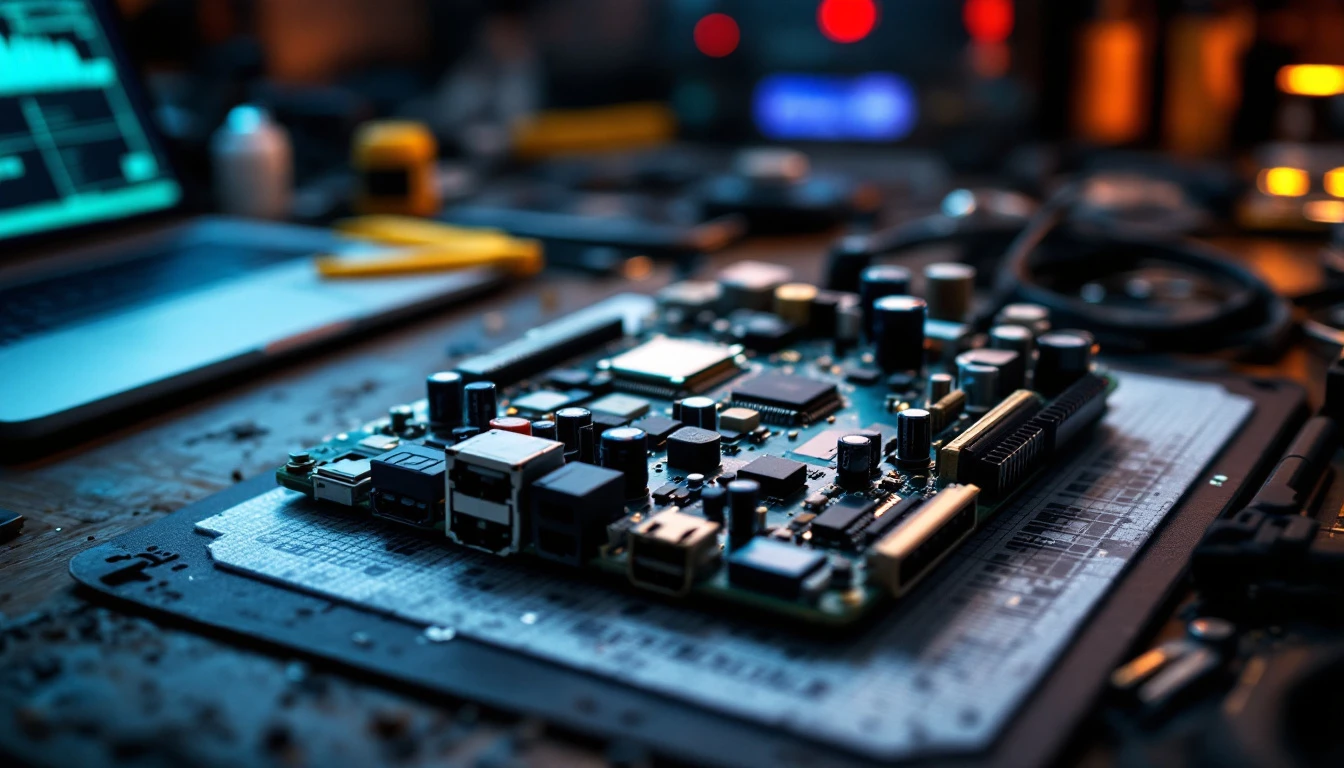
As of July 2026, a used engine or powertrain computer from a salvage yard can cost a fraction of a new one from the dealer — which is exactly why "can you program a junkyard ECM to my car" is one of the sharper questions Fort Worth drivers bring us. The honest answer is: often yes, sometimes no, and the difference comes down to your specific platform and one or two extra steps most people don't know exist. Get those steps right and a used module saves real money. Get them wrong — or buy the wrong module for a locked platform — and the part becomes an expensive paperweight.
This guide explains whether a used or salvage ECM/PCM can be VIN-programmed to your vehicle, how the immobilizer and security-PIN sync actually works, which makes allow it and which block it, and exactly what a mobile programmer does that a dealer typically won't. If you want the module fundamentals first, start with our ECU programming explained guide; for the powertrain-module sibling, see PCM programming near me.
First, ECM vs. PCM — Because It Changes the Job
An ECM (Engine Control Module) manages the engine alone. A PCM (Powertrain Control Module) integrates engine and transmission control in one unit and, on many platforms, coordinates the immobilizer and a slice of body functions too. Domestic trucks and SUVs — the GM, Ford, and Stellantis vehicles common around Fort Worth — overwhelmingly use the PCM design, which is why a Silverado, F-150, or Ram owner is far more likely to be quoted "used PCM programming" than "used ECM programming."
Why it matters for a salvage part: because the PCM also runs the transmission and the immobilizer, a used PCM has to be calibrated for both your engine and your exact transmission, then re-married to your security system. A used ECM is a narrower job. Establishing which module your vehicle uses is the first thing a competent programmer does, because it determines the compatibility rules and the price tier.
Can a Used Module Actually Be Programmed to Your VIN?
Yes on many platforms — with two non-obvious requirements.
Requirement one: hardware compatibility. A used module has to be a compatible hardware revision for your engine, transmission, and emissions configuration — usually the same or a superseding part number. A module pulled from a different drivetrain or a different calibration family may refuse your calibration entirely. This is why the very first thing to do is give the programmer your VIN and the donor module's part number before you buy the part, so compatibility is confirmed, not assumed.
Requirement two: the module carries the donor's identity. A used module still holds the previous vehicle's VIN, mileage, key data, and immobilizer pairing burned in. To run in your car it has to be reflashed with your calibration and re-synced to your VIN and immobilizer. On some platforms this is done through the OBD-II port; on others it requires "virginizing" the module first.
Virginizing, Cloning, and Reflashing — Three Paths
When a used module is set up, there is not one procedure but three, and the right one depends on the part and the platform:
1. Reflash and re-VIN (virginize first). The used module is reset to a blank, unmarried state — "virginized" — clearing the donor VIN, key, and immobilizer data. From blank it is reflashed with your calibration and re-married to your vehicle and keys. Skipping the virginize step is a classic reason a used module throws security and theft-deterrent faults on the first drive.
2. Clone the old module onto the used one. If your original module's memory is still readable, a programmer can clone its calibration and security data onto a matching used module. Cloning can sidestep a fresh immobilizer marriage and is sometimes the only practical route on older platforms where dealer calibration files are scarce. It only works when the donor is the correct hardware revision.
3. Flash a new blank module instead. Not a used-part path, but worth knowing: a brand-new service module from the parts counter is empty and is flashed to your VIN directly. It costs more for the part but skips the virginize question. When a platform blocks used-module re-VIN, this is often the fallback.
The Immobilizer and Security PIN Step Nobody Warns You About
Here is the single most common reason a "successfully installed" used module leaves a car cranking but not starting: the immobilizer was never re-married.
On virtually every vehicle from the late 1990s onward, the engine or powertrain module is tied to the vehicle's immobilizer. Before the engine will run, the module and the key have to complete a security handshake, and on many platforms that handshake is gated by a security PIN (also called an incode/outcode, a PIN code, or an SKIM/SKREEM/WCM secret depending on the manufacturer). A used module arrives married to the donor car's security data. Until it is re-married to your keys and, where required, authorized with your vehicle's security PIN or an OEM security-gateway token, one of two things happens: the engine cranks but never fires, or it starts and stalls within a second or two as the immobilizer cuts fuel.
This is exactly the operation the NASTF Secure Data Release system exists to govern. A registered Vehicle Security Professional is identity-verified to pull the same security access a dealer uses — the credential that makes immobilizer marriage and security-PIN retrieval possible outside a franchise shop. It is also the reason this work overlaps with automotive locksmithing: the module sync and the key sync are the same security domain. Our can a locksmith program an ECM or PCM guide covers where that credential does and doesn't reach.
Which Makes Allow Used ECM/PCM Re-VIN — and Which Block It
This is platform-specific and it is where salvage-part savings live or die. Broad guidance for 2026:
| Platform group | Used-module re-VIN | Typical method | Notes |
|---|---|---|---|
| GM (many platforms) | Usually supported | OBD-II reflash + VIN sync | Immobilizer relearn required |
| Ford / Stellantis (many) | Usually supported | OEM platform reflash + PIN | Security gateway on newer years |
| Toyota / Honda / Nissan (many) | Often supported | OBD-II re-VIN | Some need immobilizer reset |
| Mercedes 2009+ | Effectively blocked | Bench-level EEPROM work | VIN-locked module |
| BMW CAS4 and later | Effectively blocked | Bench-level EEPROM work | VIN-locked module |
| Audi / VW Group 2009+ | Effectively blocked | Bench-level EEPROM / security gateway | VIN-locked module |
Two takeaways. First, on many domestic and Asian platforms a salvage module can be reflashed and VIN-synced through the OBD-II port, and the savings are real. Second, on locked European platforms (Mercedes 2009+, BMW CAS4+, Audi/VW 2009+) a used module can't simply be re-VIN'd through the port — it needs bench-level EEPROM work, which can erase the savings versus buying new. This is why the rule is always the same: confirm re-VIN is supported on your platform before you pay for the module. For related European security work, see our VW immo-off and GM VATS bypass service pages.
What a Mobile Programmer Does That the Dealer Won't
Most dealerships will only program a brand-new module sold through their own parts counter. Bring them a salvage-yard module and they will typically refuse to touch it — not because it can't be done, but because it isn't their business model. A mobile ECM/PCM specialist with the right bench tools and OEM platform can re-VIN salvage modules on many platforms, saving you the cost of a new OEM module.
A proper mobile visit runs a disciplined sequence:
- Verify compatibility against your VIN and the donor part number before any work.
- Stabilize voltage with a dedicated power supply on the battery — a module flash that loses voltage mid-write can corrupt the part permanently.
- Virginize or clone as the platform requires.
- Reflash the correct calibration for your VIN, engine, and transmission.
- Re-marry the immobilizer and sync your keys, authorizing with the security PIN or gateway token.
- Reset adaptives (on a PCM, the transmission relearn) and verify with a clean scan and a start-and-run confirmation.
Because there's no bay overhead and no tow, the flat-rate mobile programming price comes in below the dealer's multi-hour bay labor plus software fees — while doing work the dealer declined. See the module programming and ECU programming service pages for how we handle each.
What It Costs Near Fort Worth
Used-module programming pricing tracks the same tiers as our other module-programming guides, driven by platform and whether bench work is required:
- Domestic / Asian used-module VIN sync — the standard used re-VIN tier; higher than a new-module flash because it includes virginize/clone plus immobilizer marriage.
- European VIN-locked used module — the highest tier, because it requires bench-level EEPROM work rather than an OBD-II reflash.
- New blank module flash (the fallback) — a straightforward calibration-and-VIN flash; the part costs more but the labor is simpler.
Rather than quote a single figure that would be wrong for half of vehicles, we confirm your year, make, model, module condition, and donor part number, then give an all-in quote before dispatch. The salvage part only saves money if your platform supports the sync — which is exactly why the pre-purchase compatibility check is step one. For the mobile-vs-dealer cost picture on the powertrain module specifically, our PCM programming near me guide breaks it down.
A Realistic Buyer's Checklist
Before you hand over money at the salvage yard:
- Get the donor module's part number and give it, plus your VIN, to the programmer for a compatibility check.
- Ask whether re-VIN is supported on your platform through the OBD-II port, or whether it needs bench work.
- Confirm the immobilizer step is included in the quote — module reflash without immobilizer marriage is an unfinished job.
- Ask about the transmission relearn if it's a PCM, so firm early shifts don't surprise you.
- Get the all-in quote in writing before the module is bought or the truck is dispatched.
Frequently Asked Questions
Can a used or junkyard ECM/PCM be programmed to my car?
On many platforms, yes. A used module has to be reflashed with your vehicle's calibration and re-synced to your VIN and immobilizer so the rest of the network and the security system accept it. Some manufacturers allow this through the OBD-II port; others lock the module to its original VIN and require bench-level EEPROM work or an OEM security-gateway authorization. Confirm your platform before you buy the part.
Do I have to match the exact part number on a used ECM or PCM?
You need a compatible hardware revision — usually the same or a superseding part number for your engine, transmission, and emissions configuration. A module from a different drivetrain or a different calibration family may not accept your calibration at all. Give the programmer your VIN and the donor module's part number before purchase so the compatibility gets checked first.
What is "virginizing" a used module?
Virginizing resets a used module from the donor vehicle's VIN, key, and immobilizer data back to a blank, unmarried state. From blank it can be reflashed and re-married to your vehicle cleanly. Skipping the virginize step is the most common cause of security and theft-deterrent faults after a used-module install.
Does a used ECM/PCM need immobilizer or security PIN programming?
Usually. On most vehicles from the late 1990s onward the engine or powertrain module is tied to the immobilizer, so a replacement has to be re-married to your keys and, on many platforms, authorized with the vehicle's security PIN or an OEM security-gateway token. Without that step the engine will crank but not start, or will start and immediately stall.
Which makes allow used ECM/PCM re-VIN and which do not?
Many GM, Ford, Stellantis, Toyota, Honda, and Nissan platforms allow a used module to be reflashed and VIN-synced through the OBD-II port. Others — including Mercedes 2009 and newer, BMW with CAS4 and later, and Audi 2009 and newer — effectively block used-module re-VIN without bench-level EEPROM work. The cutoff is platform-specific, so verify yours before buying a salvage module.
Is a used ECM/PCM cheaper than a new one?
The part is usually much cheaper than a new OEM module, which is why the salvage route is popular. The savings only hold if your platform supports a used-module VIN sync — on locked European platforms the bench work can erase the savings. Ask whether re-VIN is supported on your platform before paying for the module.
Can a locksmith program a used ECM/PCM, or do I need the dealer?
A mobile locksmith or programmer with the correct OEM platform, NASTF security credentials, and the right bench tools can reflash and re-VIN used modules on many platforms — work most dealers refuse to do at all, since they only program brand-new modules from their parts counter. On VIN-locked platforms the job needs bench-level EEPROM equipment either way.
Get Used ECM/PCM Programming Near You in Fort Worth
Fort Worth Locksmith & Computer Programming reflashes and VIN-syncs used ECM, PCM, and other modules throughout Fort Worth and the DFW metroplex — virginize, clone, or reflash, with immobilizer marriage and adaptive reset in the same visit. We check your platform's compatibility against your VIN and the donor part number before you buy the module, so you don't spend money on a salvage part your car can't accept. Explore our ECU programming service, our make-specific work like Chevrolet key and module programming, and how we serve Fort Worth and the surrounding cities.
Call (817) 668-3801 or email contact@fwlocksmith.com with your year, make, model, and the donor module's part number. We are mobile and available 24/7, and we will tell you honestly whether the salvage route works for your platform before any part is purchased. You can also reach us through our contact page.
Texas locksmiths are licensed and regulated by the Texas Department of Public Safety Private Security Program.