Add Remote Start: Module Programming in Fort Worth (2026)
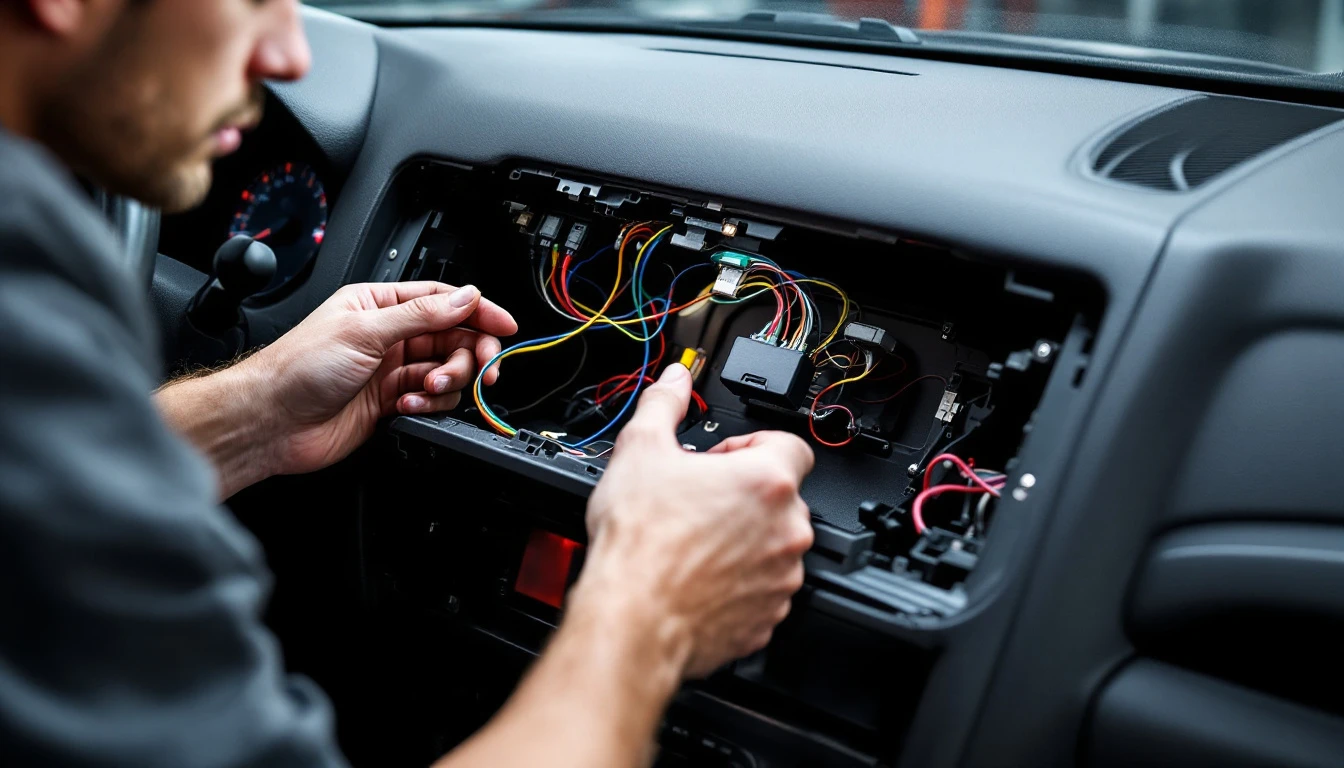
A remote start is one of the most satisfying upgrades you can add to a daily driver in North Texas — walk out of a Fort Worth office in August, and the cabin is already cooling before you touch the door handle. But adding remote start to a modern vehicle is not the plug-and-play accessory it was two decades ago. Today's cars guard the engine with an electronic immobilizer, and getting an aftermarket system to start that engine — safely, without a key in the ignition — is a genuine module-programming job, not just a wiring project.
As of July 2026, this guide explains how aftermarket remote start actually works on modern vehicles, why the installation requires programming your vehicle's immobilizer data into a bypass module, the difference between data-bus and standalone systems, what push-to-start integration involves, and why any honest installer quotes the job after seeing your specific car. Remote start is a convenience add-on — a genuinely useful one — but it has to be integrated correctly. Our module programming service handles that integration end to end.
The Core Problem: Your Immobilizer Says No
To understand why remote start is more than a switch, you have to understand what your car does every time you start it normally. When you insert a key or press START with the fob in your pocket, the immobilizer performs an encrypted handshake with the key. Only after that handshake succeeds does the immobilizer authorize the engine control module to deliver fuel and spark. No valid key, no start. That's the entire point of the anti-theft system, and it's mandated in spirit by decades of vehicle security engineering.
Now consider a remote start. You press a button on a remote or a smartphone app from inside your Fort Worth house. The engine is supposed to crank and run — but there is no key anywhere near the ignition. The immobilizer, doing exactly its job, refuses. This is the fundamental obstacle every aftermarket remote start must overcome.
The solution is an immobilizer-bypass module. This small piece of hardware is installed in the vehicle and programmed with your car's specific security data so that, at the moment of a remote start, it can present the immobilizer with valid authorization — essentially telling the anti-theft system, "an authorized start is happening," without a physical key present. Critically, a properly engineered bypass only authorizes starting. It does not let the vehicle be shifted, steered, or driven away. The moment you want to actually drive, your real key still has to be present. This is why the programming step is the heart of a remote start install, and why it overlaps with the same skills used in smart key programming and transponder key programming.
Data-Bus vs Standalone Integration
There are two broad ways an aftermarket remote start talks to your vehicle, and the right choice depends on your car.
Data-bus (CAN) integration
Modern vehicles run an internal computer network — most commonly a CAN bus — over which the factory modules exchange messages. A data-bus remote start install taps into that network and sends its commands (start, stop, lock, unlock) as digital messages the vehicle already understands, while reading status back the same way. The advantages are significant: far less wire-cutting, cleaner integration, more reliable feedback (the system knows whether the engine actually started), and easier interaction with door locks and security. On most vehicles built in the last decade, data-bus integration is the preferred, professional approach.
Standalone (hard-wired) integration
A standalone system connects directly to individual circuits — ignition, accessory, starter, brake, tach — by physically splicing into the wiring. It doesn't rely on the data network. On older or simpler vehicles that lack a rich data bus, or where a specific function isn't exposed on the network, standalone wiring is still the correct method. It demands meticulous, correct connections; sloppy standalone work is where poorly installed remote starts earn their bad reputation.
Many real-world installs are a hybrid — data-bus for commands and status, with a few discrete connections for functions the bus doesn't expose. The installer's job is to choose the cleanest, most reliable combination for your exact platform, which is one more reason the vehicle has to be assessed first.
Here's how the two integration approaches compare on the factors that actually matter for a lasting, safe install:
| Factor | Data-bus (CAN) integration | Standalone (hard-wired) |
|---|---|---|
| Wiring intrusion | Minimal — digital messages | Extensive — splices into circuits |
| Status feedback | Reliable (knows engine started) | Limited, depends on added sensors |
| Best-fit vehicles | Modern data-network cars | Older or simpler platforms |
| Lock/security interaction | Clean, integrated | Requires extra connections |
| Install reliability | High when platform is supported | High only with meticulous wiring |
| Immobilizer bypass needed | Yes, programmed to the vehicle | Yes, programmed to the vehicle |
Note the last row: regardless of integration style, a modern vehicle still needs an immobilizer-bypass module programmed with its security data, because the anti-theft system blocks a keyless start either way.
Adding Remote Start to Push-to-Start Vehicles
Plenty of Fort Worth drivers assume that because their car already has a proximity fob and a START button, it "already has remote start." Not necessarily — factory remote start is an option many trims don't include, and many push-button cars can have aftermarket remote start added.
On a push-to-start vehicle, the remote start module integrates with the data bus and works alongside a bypass that emulates the presence of an authorized fob for the start event. The system momentarily authorizes the keyless-start sequence remotely, runs the engine for climate control, and keeps the vehicle locked and immobilized against being driven. Compatibility varies by make, model, and year, and the newest platforms — especially those with tightly locked security gateways — can be more involved or occasionally require additional steps. A qualified installer confirms your specific vehicle's capability before promising anything. Our automotive locksmith service includes the diagnostic side of confirming what your platform supports.
Safety Interlocks That Must Be Present
A correctly designed remote start is layered with safety logic, and these are not optional. A professional install ensures:
- Brake-pedal shutdown. If the brake is pressed during a remote-started run, the engine shuts off — a safeguard against unintended movement and against anyone attempting to drive off.
- Hood-open lockout. A hood pin sensor prevents remote starting when the hood is up, so no one is working under the hood while the engine could crank.
- Transmission and in-vehicle presence logic. The system is engineered so the vehicle cannot be shifted into gear and driven without a valid key detected inside. Remote start runs the engine; it does not hand over the car.
- Neutral/park safety and RPM monitoring. The module watches engine RPM and safety states, shutting down on abnormal conditions.
These interlocks reflect long-standing motor-vehicle safety principles and standards work by bodies like SAE International and safety oversight from NHTSA. The reason to pay for a qualified installer is precisely that these safeguards are implemented and tested correctly, rather than bypassed to save time on a cut-rate job.
Why the Price Has to Be Quoted After an Assessment
It would be easy to publish a single flashy "remote start from $X" number, but it would be misleading, and an honest shop won't do it. The real cost of adding remote start depends on variables that only reveal themselves when a technician looks at your vehicle:
- Key system. A bladed-transponder car and a push-button proximity car need different bypass strategies and hardware.
- Data-bus complexity. Some platforms expose start and lock functions cleanly on the network; others require additional interface hardware or discrete wiring.
- Security gateway. Newer vehicles with locked gateway modules add integration steps.
- Range and features. A short-range remote, a long-range remote, or a smartphone-app control (with an LTE module and subscription) are different builds.
- Vehicle condition. Existing electrical issues, previous amateur installs, or aftermarket alarms already present all affect labor.
For those reasons, we quote remote start after a brief vehicle assessment. That's the only way to give you a number that reflects the real parts and labor your specific car needs — and it protects you from the bait-and-switch pattern common with lowball flyer pricing that balloons once the vehicle is on the bench.
Remote Start and the Texas Climate
There's a practical, everyday payoff that makes remote start especially worthwhile in the DFW metroplex. Fort Worth summers routinely push cabin temperatures well past what's comfortable — a car sitting on Camp Bowie or in an Alliance parking lot becomes an oven by midafternoon. A remote start lets you run the air conditioning to pre-cool the cabin before you get in, so the steering wheel is touchable and the seats aren't scorching. In the rare North Texas winter cold snap, the same feature warms the cabin and helps clear glass. Beyond comfort, pre-conditioning reduces the shock of stepping into extreme heat and gives the climate system a head start.
It's a convenience feature, and we're honest about that — remote start won't make your car faster or fix a mechanical problem. But for daily comfort in a Texas climate, few upgrades are appreciated more often.
What a Professional Install Looks Like
When you book a remote start install, expect a process that respects both your vehicle and its security:
- Vehicle assessment and quote. The technician confirms your make, model, year, and key system, checks how the data bus and immobilizer are configured, and quotes the job based on the actual hardware and labor required.
- Module selection. The installer chooses a remote start module and immobilizer-bypass hardware matched to your platform, plus the remote or app interface you want.
- Programming the bypass. The bypass module is programmed with your vehicle's immobilizer data so it can authorize a keyless start — the step that makes the whole system possible.
- Clean integration. Data-bus connections and any required discrete wiring are made and secured properly, with all safety interlocks wired and verified.
- Testing. The technician tests remote start and stop, confirms the brake and hood safeties, verifies the car cannot be driven without a valid key, and checks lock/unlock and status feedback.
Done right, you get a reliable, safe convenience feature that leaves your factory anti-theft protection fully intact. Fort Worth Locksmith & Computer Programming is a mobile, 24/7 shop licensed by the Texas DPS Private Security Bureau, serving Fort Worth, Arlington, and the wider DFW area.
What to Do Right Now
If you want to add remote start, start with a vehicle assessment so you get an accurate quote and a system matched to your car rather than a generic flyer price. Ask specifically whether the install is data-bus or standalone and how the immobilizer bypass is programmed — a knowledgeable installer will explain both without hesitation. And if you drive a push-button car, confirm compatibility for your exact year before assuming it can't (or can) be done.
For remote start installation and immobilizer-integrated module programming anywhere in the Fort Worth area, contact Fort Worth Locksmith & Computer Programming at (817) 668-3801 or contact@fwlocksmith.com. For related electronic work, see our transponder key programming service.
Frequently Asked Questions
How much does it cost to add remote start in Fort Worth?
Cost depends heavily on your vehicle — whether it's a bladed-key car or push-button start, how the data bus is secured, and which module and bypass hardware your platform needs. Because those variables swing the price, a reputable installer quotes you after a quick vehicle assessment rather than over the phone. As of July 2026, expect a proper install with immobilizer-bypass programming to reflect real parts and labor, not a bargain flyer price.
Why does remote start need my car's immobilizer data programmed?
Your immobilizer is designed to refuse to start the engine unless it senses an authorized key. A remote start command tries to crank the engine with no key present, so the system needs an immobilizer-bypass module that presents the vehicle with valid authorization at start time. Programming that module with your vehicle's data is what lets the engine run remotely while keeping the anti-theft system intact when you drive.
Can you add remote start to a push-to-start car?
Yes, in most cases. Push-button (proximity) vehicles integrate remote start through the data bus, and the module emulates the presence of an authorized fob so the engine can start. Compatibility varies by make, model, and year — some newer platforms with locked security gateways are more involved — so an installer confirms your exact vehicle before committing.
What's the difference between a data-bus and a standalone remote start?
A data-bus install communicates with the vehicle's factory computer network to send start, lock, and status commands with minimal wire-cutting, which is cleaner and more reliable on modern cars. A standalone system hard-wires directly into ignition, starter, and sensor circuits. Data-bus is generally preferred on newer vehicles; standalone still has a place on older or simpler platforms.
Is aftermarket remote start safe?
When installed correctly by a qualified technician, yes. Proper installs include safety interlocks required by design — the engine won't start if the hood is open, the brake is pressed, or the transmission isn't secured, and the vehicle can't be driven until a valid key is present. The risk comes from cheap or improper installations that skip these safeguards, which is why professional integration matters.
Will remote start let someone steal my car?
No, when done properly. Remote start only runs the engine for climate control — it does not disengage the steering lock or allow the vehicle to be shifted and driven without a valid key inside. The immobilizer bypass is engineered to authorize starting only, and the anti-theft system re-arms the moment the engine runs unattended, then requires your real key to actually drive away.
How long does a remote start installation take?
A typical professional install runs a few hours, depending on vehicle complexity, whether it's push-button or bladed-key, and how the module integrates with the data bus and immobilizer. Newer platforms with more security integration take longer. A qualified installer gives you a realistic time estimate as part of the vehicle assessment.