2026 BMW EGS Transmission Module Programming, Fort Worth
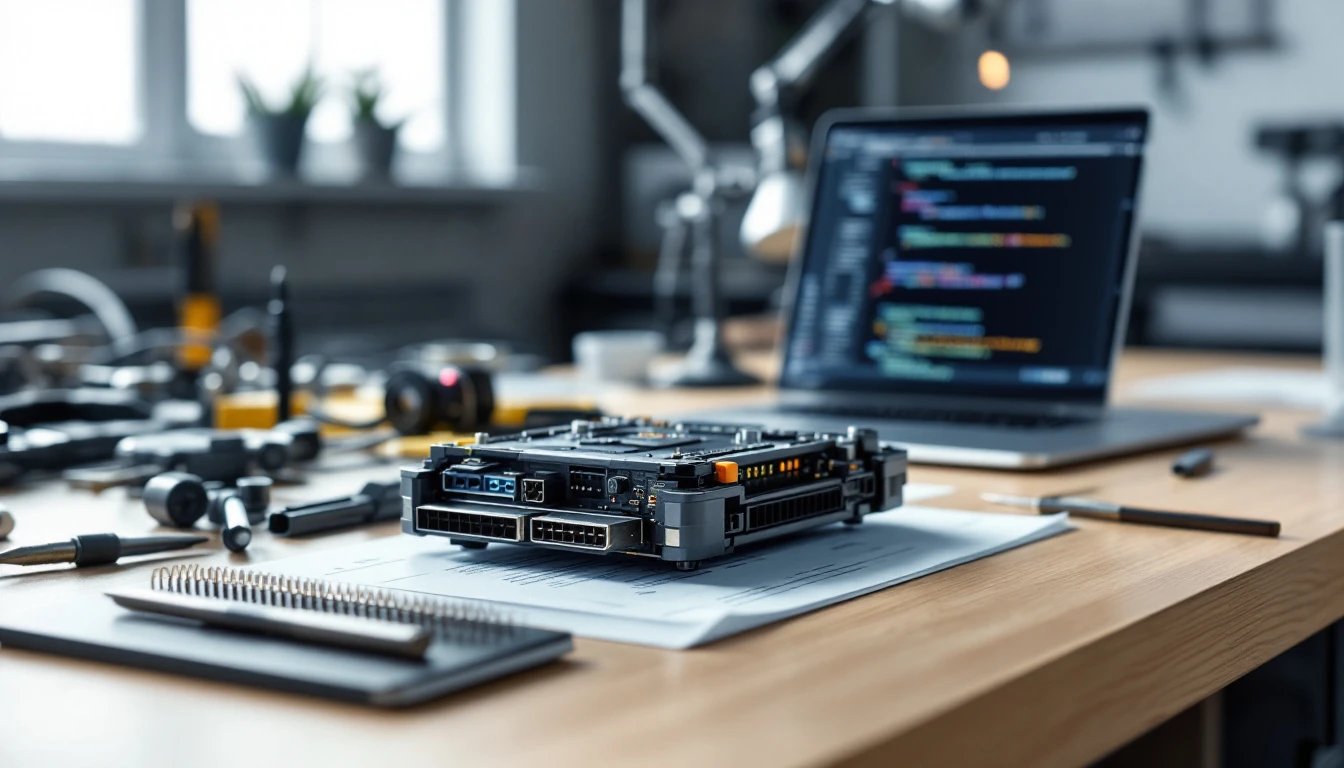
BMW's automatic transmissions are controlled by a dedicated module called the EGS — Elektronische Getriebesteuerung, or Electronic Gearbox Control. When it fails or is replaced, a BMW does not simply shift poorly; it often drops into transmission limp mode or a no-drive condition, because the EGS and the engine module share a security value that has to match before the drivetrain will operate normally. This 2026 guide explains how BMW EGS programming and ISN alignment work, why a used module needs more than a plug-in, and what fair mobile pricing looks like in Fort Worth.
BMW electronics are a specialty, and the EGS is one of the more security-layered modules on the car. Our module programming service covers this work; because it is a European transmission module, the exact procedure depends on your chassis, which we confirm before quoting.
What the EGS Does
The EGS is the brain of the automatic gearbox. It decides when to shift, how firmly, when to lock the torque converter, and how to manage line pressure and adaptive shift behavior. On modern BMWs it works closely with the mechatronic unit inside the transmission (the valve-body-and-controller assembly) and communicates constantly with the engine module (DME) over the vehicle network.
That tight integration is why an EGS problem is rarely subtle. When the module loses its coding, its ISN alignment, or its trust relationship with the DME, the transmission stops behaving — usually by failing safe into limp mode.
The ISN: BMW's Anti-Swap Security Value
Here is what makes BMW EGS work different from a domestic transmission module. Many BMWs use an ISN — Individual Serial Number — a security value shared between the engine module (DME) and other drivetrain modules, including the EGS on ISN-protected platforms. It exists to prevent theft and unauthorized drivetrain swaps: the modules have to agree on the ISN, or they reject each other.
So when you replace an EGS, coding it to the car is not enough. Its ISN has to be aligned with the DME's — reading the value from the DME and writing it to the EGS, or the equivalent on your specific chassis. Skip the ISN alignment and you get a perfectly good used EGS installed and a car that still will not drive normally. This is the single most common reason a DIY EGS swap "doesn't work." It is closely related to the CAS/FEM security architecture covered in our BMW CAS/FEM/FRM programming guide.
Symptoms That Point to EGS Work
Transmission Limp Mode
The signature symptom: the car locks into a single gear (often third or fifth), throws a transmission or gearbox warning, and refuses to shift normally. Limp mode is the system failing safe. It can come from the mechatronic unit, a sensor, low fluid, wiring, or an EGS that lost its coding or ISN — which is exactly why diagnosis before replacement matters.
No-Drive After an EGS Swap
Install a used EGS without ISN alignment and the car will not move properly, even though the gearbox is mechanically sound. That is expected behavior, not a bad module — the ISN mismatch is the cause.
Harsh, Erratic, or Delayed Shifts
Shift quality problems can be adaptive values that need resetting after service, a mechatronic issue, or a coding problem. A scan of the EGS and DME distinguishes a coding/adaptation fix from a mechanical repair.
How BMW EGS Programming Works
A specialist connects the correct BMW software to the vehicle and works through:
- Diagnose first. Read EGS and DME faults to confirm the module — not a sensor, solenoid, fluid, or wiring problem — is the issue.
- Code the replacement EGS to your exact chassis and options.
- Align the ISN between the EGS and DME so the modules trust each other.
- Reset adaptations so the transmission relearns cleanly.
- Verify with a road test and a clean fault scan.
On some BMW chassis, ISN alignment on a used module requires bench-level EEPROM work rather than a straight OBD procedure — one of the reasons European transmission-module jobs are quoted after confirming the vehicle. A stable power supply protects the module during writes. For realistic timing, see our programming time guide.
BMW EGS Programming: 2026 Fort Worth Pricing
As of July 2026, BMW EGS work is a quote-after-diagnosis service, because the procedure and any bench-level steps vary by chassis and module condition.
| Job | Pricing basis | Notes |
|---|---|---|
| EGS coding (new module) | Quote after diagnosis | Chassis-dependent |
| EGS + ISN alignment (used module) | Quote after diagnosis | May require bench EEPROM work |
| Adaptation reset after service | Lower-end job | When module is otherwise fine |
| Fault diagnosis | Diagnostic first | Distinguishes coding vs. mechanical |
Because a used European transmission module can turn out to need bench work, no honest specialist promises a hard price before confirming your chassis and module condition. That candor is how you avoid a bait quote — see our scam-avoidance guide.
Why Diagnosis Comes First on a BMW
Transmission limp mode is a symptom with many causes. A failing mechatronic unit, a speed or pressure sensor, low or degraded fluid, or a wiring fault can all put a BMW into limp mode — and none of those is fixed by reprogramming the EGS. Reading the EGS and DME faults before condemning the module is what prevents you from paying for an expensive module the car did not need. A responsible specialist diagnoses before it replaces; that is especially true on European drivetrains where the parts are costly.
Dealer or Specialist for BMW EGS Work?
BMW dealers can code and align an EGS, but so can an independent specialist with the correct software and secure access — often faster and for less, and at your location. The dealer remains the right call for warranty-covered failures and VIN-recorded software campaigns. Our dealer vs. locksmith module programming guide covers when each one wins.
Fort Worth Locksmith & Computer Programming is a mobile, 24/7 service-area business serving Fort Worth and Tarrant County, and BMW electronics — FRM repair, CAS/FEM programming, key programming, and comfort-access work — are a core specialty. A BMW with more than one module fault can often be sorted in a single visit.
Credentials and Compliance
EGS coding and ISN alignment mean writing to a BMW's drivetrain security, so legitimacy is essential. In Texas, automotive electronics and locksmith specialists operate under the Texas Department of Public Safety (DPS) Private Security program and a reputable specialist verifies vehicle ownership before performing ISN or security work. Secure access, where required, is coordinated through the National Automotive Service Task Force (NASTF), and the drivetrain-security standards these systems follow are published by SAE International.
BMW Chassis and Their EGS Nuances
BMW EGS work varies more by chassis generation than almost any domestic transmission module, and the ISN security layer is what drives that variation:
- Older E-chassis (E46, E60, E90 era) — generally more approachable EGS coding, with ISN protection present but less layered than later cars. Many of these use ZF 6HP-family transmissions.
- F-chassis (F10, F30, F15 era) — tighter integration with the CAS/FEM security modules and, on many, the ZF 8HP transmission. ISN alignment becomes more central, and a used EGS almost always needs it.
- G-chassis (current generation) — the most security-layered, often requiring the most careful confirmation of platform support before a used module is even attempted.
A distinction worth understanding: the EGS is the control module, while the mechatronic unit is the electro-hydraulic controller inside the transmission itself. They are related but not the same. A "transmission fault" can live in either, and part of a proper diagnosis is determining whether you are looking at an EGS coding/ISN issue or a mechatronic hardware failure — because they are very different repairs at very different costs.
Why European Transmission Modules Are Quoted After Diagnosis
Domestic transmission modules usually have a predictable programming path. BMW EGS does not, and it is honest to say so up front. Whether a used EGS re-VINs and ISN-aligns cleanly over the diagnostic port, or has to be read and written at the bench with EEPROM-level work, depends on the exact chassis and the module's origin. Two BMWs that look similar from the driver's seat can be entirely different jobs under the hood.
That is why we quote BMW EGS work after confirming your chassis and the module's condition, rather than promising a figure sight-unseen. A specialist who throws out a hard number on a European transmission module before seeing it is guessing — and on BMW, guessing wrong is expensive. We would rather confirm your car first and give you a real number, delivered at your location across Fort Worth and Tarrant County.
Frequently Asked Questions
What is the EGS on a BMW?
EGS is BMW's Electronic Gearbox Control (Elektronische Getriebesteuerung) — the transmission control module for the automatic gearbox. It manages shift timing, line pressure, torque-converter lockup, and gear selection, and on many BMWs it shares a security value (the ISN) with the engine module (DME) so both have to agree before the drivetrain works normally.
Does a replacement BMW EGS need to be programmed?
Yes. A replacement or used EGS has to be coded and programmed to your specific vehicle, and on ISN-protected platforms it must be aligned with the DME's internal security number so the two modules trust each other. A used EGS installed without ISN alignment typically leaves the car in transmission limp mode or a no-drive condition even though the gearbox is mechanically fine.
What is ISN alignment and why does the EGS need it?
The ISN (Individual Serial Number) is a security value shared between BMW's engine and transmission modules to prevent drivetrain swaps and theft. When the EGS is replaced, its ISN has to match the DME's, or the system rejects it. Aligning the ISN — reading it from the DME and writing it to the EGS, or vice versa on some platforms — is what makes a replacement module accepted.
Can a specialist program a BMW EGS without the dealer?
For many BMW platforms, yes. A specialist with the correct BMW software and, where required, secure access can code a replacement EGS and perform ISN alignment on site. Some newer BMWs with tighter security or FEM/BDC integration require additional steps that a specialist will confirm your vehicle needs before quoting. It is honest to verify platform support first.
How much does BMW EGS programming cost near Fort Worth?
As of July 2026, BMW EGS coding and ISN alignment is quoted after confirming your exact chassis and whether a used or new module is involved, because European transmission-module work varies widely and can require bench-level steps. It is not a fixed-chart service. We confirm your specific BMW before giving an all-in price.
Why is my BMW stuck in transmission limp mode?
Transmission limp mode — locked in one gear, a gearbox warning, no normal shifting — can come from a failing mechatronic unit, a sensor or solenoid fault, low fluid, a wiring problem, or an EGS that lost its coding or ISN alignment. A proper diagnosis reads the EGS and DME faults before condemning the module, because a $30 sensor and a mechatronic replacement are very different repairs.
Can a used BMW EGS be programmed to my car?
Often yes, but the used EGS carries the donor car's coding and ISN and must be re-coded to your vehicle and ISN-aligned with your DME. On some chassis this requires bench-level EEPROM work. Confirm your exact BMW chassis is supported before buying a salvage EGS, because the ISN alignment is what determines whether the swap actually drives.
BMW in transmission limp mode or need an EGS coded in Fort Worth? Call or text Fort Worth Locksmith & Computer Programming at (817) 668-3801. Give us your exact chassis and whether the module is new or used, and we will diagnose before replacing anything — with an all-in quote once we confirm your BMW.