Ford PATS Programming & PCM Reflash in Fort Worth (FDRS)
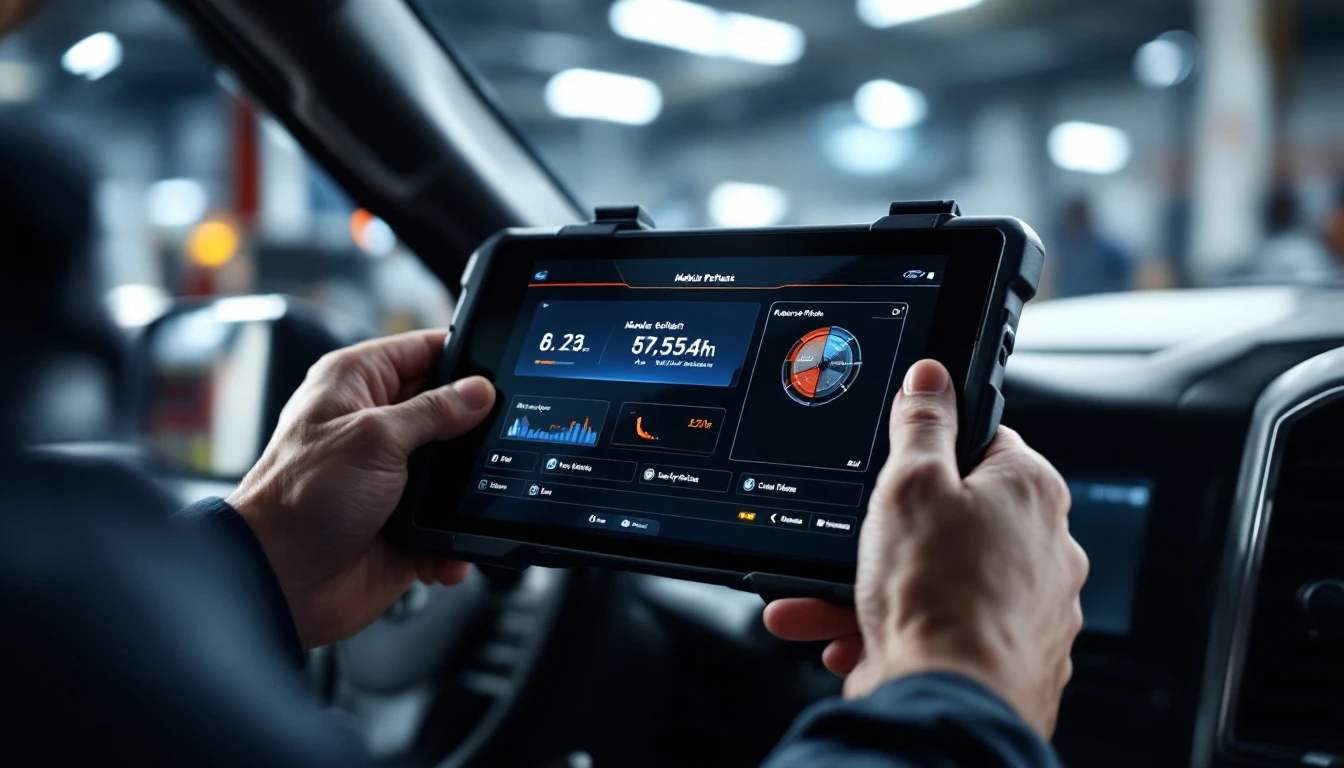
Every Ford and Lincoln built in the last two and a half decades has an immobilizer standing between your key and a running engine. Ford calls it PATS — the Passive Anti-Theft System — and it is the reason a lost-key or PCM-replacement situation on an F-150, Explorer, Escape, Mustang, Super Duty, or Lincoln is a programming job rather than a simple key cut. When the engine cranks strongly but dies within a second and the little theft light flashes, PATS is telling you it did not recognize the key.
This 2026 guide explains how PATS works, what the FDRS platform is and why it matters for PCM reflashing, the incode/outcode security handshake you will see referenced on these jobs, when a parameter reset is required, and what fair Fort Worth pricing looks like versus the dealership. It is the first dedicated Ford programming guide on this site, and it pairs with our Ford key replacement and programming article for the key-specific detail.
What PATS Actually Is
PATS is Ford's factory transponder immobilizer, standard across the Ford and Lincoln lineup since the late 1990s. The system has three core pieces: the transponder chip embedded in every key (or the proximity fob on push-button vehicles), a transceiver antenna at the ignition lock or a proximity antenna in the cabin, and the PATS control function — which lives in different modules depending on the platform.
On earlier vehicles PATS lived in a standalone module or the instrument cluster. On many modern Ford and Lincoln vehicles the immobilizer function is integrated into the Body Control Module (BCM) or a dedicated Restraint/Body domain controller, and it coordinates with the PCM over the vehicle network. Whatever module hosts it, the logic is the same: read the transponder, compare it to enrolled keys, and — only on a match — send the "authorized, allow start" message the PCM needs before it will keep the engine running.
That handshake between the PATS module and the PCM is the heart of everything that follows. Key programming teaches the PATS module a new transponder. PCM work has to re-establish the PATS-to-PCM relationship. Understanding that split is what keeps a Ford immobilizer job from turning into a guessing game.
The Symptoms You'll Actually See
Ford immobilizer trouble has a recognizable signature. The classic is crank-but-no-start with a fast-flashing theft indicator — the engine turns over normally but shuts off almost immediately because the PCM never received authorization. You may also see a solid or rapidly blinking security light at key-on, a "start-then-stall" that repeats on every attempt, or on push-button vehicles a "key not detected" message even with the fob in hand.
None of these are engine-mechanical faults. They are authentication failures, and the fix is on the security side: re-syncing a de-synced key, replacing a damaged transponder, enrolling a new key, or — if the module itself has failed — module replacement and programming. Our transponder key programming guide covers the enrollment side, and our ECU programming explainer covers the module-reflash side.
FDRS: Ford's Programming Platform
FDRS — Ford Diagnostic and Repair System — is Ford's current factory scan and programming software. It replaced the older IDS (Integrated Diagnostic Software) platform and is now the pathway for module programming, PCM calibration updates, and As-Built configuration on modern Ford and Lincoln vehicles.
The important thing for owners to understand is that FDRS reflashes are online operations. When a module is reflashed, the software pulls the correct calibration file and, where required, a security token from Ford's server in real time. That means two things: first, the work requires a live FDRS subscription and internet connection, not just capable hardware; and second, a shop without FDRS access or an equivalent credentialed pathway cannot complete a factory calibration flash even if it owns a good scan tool. This is the same broad picture we describe in our can a locksmith program an ECM/PCM and PCM programming near me articles — the credentials and server access are as much a part of the job as the tool.
Incode / Outcode: The Security Handshake
You will see "incode" and "outcode" referenced on Ford security jobs, and it worries some owners who assume it means something is being hacked. It is not.
Many PATS platforms protect security functions — like adding a key when no working key is present — behind a challenge-and-response pair. The vehicle generates an outcode, a challenge value unique to that session. The correct incode, the matching response, must be entered to unlock the operation. Professional equipment with the proper access generates the correct incode from the outcode. It is Ford's designed-in security gate, and completing it correctly is exactly how a legitimate specialist proves authorization to perform the work. Anyone claiming to skip the handshake entirely on a modern Ford is not doing it the right way.
PCM Reflash, Replacement, and Parameter Reset
Ford PCM work comes in a few distinct flavors, and knowing which one you need keeps the quote honest.
Calibration reflash (TSB / update). Ford issues calibration updates for driveability, shift quality, and emissions concerns through Technical Service Bulletins. An out-of-warranty vehicle can have the same calibration flashed through FDRS. This is a software-only job on an existing, healthy PCM.
PCM replacement — new. When a PCM fails and is replaced with a new service part, the module must be flashed with the correct calibration for your engine and transmission, configured with your vehicle's As-Built data, and then paired to PATS through a parameter reset before the engine will run.
PCM replacement — donor. A salvage-yard PCM can save money over new, but it carries the donor vehicle's configuration and immobilizer pairing. On Ford platforms the practical path is usually to reflash the donor unit with your vehicle's calibration and As-Built data and complete a parameter reset. Whether a given donor swap is clean or complicated depends on the year and platform — ask before you buy the module.
Parameter reset. This is the step that re-marries the PATS immobilizer and the PCM so they share the same security data. It is required after any PCM replacement or, on some platforms, after a PCM reflash. Once the reset completes, the keys are re-enrolled so the system recognizes them.
Ford & Lincoln Programming Jobs at a Glance
The table below maps the common Ford and Lincoln jobs to what they touch and the general pricing posture. As of July 2026, every figure is a range confirmed by an exact quote after we decode your VIN — Ford model-year variation is too wide for a single flat number to be honest.
| Job | What it touches | FDRS / online? | Pricing posture |
|---|---|---|---|
| Add spare key / fob (have a key) | PATS module | Usually no | Lower range, quoted after VIN decode |
| All-keys-lost key programming | PATS module (incode) | Often yes | Mid range, security access may add |
| Damaged transponder / re-sync | PATS module | No | Lower range |
| PATS module replace + program | PATS host module | Often yes | Mid–upper range, part cost varies |
| PCM calibration reflash (TSB) | PCM | Yes | Mid range, quote required |
| New PCM flash + config + parameter reset | PCM + PATS | Yes | Upper range, quote required |
| Donor PCM reflash + parameter reset | PCM + PATS | Yes | Upper range, platform-dependent |
The upper-range and "quote required" jobs are where dealer bay labor, per-flash software fees, and parts markup pile up. A mobile specialist prices the work flat and comes to the vehicle — but the honest caveat is that the newest platforms and certain security functions require live credentialed access, which is exactly why we confirm scope against your VIN before quoting.
How the Work Happens in Your Fort Worth Driveway
A mobile Ford programming visit follows a clear sequence. We connect professional Ford-capable equipment to the OBD-II port and decode the VIN to confirm the exact PATS configuration and PCM type. We identify whether the job is a key add, an all-keys-lost, a re-sync, a module replacement, or a PCM operation, and quote it before any work begins. For key work we complete the security access — the incode/outcode handshake where the platform requires it — enroll the transponder or fob, and verify with a start test and a clean scan. For PCM work we flash the correct calibration through FDRS, configure As-Built data, complete the parameter reset, and re-enroll the keys.
Voltage stability matters on every flash. As we explain in our ECU programming explainer, a module in a reflash state is vulnerable, so we hold stable voltage throughout to protect the module.
We cut and program Ford keys and handle the immobilizer and PCM side through our ECU programming and automotive locksmith services, with car key replacement for lost-key situations. Same-day mobile coverage reaches Fort Worth and the wider metro — see our car key replacement and transponder key programming service pages for what each visit includes. If you are locked out on top of the key problem, our emergency lockout service covers that too.
Why Dealership Is Not the Only Option
Ford dealers do PATS and PCM work well, but they bill it as bay labor at DFW dealer rates, mark up the module through the parts counter, and require the vehicle in their bay — which for a no-start means a tow and an appointment wait. They also generally will not reflash a donor PCM you sourced yourself; they program the new part they sell.
A mobile specialist comes to the vehicle, prices the job flat with no bay overhead, and can work with a donor PCM on platforms that support it. The trade-off to be candid about: some newer-vehicle functions require live FDRS or credentialed access, and not every platform makes a donor swap clean. That is precisely why we decode the VIN and confirm scope before quoting — so your number reflects your actual truck or car, not a best-case assumption.
What to Do Right Now
If your Ford or Lincoln cranks strongly but stalls immediately with the theft light flashing, stop cycling the key — repeated failed attempts do not help and can muddy the diagnosis. Get the PATS system scanned to determine whether you need a re-sync, a new key, or module work.
If you have lost all your keys, have the year, model, and VIN ready so we can decode the PATS configuration and quote the all-keys-lost job accurately. If a shop has recommended a PCM replacement, ask whether a donor reflash is workable on your platform before authorizing a new module. And if a dealer quoted a heavy four-figure PCM or immobilizer job, a second opinion from a mobile Ford programming specialist is worth the call.
To book mobile Ford PATS programming or a PCM reflash anywhere in the Fort Worth area, contact Fort Worth Locksmith & Computer Programming at (817) 668-3801 or contact@fwlocksmith.com. We are a mobile service, available 24/7, carrying Ford-capable equipment with credentialed access and NASTF Secure Data Release registration. Start at our contact page, learn more about us, or browse the full services list.
Frequently Asked Questions
What is Ford PATS and how does it work?
PATS stands for Passive Anti-Theft System — Ford and Lincoln's factory immobilizer. Each key carries a transponder chip. When you start the vehicle, a transceiver ring around the ignition (or the proximity antenna on push-button models) reads the chip and the PATS module compares it against the keys stored in memory. If the code matches, the module authorizes the PCM to deliver fuel and spark; if it does not, the engine cranks but stalls almost immediately and the theft light stays lit.
Can a locksmith program a Ford or Lincoln key instead of the dealer?
Yes. A qualified Fort Worth automotive locksmith with professional Ford-capable equipment can add keys, replace fobs, and perform all-keys-lost programming on the great majority of PATS-equipped Ford and Lincoln vehicles. For operations that require live manufacturer access — certain module reflashes and newer-vehicle security functions — we use credentialed FDRS access. The exact scope and quote are confirmed after we decode your VIN.
What is FDRS and why does it matter for PCM reflash?
FDRS is Ford Diagnostic and Repair System, Ford's current factory scan and programming software that replaced the older IDS platform. Module reflashes and PCM calibration updates on modern Ford and Lincoln vehicles are performed through FDRS with a live subscription and internet connection to Ford's server. A shop without FDRS access or an equivalent credentialed pathway cannot complete a factory calibration flash even with capable hardware.
What do 'incode' and 'outcode' mean on a Ford?
On many PATS platforms the security access uses a challenge-and-response pair. The vehicle presents an outcode (a challenge value), and the correct incode (the response) must be entered to unlock security functions such as adding a key when no working key is present. Professional equipment and credentialed access generate the matching incode. It is a normal part of the security handshake, not a workaround.
How much does Ford PATS key programming or a PCM reflash cost in Fort Worth?
As of July 2026, pricing is quoted as a range that depends on the vehicle year, key type, and whether the job is a simple key add, an all-keys-lost, a parameter reset, or a full PCM calibration flash. Straightforward transponder key adds sit at the lower end; all-keys-lost and PCM reflash work sit higher. Because Ford platforms vary so much across model years, we give an exact quote after decoding your VIN rather than a flat phone figure.
What is a PATS parameter reset and when is it needed?
A parameter reset re-establishes the immobilizer relationship between the PATS module and the PCM. It is required when the PCM is replaced or reflashed, or when the immobilizer and PCM lose their stored pairing, because both must agree on the same security data for the engine to run. After a parameter reset the vehicle's keys are re-enrolled so the system recognizes them again.
Are you licensed and credentialed to do Ford immobilizer work in Texas?
Yes. Automotive locksmith and immobilizer work in Texas is regulated by the Texas Department of Public Safety (DPS) Private Security Bureau, and security-sensitive Ford operations are gated through the National Automotive Service Task Force (NASTF) Secure Data Release credentialing system. We are a mobile service covering Fort Worth and the surrounding Tarrant County area 24/7.