2026 Used BCM Programming to VIN, Fort Worth Guide
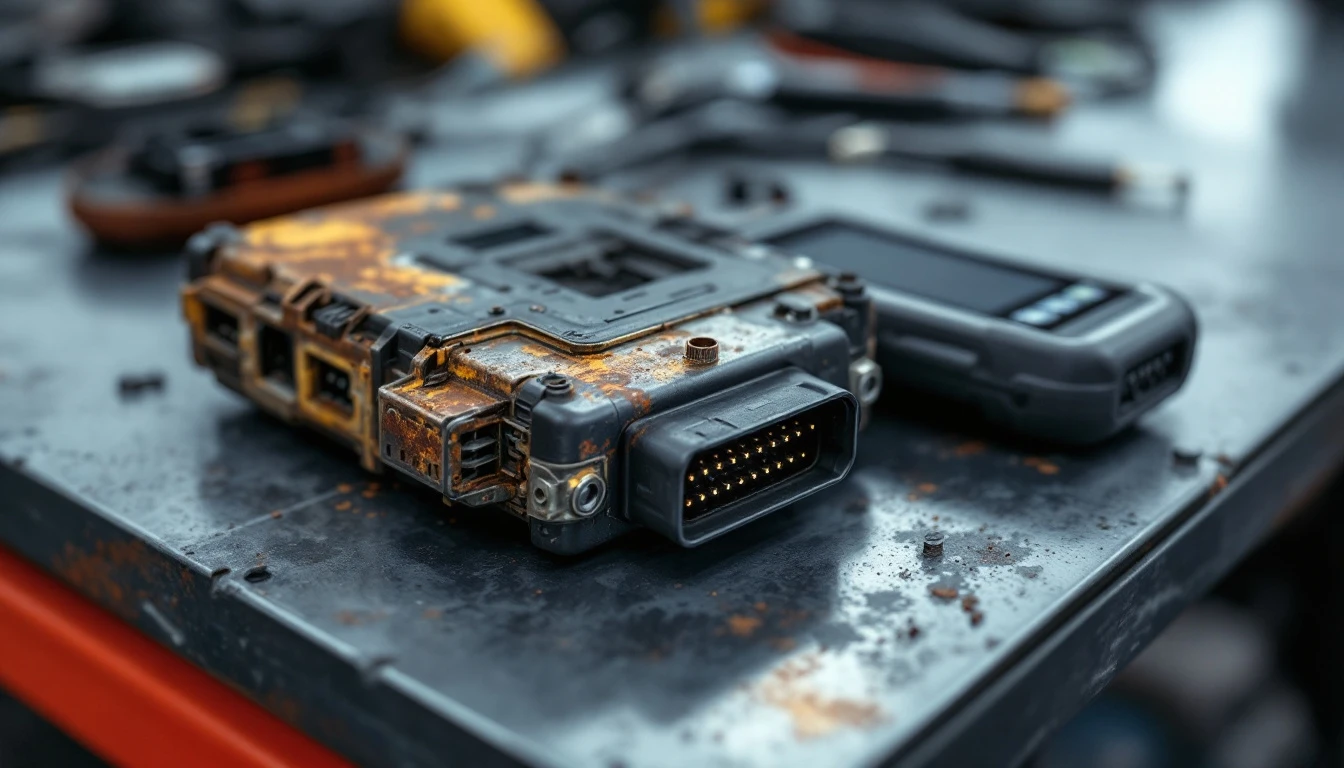
Replacing a failed Body Control Module (BCM) with a used one from a salvage yard is a popular way to save money — the part is often a fraction of the new-module price. But there is a catch that surprises a lot of DIYers: a used BCM does not simply plug in and work. It arrives carrying the donor vehicle's configuration and, on many platforms, its immobilizer security data, so it has to be reprogrammed to your VIN and re-synced to your keys before the car behaves. This 2026 guide explains why, what the process involves, and what to confirm before you buy a salvage BCM near Fort Worth.
If you have a used BCM in hand — or are deciding whether to buy one — our module programming service covers the VIN reconfiguration and immobilizer re-sync at your location.
Why a Used BCM Isn't Plug-and-Play
The BCM is the electrical hub for the body of the vehicle: lighting, wipers, locks, windows, chimes, and comfort features. Critically, it also stores vehicle-specific configuration — your VIN, your option content — and on many makes it participates in the immobilizer that authorizes the engine.
A donor module holds the other car's version of all of that. Install it as-is and you typically get one or more of:
- Body-electrical faults — features that do not match your car's options.
- A no-start — because the immobilizer data does not match your keys.
- Warning lights and mismatched configuration the vehicle rejects.
None of that means the used module is bad. It means the module has to be told which car it now lives in. That is exactly what used-module programming does — and it applies to the BCM just as it does to a used ECM or PCM.
What "Programming to VIN" Actually Does
Reconfiguring a used BCM to your vehicle generally involves:
- Writing your VIN to the module so it identifies as your car.
- Setting the option coding so the features match your vehicle's equipment.
- Re-syncing the immobilizer so your existing keys are trusted again (on platforms where the BCM holds security data).
On most vehicles the odometer is not a BCM concern — it lives in the instrument cluster — so mileage is generally not something the BCM carries over. The values that matter are VIN, option coding, and immobilizer data.
The Platform Question — The Most Important Check
Not every vehicle lets you reuse a BCM. Broadly, platforms fall into three camps:
- OBD-reprogrammable — the used BCM can be reconfigured to your VIN and re-synced over the diagnostic port. The straightforward, lower-cost case.
- Bench-level required — the module has to be read and rewritten at the bench (EEPROM work) to accept your VIN. More involved, higher cost.
- VIN-locked — the platform ties the BCM to its original VIN so tightly that a used module cannot be adapted; a new module is the only path.
This is why the single most valuable thing you can do is confirm your platform before buying a salvage BCM. Buying a module from a VIN-locked platform, or one that needs bench work you did not budget for, is the most common and most avoidable salvage-BCM mistake. A quick check up front saves the wasted purchase.
How Used BCM Programming Works
A mobile specialist works through:
- Confirm the part matches your exact year, make, model, and options — part number where possible.
- Verify platform support for reprogramming a used BCM to your VIN.
- Reconfigure the module: write VIN, set option coding.
- Re-sync the immobilizer so your keys are trusted (where the BCM holds security data).
- Verify with a clean scan, a start, and a function check of the affected features.
A stable power supply protects the module during writes. For realistic timing, see our programming time guide. Related brand-specific BCM work is covered in our Ford BCM/SecuriLock and Nissan/Infiniti BCM/immobilizer guides.
Used BCM Programming: 2026 Fort Worth Pricing
As of July 2026, here are typical DFW mobile ranges for the programming labor. The used module part is separate.
| Job | Typical range | Notes |
|---|---|---|
| BCM reconfigure to VIN (OBD) | $150–$350 | Immobilizer re-sync where required |
| BCM programming needing bench work | Quote after diagnosis | EEPROM-level platforms |
| VIN-locked platform | New module required | Confirmed before you buy the used part |
| New BCM programming (alternative) | $150–$350 | When a new module is the smarter path |
Bench-level jobs are quoted after diagnosis because the difficulty depends on the platform. And when a new module programs faster and more reliably than adapting a used one, we will tell you — sometimes the honest math favors new once you add programming labor to a cheap salvage part. Our module programming cost guide goes deeper on the trade-offs.
New vs. Used: The Honest Math
A used BCM saves on the part, but the total cost is part plus programming plus any bench work. On some platforms, a new module — which arrives blank and programs cleanly — costs a bit more up front but avoids the risk of a donor module that turns out to be VIN-locked or needs unexpected bench work. A responsible specialist walks you through both numbers before you commit, rather than pushing the option that happens to bill more. Our scam-avoidance guide covers how to tell an honest quote from a bait one.
Dealer or Locksmith for Used BCM Work?
You usually do not need the dealer to reconfigure a used BCM. A mobile specialist with the correct platform support does it on site, typically for less than dealership bay-labor rates. The dealer is the right call on tightly locked platforms and warranty-covered failures. Our dealer vs. locksmith module programming guide covers when each one wins.
Fort Worth Locksmith & Computer Programming is a mobile, 24/7 service-area business serving Fort Worth and Tarrant County. We handle the full spread of control-module work — BCM, ECU/PCM, TCM, and immobilizer — so a vehicle with more than one module issue can be sorted in one visit.
Credentials and Compliance
Reprogramming a BCM and re-syncing an immobilizer means writing to a vehicle's configuration and anti-theft data, so legitimacy is essential. In Texas, automotive locksmiths operate under the Texas Department of Public Safety (DPS) Private Security program and a reputable specialist verifies vehicle ownership before performing any immobilizer work. Secure OEM access, where required, is coordinated through the National Automotive Service Task Force (NASTF), and the anti-theft standards these systems follow are published by SAE International.
A Buyer's Checklist Before You Order a Salvage BCM
Most failed used-BCM projects trace back to a decision made before the part shipped. Run this checklist first and you avoid the common traps:
- Confirm your platform allows a used BCM at all. Some vehicles VIN-lock the module. If yours does, a salvage part is a dead end no matter how good it looks — buy new instead. This is the single most important check.
- Match the part number, not just the model. BCMs vary by trim, options, and mid-cycle hardware revisions. A module that "fits a 2016 of the same model" may still be the wrong part number. Get the exact number off your original module where possible.
- Match the options. Even the right part number should come from a vehicle with similar equipment — the option coding is easier and cleaner when the donor was configured similarly.
- Budget for programming, not just the part. The advertised part price is half the story. Add the VIN reconfiguration and immobilizer re-sync labor to get the real total.
- Ask the seller about returns. If the platform turns out to be VIN-locked or the part number is wrong, you want to be able to send it back.
Doing this homework up front is the difference between a salvage BCM that saves real money and one that becomes an expensive paperweight.
When New Actually Beats Used
It runs counter to intuition, but a used BCM is not always the smart buy. On some platforms, a new module programs faster, more reliably, and with less risk than adapting a donor part — and once you add the extra labor a used module sometimes needs (bench work, a difficult re-VIN), the "cheap" salvage part can end up costing as much as new with more headaches.
An honest specialist runs both numbers for you — used part plus programming versus new part plus programming — and tells you which actually wins for your specific vehicle, rather than steering you toward whichever bills more. Sometimes the salvage route is clearly the value play; sometimes new is genuinely the better deal once all the labor is counted. Knowing which before you spend is exactly what a quick platform check delivers, and it is the kind of straight advice that separates a trustworthy provider from one chasing the ticket — a theme we return to in our scam-avoidance guide. We are happy to weigh it with you before you buy, anywhere across Fort Worth and Tarrant County.
Frequently Asked Questions
Can a used BCM be programmed to my car?
On many vehicles, yes. A used or salvage BCM carries the donor vehicle's configuration and, often, immobilizer data, so it has to be reconfigured to your VIN and options and re-synced to your keys before it works. Whether your specific year and platform supports this over OBD, needs bench-level work, or is locked entirely depends on the vehicle — which is why you confirm support before buying the module.
Why won't a junkyard BCM just plug in and work?
A body control module stores vehicle-specific configuration — options, VIN, and on many platforms immobilizer security data. A donor module arrives holding the other car's settings, so on install you typically get electrical faults, a no-start, or an immobilizer mismatch. Reprogramming it to your VIN and re-syncing the immobilizer is what turns a donor module into a working one.
Is a used BCM cheaper than a new one?
The part usually is, which is why people buy salvage BCMs. But the total cost is the used part plus the programming labor to reconfigure it to your VIN, and on some platforms bench-level work. On vehicles where a new module programs faster and more reliably, the savings can shrink. We help you weigh part cost plus programming before you commit to a salvage module.
How much does used BCM programming cost near Fort Worth?
As of July 2026, BCM programming and VIN reconfiguration typically falls in the $150 to $350 range, with immobilizer re-sync included where the platform requires it. Platforms that need bench-level EEPROM work sit higher and are quoted after diagnosis. The used module part is separate. We give an all-in programming quote after confirming your year, make, and model.
Will a used BCM keep the donor car's mileage or settings?
It can arrive with the donor's configuration, but reputable programming reconfigures the module to your VIN and options. The BCM itself does not store your odometer on most platforms — that lives in the instrument cluster — so mileage is generally not a BCM concern. Option coding, immobilizer data, and VIN are the values that must be corrected.
Do I have to go to the dealer to program a used BCM?
Not usually. A mobile specialist with the correct platform support can reconfigure a used BCM to your VIN and re-sync the immobilizer on site. The dealer is the right call when the platform locks the module tightly or when the fix is warranty-covered. A specialist will tell you honestly if your vehicle is one the dealer must handle.
What should I confirm before buying a used BCM?
Confirm the module matches your exact year, make, model, and options, and — most important — that your platform allows a used BCM to be reprogrammed to your VIN rather than being VIN-locked. Match the part number where possible. Buying the wrong module or one from a platform that locks the BCM is the most common salvage-BCM mistake, and it is avoidable with a quick check first.
Have a used BCM to program, or thinking about buying one, in Fort Worth? Call or text Fort Worth Locksmith & Computer Programming at (817) 668-3801. Tell us your year, make, and model, and we will confirm whether your platform supports a salvage module — and give you an all-in programming quote before you spend a dollar on the part.