Toyota & Nissan Ignition Repair Cost in Fort Worth (2026)
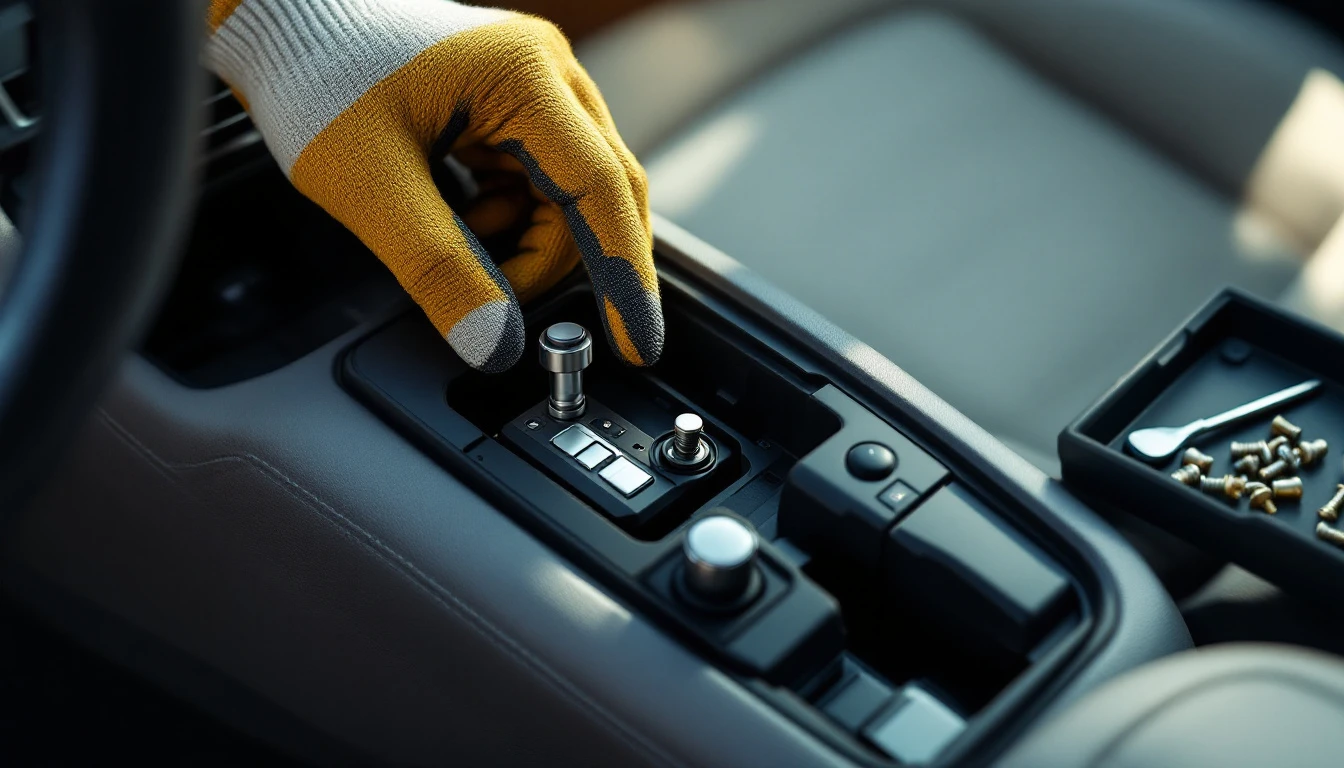
As of November 2026, Toyota and Nissan ignition repair in Fort Worth typically costs $150 to $400 for a turn-key lock cylinder repair or replacement, plus $120 to $250 if a new coded transponder key is needed. Push-button and twist-knob systems have no cylinder, so they are priced by the part that failed and quoted after diagnosis. The ignition type decides the price, not the badge.
That matters because Toyota and Nissan have both sold the same model in three different ignition styles within a few years of each other. A 2012 Camry, a 2016 Camry and a 2022 Camry can each fail in a completely different way and cost a completely different amount to fix. This guide prices the work the way it is actually done: by ignition type and by the part that has failed.
We are a mobile-only service, so every repair below happens where the vehicle is parked, anywhere in Fort Worth and the surrounding Tarrant County area. For the service itself, see our ignition repair page.
Toyota and Nissan Ignition Repair Cost by Ignition Type
The table is the whole answer in one place. Find the row that matches how your car starts, then read across.
| Ignition type | Typical Toyota / Nissan models and years | What usually fails | Mobile specialist price |
|---|---|---|---|
| Turn-key lock cylinder, rebuild and re-key to your key | Older Corolla, Camry, Tacoma, Altima, Sentra, Frontier | Worn wafers, sticking or hard-to-turn cylinder | $150–$400 |
| Turn-key cylinder replacement | Same families, after a theft attempt or cracked housing | Broken tailpiece, damaged housing | $150–$400 plus the part |
| New coded transponder key with the repair | Any turn-key model with a worn original | Rounded blade, cracked head | add $120–$250 |
| Electrical ignition switch behind the cylinder | Key turns normally, dash stays dead or cuts out | Burned or worn contacts | Quote after diagnosis |
| Push-button start (smart key) | Newer Camry, RAV4, Highlander, Altima, Rogue, Pathfinder | Start switch, antennas, steering lock unit, fob | Quote after diagnosis |
| Smart key replacement or spare | Same push-button models | Lost or failed fob | $250–$650+ |
| Twist-knob Intelligent Key ignition | Many Nissan and Infiniti models | Knob switch, steering lock unit, receiver | Quote after diagnosis |
| Steering column damage | Any model, forced or stripped column | Bent shaft, broken housing | Quote after diagnosis |
Two rows carry fixed bands because they are well-defined jobs. The rest are quoted because the failed part is not known until someone looks at it. We would rather say that plainly than hand you a number over the phone that moves when we arrive.
The Three Ignition Systems You Will Meet
Turn-key with a lock cylinder
This is the ignition most people picture. A metal key with a transponder chip in its head turns a lock cylinder, which rotates an electrical switch behind it. The cylinder is a purely mechanical part with wafers that wear. The switch is an electrical part with contacts that wear. They fail separately and are repaired separately.
Most older Toyota and Nissan cars and trucks use this system, and it is where the $150–$400 cylinder band applies. The same band covers rebuilding a worn cylinder so it works with your existing key, or replacing the cylinder and keying it to match. Rebuilding is the less expensive path and the one we try first when the housing is intact.
Push-button start
On a push-button car there is no lock cylinder to repair. The car checks for a valid fob over short-range antennas in the cabin, confirms the brake is pressed, and releases the steering lock. A push-button no-start is therefore almost never "the ignition" in the old sense. It is a chain of conditions, and any broken link stops the car.
That chain is why push-button repair is quoted after diagnosis. The failed part might be as cheap as a fob battery or as involved as an antenna or a steering lock unit. If you want to understand the electronics behind it, our guide to push-button start not working walks the whole chain.
Twist-knob Intelligent Key
Many Nissan and Infiniti models use a round knob that you twist, rather than a button you press. It behaves like a push-button system, because the car authenticates the fob wirelessly, but it has a physical switch and a steering lock behind the knob. The knob switch can wear, and the steering lock unit can fail in the same way it does on a push-button car. Pricing follows the same rule: diagnosed first, quoted second.
What Changes the Price Inside a Row
The ranges above are wide on purpose. These are the variables that move your number.
1. Rebuild versus replace
A cylinder that is simply worn can usually be rebuilt with new wafers and re-keyed to the key you already have. A cylinder with a cracked housing, a snapped tailpiece or damage from a pry attempt has to be replaced. Replacement adds the part, and the part cost varies by model. The labor is similar either way.
2. The condition of your key
A worn key and a worn cylinder look identical from the driver's seat. Before we pull anything, we check the key. A key rounded smooth by years of use will not lift the wafers cleanly, and replacing it can end the problem for far less than a cylinder. This is the first thing to rule out, and it is also why we recommend trying a spare key before you call. Our guide on what happens when your only key is worn and failing explains how to tell the difference.
3. Cylinder versus electrical switch
The part you turn and the part that carries current are separate. If the key turns normally and the car stays dead, or if the accessories cut out when you bump the column, the electrical switch is the suspect. That is a different part and a different price, and it is one reason a flat quote over the phone is unreliable.
4. Immobilizer handshake
Both Toyota and Nissan use a transponder in the key that must be recognized by the vehicle before the engine will run. A repair that touches the key, the cylinder or the security module can require the key to be re-registered. If it does, the programming is part of the job and is included in the visit, not added as a surprise. For the module side of this, see Nissan and Infiniti BCM and immobilizer programming and Toyota and Lexus smart-key all-keys-lost reset.
5. Theft damage
A column that has been forced, a cylinder that has been pulled, or a housing that has been pried all move the job from repair to rebuild. Those vehicles are quoted after inspection, because the damage behind the trim is not visible until the cover comes off.
6. Time and place
Mobile service means the repair rate is the same whether the car is in a Fort Worth driveway or a lot in Burleson. A dealership adds a tow, a day or more in the shop, and hourly bay labor. In our area dealership labor commonly runs about $165–$215 per hour before parts, so the gap widens quickly on anything that takes more than a short visit.
Toyota Models and What Usually Fails
This is a general pattern guide, not a promise. We confirm every vehicle by year and trim before quoting.
Corolla and Camry. Older turn-key cars show cylinder wear first, usually as a key that needs a jiggle or turns reluctantly. Newer trims with push-button start fail at the fob, the start switch or the steering lock rather than at a cylinder.
Tacoma and Tundra. Trucks collect heavy keychains, and the weight loads the cylinder every time the truck bounces. Expect wear-related cylinder repair on older turn-key trucks. Later models with smart keys follow the push-button logic above. Our Toyota Tundra and 4Runner spare key guide covers the key side of those trucks, and the Toyota RAV4 and Camry spare key guide does the same for the cars and crossovers.
RAV4 and Highlander. Mixed fleet: some years are turn-key, later years are push-button. This is the model family where the year matters most, because the same name spans both. A VIN settles it quickly.
Hybrids. A hybrid that will not "start" may simply be in a state where the dash shows Ready or not. A hybrid that seems dead can be a 12-volt battery issue rather than an ignition fault, so the battery is checked first. See our Toyota and Lexus hybrid inverter and battery module guide for the module side.
Nissan Models and What Usually Fails
Altima and Sentra. Both span turn-key and Intelligent Key generations. Turn-key cars show cylinder and switch wear. Intelligent Key cars show fob, knob switch and steering lock faults. If the dash flashes a security lamp, the key and the immobilizer are the first place to look.
Rogue and Pathfinder. Later years are almost entirely Intelligent Key. The common complaint is a car that will not start with the fob in range, which is usually the fob battery, the vehicle battery or the steering lock unit.
Frontier and Titan. Trucks behave like the Toyota trucks: cylinder wear on turn-key years, push-button logic on later ones.
Infiniti. Mechanically the same families with more electronics and, in some cases, quote-required pricing. See Nissan and Infiniti key replacement and programming for the key side.
Free Checks Before You Pay for a Repair
Several of the most common "ignition problems" are not ignition problems at all. Run these first, because they cost nothing.
- Fob battery. On a push-button or Intelligent Key car, a weak coin cell can make the car ignore the fob. Your owner's manual shows how to hold the fob against the start button as a backup.
- Vehicle battery. A weak 12-volt battery produces a dim dash, clicking and a car that will not wake. Test or jump it before blaming the ignition.
- Brake pedal. The car will not start unless the brake switch signals, so a failed brake light switch can mimic a dead ignition.
- Steering lock. Wiggle the wheel gently while turning the key or pressing the button. A loaded lock bar is a free fix.
- Spare key. If the spare works, the original is worn.
- Open recalls. Check your vehicle identification number on the NHTSA recall lookup before paying for a repair a manufacturer may already owe you.
If all six come back clean and the car still will not respond, the fault is in the ignition hardware, the immobilizer or the keyless system, and a diagnosis is the right next step.
When the Ignition Is Not the Problem
A recurring pattern: a car that starts and then dies, or flashes a security light, gets blamed on the ignition when the fault is in the immobilizer or the engine module. If your car cranks and then shuts off, read our guide to a car that starts then immediately dies before paying for a cylinder. If a repair has already been done and the car cranks but will not run, see ignition replaced, cranks but won't start.
Mobile Repair Versus the Dealership
A dealership will repair a Toyota or Nissan ignition, and for some warranty or recall situations that is the right place. For a cost-driven repair it comes with trade-offs. The vehicle usually has to be towed if it will not start. The repair is booked into a service schedule. Labor is billed hourly, and parts are priced at dealership markup. A mobile specialist comes to you, completes most ignition repairs in a single visit, and charges the bands in the table above.
Texas locksmith licensing runs through the Department of Public Safety Private Security Program, and we work to that standard on every call. If you want the broader comparison, our locksmith versus dealership car key replacement guide covers it.
How to Get an Accurate Number Before Anyone Is Dispatched
Three pieces of information turn a range into a quote:
- The year and trim. The same model name spans turn-key and push-button cars, and only the year settles which.
- What the car does. Does the key turn and nothing happens, does it not turn at all, or does a light flash? Each points to a different part.
- Whether the spare works. It is the cheapest diagnostic you have.
With those, a Toyota or Nissan ignition quote becomes a number instead of a band. For key and fob work on the same vehicles, see car key replacement and the make pages for Toyota and Nissan. To book a visit, call (817) 668-3801 or use the contact page.
Frequently Asked Questions
How much does Toyota ignition repair cost in Fort Worth?
As of November 2026, a lock cylinder repair or replacement on a turn-key Toyota is typically $150 to $400 from a mobile specialist, and a new coded transponder key adds $120 to $250 if the old key is worn. Push-button Toyotas have no cylinder, so the work is priced by the part that failed and is quoted after diagnosis. Which line applies depends on the year and trim, not the model name alone.
Why is my Nissan push-button start not working?
The most common causes are a weak fob battery, a weak vehicle battery, a brake switch that is not signaling, or a steering lock that has not released. Check those first, because they cost little or nothing. If the car still will not respond, the fault may be in the start switch, the steering lock unit or the keyless receiver, and each of those is diagnosed before any part is quoted.
Is a Nissan ignition problem a key problem or a switch problem?
Try the spare key first. If the spare turns smoothly and starts the car, the original key is worn and a new key is the fix. If both keys behave the same way, the lock cylinder or the electrical switch behind it is the suspect. A key that turns normally while the dash stays dark points to the electrical switch rather than the cylinder.
Can you repair a Toyota ignition without replacing the whole column?
Almost always. The ignition cylinder and the electrical switch are separate parts that mount to the column, so a repair normally involves one of them, not the column itself. A forced or damaged column from a theft attempt is the exception and is quoted after inspection. We tell you which applies before any work begins.
Do I need a new key after my ignition cylinder is replaced?
Not always. A worn cylinder can often be rebuilt and re-keyed to the key you already carry, which keeps your existing key working. A replacement cylinder is keyed to match, and the transponder chip in your key stays registered to the immobilizer. If the original key is worn or cracked, we cut and program a new one at the same visit.
How long does a Toyota or Nissan ignition repair take?
A cylinder repair or replacement on a mobile call typically takes one to two hours on site, depending on how much of the column cover has to come off. Electrical switch work and push-button diagnostics take about the same. Theft damage or a column repair takes longer and is scheduled after we inspect the vehicle.
Will my car need to be towed for an ignition repair?
No, in almost every case. We are a mobile-only automotive service and complete ignition repairs where the vehicle is parked, including driveways, parking lots and roadsides around Fort Worth. A tow only enters the picture if the steering column is damaged so badly that the vehicle cannot be safely worked on in place.