Toyota & Lexus Smart Key All Keys Lost — Fort Worth (2026)
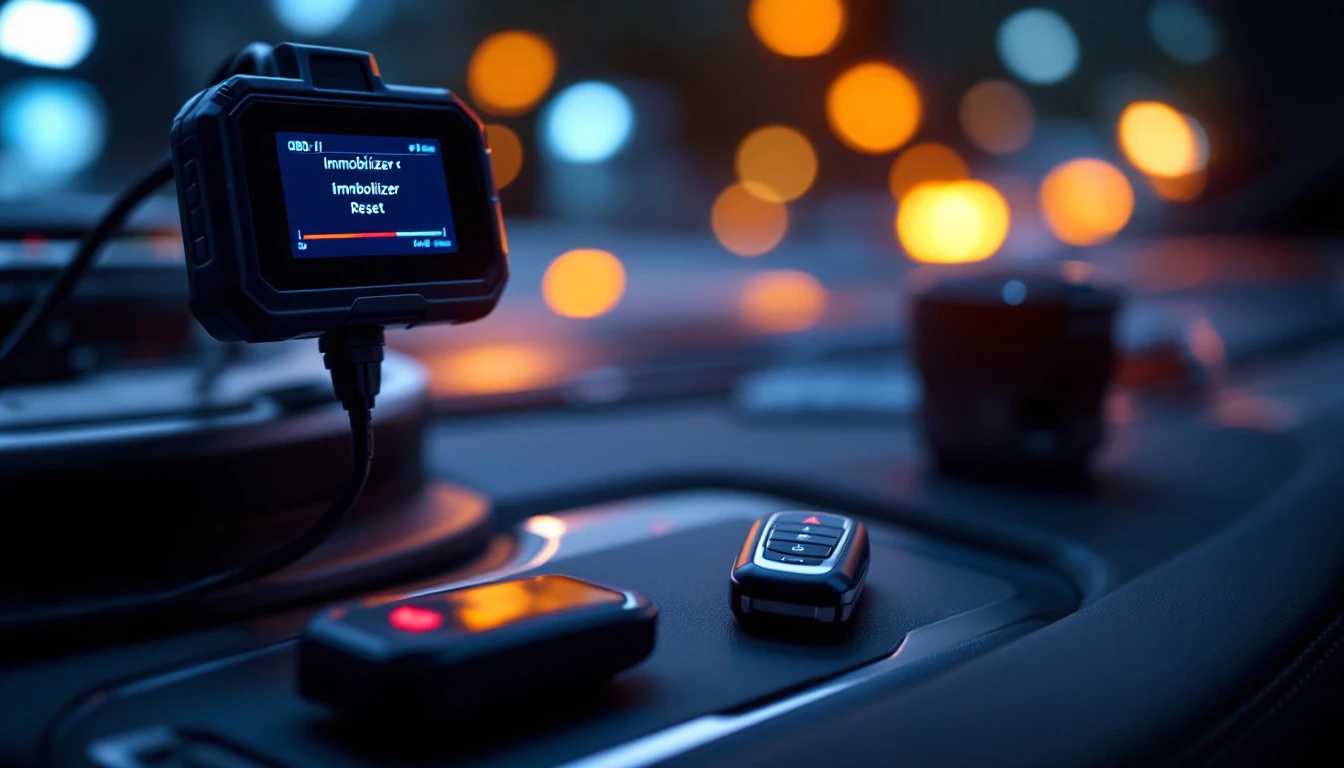
Losing every key to a Toyota or Lexus is a stomach-drop moment — especially with a push-to-start Smart Key, where there's no old-fashioned lock to fall back on. The reassuring reality, as of July 2026, is that a qualified mobile locksmith can almost always get you back on the road right where your car sits in Fort Worth, without a tow to the dealership and without the multi-day wait to order a fob. Toyota and Lexus share one of the most well-understood immobilizer architectures in the industry, and the all-keys-lost (AKL) procedure — reset the immobilizer, work through the security wait timer, register fresh keys — is a routine, repeatable job for the right specialist.
This guide explains how Toyota and Lexus Smart Key all-keys-lost actually works: the immobilizer reset and wait-timer process, the difference between add-key and AKL, why Smart Access proximity systems behave the way they do, why AKL costs more than a spare, and where mobile service beats the dealer. Our Toyota key service and Lexus key service both cover the full range from bladed transponder keys to modern proximity fobs.
Toyota and Lexus Key Systems, Briefly
Toyota and Lexus (Lexus is Toyota's luxury division, so they share immobilizer engineering) have used transponder-based anti-theft for a long time, evolving through several generations of immobilizer chips — commonly referred to by technicians as the G, H, and later AES-based systems. Two broad key types matter for a lost-key situation:
- Bladed transponder keys. Older Corolla, Camry, Tacoma, RAV4, and many others use a metal key with an embedded transponder chip. You insert and turn it; the immobilizer reads the chip and authorizes the engine. These fall under our transponder key programming service.
- Smart Key / Lexus Smart Access proximity fobs. Push-button-start Toyotas and Lexus models use a proximity fob you keep in your pocket. Antennas detect the fob, an encrypted rolling-code exchange authenticates it, and pressing START with your foot on the brake fires the engine. There is no blade in an ignition cylinder — though the fob hides a mechanical emergency blade for the door. These are handled through our smart key programming service.
Knowing which system your vehicle uses — and its immobilizer generation — is the first thing a locksmith establishes, because it dictates the tools and the procedure.
Add-Key vs All-Keys-Lost: The Defining Difference
The single biggest factor in what a Toyota or Lexus key job costs and how long it takes is whether any working key still exists.
Add-key is the easy path. You still have at least one functioning Smart Key and simply want a spare. Because a working key keeps the immobilizer authenticated, registering an additional key is a quick, low-risk operation. This is the cheapest possible scenario, and it's exactly why buying a spare before you lose one is the smartest money you can spend.
All-keys-lost (AKL) is the hard path. With no working key, there's no authenticated session to lean on. The locksmith must reset the immobilizer into a state that will accept brand-new keys, work through the platform's security wait timer, and then register every new key from scratch. This requires advanced equipment — devices such as the Autel IM608 or MaxiSys, Smart Pro, or Lonsdor K518, and in some cases specialized Toyota/Lexus tooling — plus the skill to run the reset correctly. More time, more tools, more expertise: that's why AKL sits at the top of the price range. Our car key replacement service covers the full AKL workflow.
The Toyota / Lexus Immobilizer Reset and Wait Timer
Here's the part that surprises many owners. Toyota and Lexus built a deliberate anti-theft delay into many of their immobilizer platforms. When the system is reset to accept new keys with none currently present — the exact situation in all-keys-lost — it enforces a security wait timer before it will register a new Smart Key.
On many G- and H-generation platforms this timer is commonly around sixteen minutes, and on some systems it can be longer or must be repeated. During this window the locksmith's tool stays connected and the vehicle sits in a defined security state, counting down, before key registration can complete. This is not a locksmith stalling — it's the vehicle's own theft deterrent doing exactly what Toyota engineered it to do. A thief can't beat it any faster than a legitimate technician can, which is the point.
The practical takeaway for you as the owner: an honest AKL time estimate for a Toyota or Lexus includes that wait, so the whole job commonly runs one to two hours even though the actual "work" is shorter. If you're stranded somewhere in Fort Worth, plan for that window rather than expecting a five-minute miracle.
Once the timer clears, the locksmith registers the new Smart Keys, clears the previous (lost) key data from memory so those keys can never start the car again, cuts the mechanical emergency blade to your door lock, and tests every function.
Toyota & Lexus AKL Pricing in DFW
Here's how mobile locksmith pricing compares with the dealership for common Toyota and Lexus key scenarios. These are 2026 DFW ranges; your exact model, year, and immobilizer generation determine where you land.
| Scenario | Mobile locksmith | Dealership | Notes |
|---|---|---|---|
| Add-key spare (bladed transponder) | $120–$220 | $220–$400 | Existing key authenticates |
| Add-key spare (Smart Key proximity) | $250–$450 | $420–$720 | Registered while a key still works |
| All-keys-lost (bladed transponder) | $180–$280 | $340–$560 | Immobilizer reset + new pairing |
| All-keys-lost (Smart Key proximity) | $350–$650 | $600–$1,000 | Reset + wait timer + registration |
| Emergency door blade only | $65–$130 | $150–$260 | Cut by code, no immobilizer |
The mobile advantage is consistent: a dealer route almost always runs 40–70% higher once you add a tow, two to three hours of bay labor at $185–$260 per hour in DFW, and module or software-access fees — and the dealer frequently makes you wait days for a fob to arrive. A mobile locksmith comes to your location, carries Toyota and Lexus fobs and blanks on the truck, and does add-key and AKL on site. Newest-model Lexus Smart Access and the latest Toyota platforms are the exception that may push toward "quote after diagnosis," which a technician flags up front.
Why Smart Access and Smart Key Feel Different
Lexus markets its proximity system as Smart Access, and Toyota calls its version Smart Key, but under the badge they're the same family of keyless entry and push-button start. A few behaviors trip owners up:
- A dead fob battery mimics a lost key. If your only fob's battery dies, the car may seem "keyless-dead." Most Toyota and Lexus vehicles let you start the engine by holding the fob directly against the START button, and the emergency blade opens the door. If that doesn't restore function, the fob or immobilizer may need attention.
- The car unlocks but won't start. As with any immobilizer vehicle, if the doors respond to the fob but the engine won't fire, the radio side works and the problem is immobilizer authentication — a re-registration or replacement fob, not a whole new system.
- Lexus fobs are often pricier. Smart Access fobs on luxury Lexus models can cost more than the equivalent Toyota fob, which is part of why Lexus AKL lands higher in the table above.
Which Toyota and Lexus Models We See Most
Across the Fort Worth area, a handful of Toyota and Lexus models account for most of the all-keys-lost and add-key calls, and each has its own quirks.
Camry and Corolla — America's best-sellers, so they dominate the call volume. Older generations use bladed transponder keys; newer ones commonly run Smart Key push-button start, and both are routinely serviceable on site.
RAV4 and Highlander — Popular family SUVs where owners frequently want a second Smart Key for shared driving. Add-key while you still have a working fob is the smart, inexpensive move here.
Tacoma and Tundra — Trucks that see hard, dusty use around North Texas job sites, where keys get lost or damaged. Many are Smart Key equipped on later trims, transponder on earlier ones.
Lexus ES, RX, and NX — The luxury side, using Smart Access proximity fobs that can cost more than the Toyota equivalent, which is why Lexus AKL sits at the top of the pricing table. The immobilizer procedure is the same family, but the fob hardware drives the price.
Prius — The hybrid's push-button Smart Key is well understood, and all-keys-lost is a standard job for a properly equipped mobile specialist.
In every case, the technician confirms your exact year and immobilizer generation by VIN before quoting, because a mid-cycle change can shift the procedure.
How a Mobile AKL Visit Goes
Whether you're stranded at a TCU-area apartment, an Alliance office lot, or in your own driveway, a professional Toyota or Lexus all-keys-lost visit follows a clear sequence:
- Verify the vehicle and ownership. The technician confirms your VIN, identifies the key type and immobilizer generation, and checks proof of ownership — registration or title plus ID. This is standard, ethical practice and protects you.
- Connect and read the immobilizer. A professional programmer connects to the diagnostic port to assess the security state and confirm AKL capability for your exact platform.
- Reset and run the wait timer. The immobilizer is reset to accept new keys, and the security wait timer runs its course.
- Register new Smart Keys. Once the timer clears, the locksmith registers your new fobs and clears the lost keys from memory so they can't start the car.
- Cut the emergency blade and test. The mechanical blade is cut to your door lock, and the technician verifies engine start, remote functions, and door operation on every new key.
Fort Worth Locksmith & Computer Programming is a mobile, 24/7 operation licensed by the Texas DPS Private Security Bureau, serving Fort Worth and the broader DFW metroplex. We come to you, day or night.
An Honest Note on the Newest Models
We won't over-promise. While the overwhelming majority of Toyota and Lexus vehicles on North Texas roads are fully serviceable by a mobile locksmith for both add-key and all-keys-lost, the newest platforms — roughly 2020 and later on certain models — have tightened their security and can require dealer involvement or extended bench-level procedures. The responsible approach is for a technician to confirm your exact model, year, and immobilizer type before committing to an on-site AKL, and to tell you plainly if your vehicle is one of the outliers. That honesty is worth more than a promise that falls apart in your driveway.
What to Do Right Now
If you've lost all your Toyota or Lexus keys, don't tow first — call a mobile locksmith and give your exact model, year, and whether it's push-button Smart Key/Smart Access or a bladed key, so the right tooling arrives on the first trip and you get a realistic time estimate including the wait timer. If you still have one working Smart Key, order a spare now while it's an inexpensive add-key rather than an expensive emergency. And if your fob unlocks the doors but won't start the car, that's an immobilizer or fob issue a specialist can usually resolve without a full replacement.
For mobile Toyota and Lexus all-keys-lost, immobilizer reset, and Smart Key programming anywhere in the Fort Worth area, contact Fort Worth Locksmith & Computer Programming at (817) 668-3801 or contact@fwlocksmith.com. For more detail, see our Toyota key replacement and programming guide and our deep dive on immobilizer programming for all-keys-lost.
Frequently Asked Questions
How much does a Toyota or Lexus all-keys-lost smart key cost in Fort Worth?
As of July 2026, a smart-key all-keys-lost job in DFW typically runs from the mid-hundreds up toward $650 or more, versus a simple add-key when you still have a working smart key, which is cheaper. Lexus Smart Access fobs and newer Toyota platforms sit at the higher end. A dealership is generally 40–70% more once you add a tow and bay labor.
Why does all-keys-lost cost more than adding a spare?
When you have a working smart key, the immobilizer is already authenticated, so a new key is simply registered. All-keys-lost has no authenticated session, so the locksmith must reset the immobilizer to a state that accepts new keys and register them from scratch — often through a built-in security wait timer. More tooling, more time, and more skill are required, which raises the price.
What is the Toyota and Lexus security wait timer?
Many Toyota and Lexus immobilizer platforms include an anti-theft delay: when the system is reset to accept new keys with none present, it enforces a timed waiting period — often around 16 minutes, sometimes longer — before it will register the new smart key. It's a deliberate deterrent against theft, and a legitimate locksmith simply works through it as part of the procedure.
Can a mobile locksmith really do a Toyota all-keys-lost, or do I need the dealer?
A properly equipped mobile locksmith can perform all-keys-lost on the large majority of Toyota and Lexus vehicles right where your car sits — no tow required. The main exception is the newest platforms, roughly 2020 and later on some models, which can require dealer or extended bench-level procedures. A technician confirms your exact model and year before committing.
What's the difference between add-key and all-keys-lost?
Add-key means you still have at least one working smart key and want a spare — the fastest, cheapest scenario. All-keys-lost (AKL) means no working key exists at all, so the immobilizer must be reset and every key registered fresh. AKL requires the security wait-timer process and more advanced equipment, so it costs and takes more.
How long does a Toyota or Lexus all-keys-lost job take?
Plan on roughly one to two hours. The immobilizer reset and security wait timer alone can add fifteen minutes or more before registration even begins, and then the locksmith cuts the emergency blade, registers the new smart keys, and tests everything. Add-key spares are much faster, often under an hour.
Will a new smart key stop my lost keys from starting the car?
Yes. During an all-keys-lost reset, the previous key data is cleared from the immobilizer, so any lost or stolen smart key can no longer start or authorize the vehicle. Only the newly registered keys will work. This is an important security benefit of doing the job properly rather than just cutting a mechanical blade.