Security Light Flashing When the Car Is Off: Normal or a Fault? (2026)
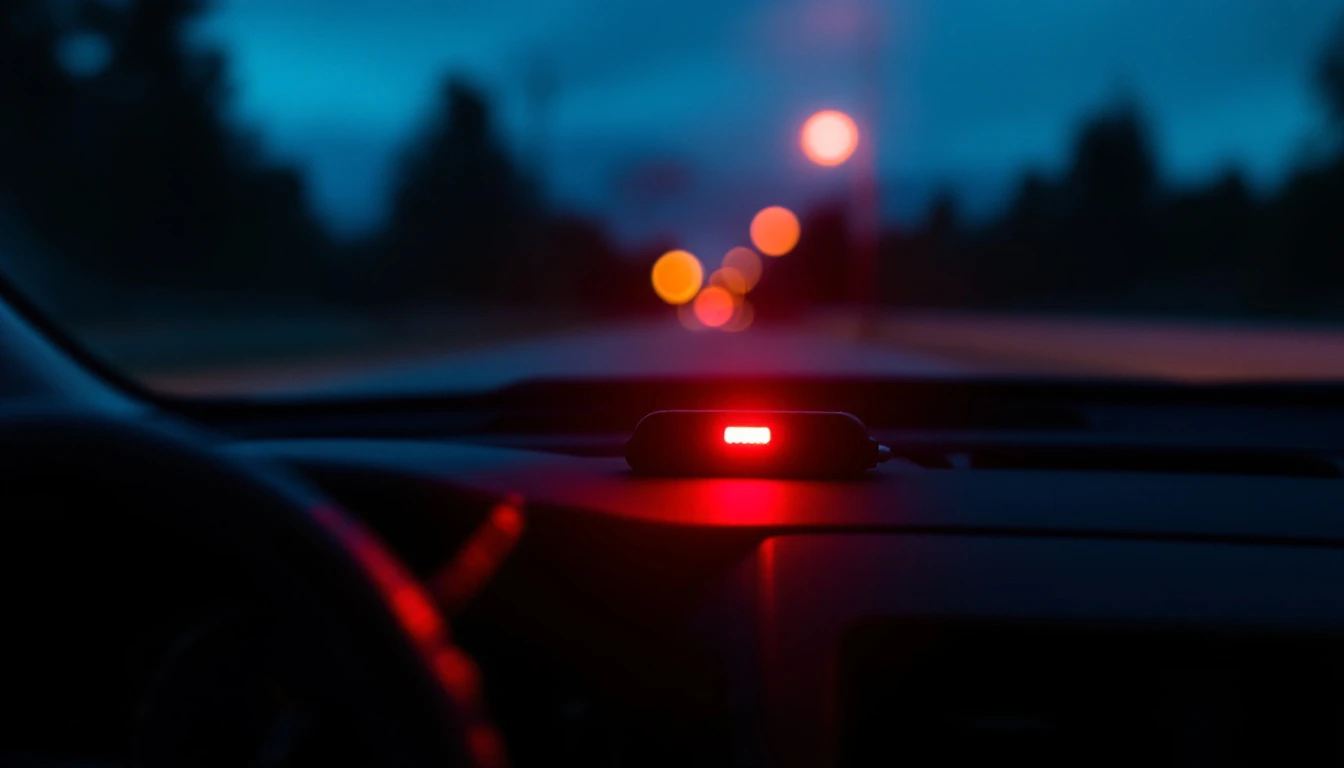
As of November 2026, a slow blinking security light on a parked, locked car is normal on most vehicles. It is the immobilizer telling you it is armed. A fast flash, a light that stays solid, or a light that appears with a no-start or a dead battery is a fault. Most faults trace to a key, a battery or a module, and the cheapest causes come first: a fob battery or a weak car battery. Repair work that needs programming typically runs $120 to $500 in Fort Worth, depending on whether it is a key, the body module or the engine module.
This guide helps you sort normal from not normal, lists the causes in the order we check them, and shows what each fix costs. If the light is flashing and your engine starts then dies, see our Dodge, Jeep and Ram security light guide for that specific pattern.
What the Security Light Actually Tells You
The security or immobilizer light is a status lamp for the vehicle's anti-theft system. Almost every car built in the last twenty-five years has one, and it has two jobs.
When the car is parked and locked, the light flashes slowly to show the system is armed. It is a deterrent as much as a status indicator: a would-be thief sees a car that is protected.
When you put the key in or press the start button, the light should turn off within a second or two. That is the immobilizer confirming the key. If the light stays on, or flashes quickly, the car has not accepted the key and the engine control module will usually refuse to run the engine.
So the same lamp does two different things, and the meaning depends on what the car is doing when you see it.
Normal Versus Not Normal: A Quick Test
Use this list to sort what you see. It is a first read, not a diagnosis.
- Slow, steady blink, parked and locked: armed indicator, normal. Do nothing.
- Light on briefly at key-on, then off, car starts: normal key check. Do nothing.
- Light solid with key on, car will not start: key not accepted. Try the spare key and check both batteries.
- Fast flash with key on, car cranks and dies: key or module mismatch. See the causes below.
- Blinking with a dead battery in the morning: a module that is not sleeping or a current draw. Check for a drain.
- Light stays on while driving: a system fault. Get a scan.
- Light flashes after battery or key work: the key may not have been relearned. Re-register the key.
If your light is in the first two rows, you are done. If it is in any other row, keep reading.
Causes, in the Order We Check Them
We check the cheap and common causes first, because a dead battery costs far less than a module.
1. The fob battery. On a push-button car, a weak fob battery can leave the car unable to read the key. The fix costs the price of a battery. The car's backup method (holding the fob against the start button or a marked slot) often still works, and it is worth trying before you call anyone.
2. The car's 12-volt battery. Low voltage makes modules misbehave. A security light, a stuck-on dash and a slow crank are a classic low-battery combination. Jump-starting can mask the problem and leave the light on. See our guide to a car acting up after a dead battery or jump start for the pattern.
3. The key itself. A worn key, a cracked key head or a chip that has failed will not be recognized. Try your spare. If the spare starts the car and the main key does not, the main key is the problem. Our guide to one key starting the car and the other not covers that case.
4. A key that was never learned. After a new key is cut, it has to be registered to the car. A key that turns but does not start, with the security light on, usually has not been programmed. See what to do when a car says wrong key after a battery replacement in the fob.
5. The key reader or antenna. The ring around the ignition, or the antenna in the cabin of a push-button car, reads the key. If it fails, the car sees no key at all.
6. The body control module. The BCM often manages the security handshake. A fault, a software mismatch or a water-damaged module can leave the light on. Our BCM programming near me page and what BCM programming is and when it is needed explain the repair.
7. The engine module. If the engine computer is a replacement or a used unit that was not matched to the car's immobilizer, the light stays on and the engine will not run. Many drivers ask can a locksmith program an ECM or PCM; for most platforms the answer is yes. See used ECM and PCM programming to VIN and new module installed but the car still will not start.
8. An aftermarket device. A remote starter, an alarm or a tracker wired into the ignition can interfere. Our remote start module programming guide explains how those installs interact with the immobilizer.
The Battery Drain Connection
A flashing security light and a battery that is dead in the morning often show up together, and people assume one causes the other. The little blinking indicator draws almost nothing, so it is rarely the thief of your battery. What usually happens is that the same underlying fault is causing both.
A module that does not go to sleep keeps drawing current after the car is locked. A door, hood or trunk switch that thinks something is open can keep the car awake. An aftermarket device can draw current continuously. Any of these can also keep the security system in an odd state, so the light acts strangely.
If your battery dies overnight, read our guide to a car battery that dies overnight from a keyless-system module drain. If the car also shows a flashing light, mention both symptoms when you call. They point the diagnosis in the same direction.
What You Can Safely Check Yourself
These checks are safe and take about fifteen minutes.
- Try the spare key. If the spare works, the first key is the problem and the car is fine.
- Replace the fob battery. A coin cell costs a few dollars and removes a common cause.
- Check the car battery. Look for corrosion and loose terminals. A parts-store battery test is usually free and quick.
- Remove aftermarket devices you can see. A dash camera or charger plugged into the power outlet can keep a car awake. Unplug them overnight.
- Try the backup start method. Many push-button cars start if the fob is held against a marked spot.
- Note what the light does. Slow, fast, solid, with the key on or off. Describing it accurately saves diagnosis time.
Avoid long relearn rituals pulled from forum posts. Some cars lock the system for a longer period after a failed attempt, and a procedure that works on one model can be harmful on another. If the simple checks do not clear the light, the next step is a scan.
Realistic Cost Range in Fort Worth
The cheapest fix is often a battery. The ranges below are typical mobile-locksmith charges in Fort Worth as of November 2026 and match the bands used across this site. Anything not listed is quoted after diagnosis.
| Cause and fix | Typical Fort Worth cost | Notes |
|---|---|---|
| Fob battery | Cost of the battery | Do-it-yourself in minutes |
| Car battery test or replacement | Parts-store price | Often free to test |
| Replacement transponder key, cut and programmed | $120–$250 | Chip registered to the car |
| Push-button smart key | $250–$650+ | Proximity registration |
| Body control module programming | $150–$350 | Only if diagnosis points there |
| Engine module programming (immobilizer side) | $150–$500 | Replacement or used module |
| Used engine module married to VIN | $325–$1,200 | Depends on platform |
| Luxury or complex platform | Quote required after diagnosis | Module-level work |
For more on what each module job involves, see our used module programming cost guide and car computer module programming cost. If your scan tool cannot even connect, our scan tool will not connect guide explains why.
A Few Patterns Worth Recognizing
Some combinations are worth naming because they save diagnosis time. A light that flashes only after the car sat for several days, with a slow crank, is almost always the battery. A light that began the day a new key was cut points to registration. A light that began after a collision, a flood or an interior water leak points to a module or its wiring. A light that only appears in hot weather can be a failing connector or reader. When you call, describing which of these matches your car lets us tell you the likely cost before we arrive.
When to Call a Pro
Call a professional when:
- The spare key and a healthy battery do not clear the light.
- The car cranks and dies, or will not crank, with the light on.
- The light stays on while driving.
- You have had a battery, key, ignition or module repair recently and the light started after.
- You cannot tell whether the problem is the key or the car.
We are mobile across Fort Worth and the DFW area, and we diagnose before selling parts. If the fix is a key, you pay for a key. If it is a module, you hear that first. We verify ownership before any immobilizer work, and licensing for Texas locksmiths is administered by the Texas DPS Private Security Bureau.
See our module programming service and transponder key programming pages, the Fort Worth service area, or call (817) 668-3801.
A Note on Safety and Honesty
On older GM cars a bypass or relearn can be a legitimate repair for a failed sensor; our GM VATS and Passlock guide explains when. Security systems exist to stop theft, so we handle them carefully. A locksmith should ask for registration, a title or a photo ID that matches the vehicle before any immobilizer work, and a good one declines when ownership is unclear. Locksmith scams are a real problem, and our guide on how to avoid locksmith scams shows what to look for. If a technician offers to "just bypass the light" without checking who you are, that is a red flag.
Frequently Asked Questions
Is it normal for the security light to flash when the car is off?
Yes, on most cars a slow, steady blink while the car is parked and locked is the armed indicator and is normal. It tells you the immobilizer is active. A fast flash, a solid light that does not go out, or a light that flashes with the key in the ignition and the car will not start is a fault worth checking.
Why is my security light flashing and my car will not start?
The immobilizer is not accepting the key. Common causes are a dead fob battery, a worn or damaged chip, a weak car battery, a key that was never programmed, or a fault in the body control module or key reader. Try the spare key and a fully charged battery first, then get the system scanned.
Can a flashing security light drain my battery?
The blinking indicator itself draws very little current. A battery that dies overnight alongside a security light fault usually points to a module that is not going to sleep, a door or hood switch fault, or an aftermarket device. The light and the drain share a cause more often than one causes the other.
How much does it cost to fix a security light problem in Fort Worth?
As of November 2026 a mobile locksmith in Fort Worth typically charges $120 to $250 to program a replacement transponder key, $150 to $350 for body control module programming, and $150 to $500 for engine module work when diagnosis points there. The cheapest fix is often a battery. Anything beyond a key or battery is quoted after diagnosis.
How do I reset the security light myself?
Try the spare key, replace the fob battery, and make sure the car battery is healthy. Some cars allow a timed relearn by leaving the key on for a set period, but procedures vary by make and a wrong attempt can lock the system longer. If the light persists, a scan is the safe next step.
Can I just disable the security system?
On some older vehicles a bypass or relearn is a legitimate repair, such as the GM Passlock procedure. It is a repair for a failed component, not a way to defeat theft protection on a car you do not own. We verify ownership before any immobilizer work.