One Key Starts the Car, the Other Doesn't: Causes and Fixes (Fort Worth)
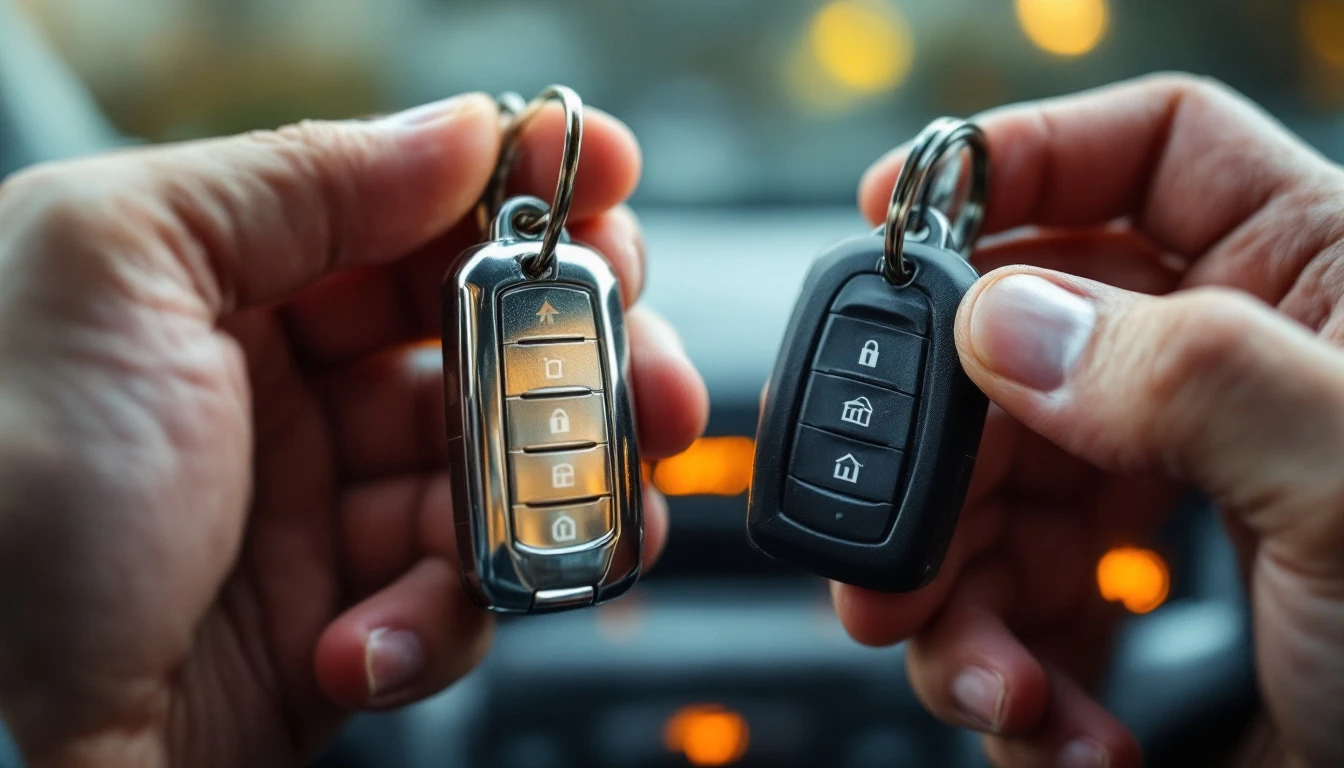
If one key starts your car and the other turns the lock but will not start it, the problem is almost never the lock. As of November 2026, the usual fix in Fort Worth is programming the second key to the car, typically $120 to $250 on a chip-key vehicle and $250 to $650 or more on push-to-start. A chip, battery or programming fault is the cause in most cases.
What You Are Seeing, and What It Means
The symptom has a few versions. The second key unlocks the doors and turns in the ignition, but the engine will not crank, or cranks and dies. The dash shows a flashing key or lock light, or a "key not detected" message. Or the reverse: your main key quit, and the spare you rarely use still works. In every version the car is telling you that its immobilizer accepts one key and rejects the other.
That is a useful fact, because it narrows things down. If the engine runs on one key, the starter, battery, fuel system and engine computer are working. A dead battery or a failing starter would affect every key. So you are not diagnosing the car; you are diagnosing the key, or the car's memory of the key. There is a short list of reasons, and you can sort most of them in a driveway.
Before the detail, one reassurance and one warning. The reassurance: this is among the cheapest module-related problems to fix, because you already have a working key. The warning: do not keep experimenting by cycling the ignition dozens of times or by trying random key sequences found online. On some vehicles repeated failed attempts trigger a lockout timer or, in rare cases, a lock on programming. If the usual checks below do not help, stop.
Likely Causes at a Glance
| Cause | How it looks | Who fixes it | Typical Fort Worth cost |
|---|---|---|---|
| Second key never programmed | Spare turns the lock but never started the car | Locksmith | $120–$250 chip key, $250–$650+ push-to-start |
| Transponder chip damaged or wrong type | Key worked once, now does not; dropped or wet | Locksmith | Replacement key included in the above ranges |
| Dead or weak fob battery (push-to-start) | "Key not detected" message; fob works near the start button | You, or locksmith | Battery only, then programming if needed |
| Key cut from a worn original | Hard to turn, sticks, or does not turn fully | Locksmith | Recut key plus programming if needed |
| Key list wiped or changed | Both keys stopped, or older key stopped after a new key was added | Locksmith | $150–$500 module-side work on many vehicles |
| Immobilizer reader or module fault | Every key fails intermittently, security light stays on | Locksmith with scan tool | Diagnosis first; quoted after |
Step 1: Rule Out the Easy Causes
Start with the free checks. They take about ten minutes and often settle it.
Look at the key. Compare the failing key with the working one. Are the blade shapes the same? Does the plastic head have the same bulge or mark? Many vehicles use different chips in different years, and a key bought for the wrong year can fit the lock perfectly and still never start the car. A key that was dropped, run through a wash, or sat in a hot dash may have a cracked head and a damaged chip.
Check the fob battery. On a push-to-start car, a weak coin cell is the most common reason a spare "stops working," especially a spare that has sat in a drawer for years. The classic tell is that the doors lock and unlock weakly or only at very short range. Replace the battery with the correct type before you condemn anything else. If you want a deeper walkthrough, our key fob not working troubleshooting guide covers it, and the wrong key message after a fob battery replacement post covers the case where a new battery was fitted and the message appeared afterward.
Try the backup start position. Many push-button vehicles have a spot on the steering column, in the cupholder, or on the console where a dead fob can be held against the start button. If the spare starts the car when held there and not otherwise, the fob's radio is weak and the chip is fine.
Test the other direction. If the main key is the one that failed, try the spare in the same way. If the spare starts the car, the problem sits in the main key. If neither works, jump to Step 4.
Watch the dash light. A flashing security or key symbol while you try the bad key tells you the immobilizer is active and does not recognize it. A solid, steady symbol for a few seconds followed by a normal start on the good key is how things should look. If there is no light at all on the bad key, the chip may be unreadable.
Step 2: Was the Second Key Ever Programmed?
This is the single most common cause. A key that has never been programmed to the car is a decorated piece of metal. It cuts the lock, it opens the doors on some vehicles, and it never starts the engine.
It happens more than you would expect. A spare was bought online or from a kiosk and "worked" in the door. A used car came with a second key that the previous owner never registered. A dealer copied the blade but did not program the chip. Or a key was programmed to a different vehicle of the same make.
You can often tell from the history. If the spare has never started the car, it was never programmed. If the key came with a used car and nobody tested it, same thing. The fix is to register it, which on a standard transponder vehicle is the $120 to $250 job and on push-to-start is $250 to $650 or more. If a working key is available, the vehicle can usually be programmed directly. See our transponder key programming guide for how that works and spare key cost by key type for what to expect.
Step 3: A Key That Used to Work and Stopped
If the spare worked last year and does not today, the cause is a change, not a flaw. Look for the change.
A new battery or a battery disconnect. On some vehicles, losing power can disrupt the body control module's memory. More often a dead battery coincides with a weak fob. Our post on the car acting up after a dead battery or jump start lists what to check when electronics misbehave after power loss.
A module replacement. If the body control module, ignition switch, or engine computer was replaced or repaired, the key list may have been rebuilt with only the keys that were present. A spare left in a drawer was not registered during that job. That is why we recommend bringing every key you own to any module or ignition job. Our BCM programming vs replacement guide explains how that kind of work affects the key list.
An ignition replacement. The same logic applies. If the key is also stuck or hard to turn, see key stuck in the ignition. A new ignition lock cylinder may be re-keyed to a new key; the old keys no longer fit unless the work was done to match them. If your car stopped recognizing one key after ignition work, read our post on an ignition replaced that cranks but will not start.
Keys added and old ones erased. On some vehicles, when a new key is programmed, the process clears all older keys unless every key is programmed at the same time. A locksmith or dealer who added one key without registering the others can leave a spare dead without anyone noticing. This is a known behavior on some makes, and it is why we always ask for all keys at the start of a visit.
Physical damage. A key that was bent, crushed in a car door, or exposed to water can lose its chip. A cracked head is a good indicator.
Step 4: When Both Keys Stop Working
If neither key starts the car, you have moved out of this guide's main symptom. Both keys failing suggests the car's reader, immobilizer module, or key list is the problem, not a single chip. Check for a flashing security light, and see whether the dash lights and electronics behave normally. If the battery is weak, fix that first. If everything else is healthy and both keys are refused, the vehicle's immobilizer or ECM needs a scan. Our posts on the engine starting and then dying with a flashing security light, the car that starts then immediately dies and the push-button start not working diagnostic cover that situation.
Step 5: What a Locksmith Does on Arrival
A technician starts by reading the vehicle's immobilizer data with a scan tool. That shows how many keys the car has registered, whether the failing key is in the list, and whether the immobilizer is reporting a fault. From there the path is usually one of four.
- The key is fine, the car does not know it. The technician registers the key. This is a short job, typically done in under an hour at your location.
- The chip is bad. A new key is cut and programmed, and the old key may be retired.
- The key list needs rebuilding. All keys are programmed in one session so none are dropped. That is the case when a past job wiped the list.
- The reader or module is at fault. The technician quotes the repair after diagnosis. It may involve the ECM, BCM or a keyless module. Our immobilizer programming all keys lost post covers the larger rebuild.
None of this requires towing. We are mobile-only, so the work happens where the car is parked.
Realistic Cost Range
As of November 2026, in Fort Worth, these are the ranges we use. They are consistent with our other cost pages and include the key, cutting and programming where applicable.
- Programming an existing key with a good chip: typically $120 to $250 on transponder vehicles and $250 to $650 or more on push-to-start.
- A replacement key when the chip is damaged: included in the ranges above, because the replacement is the key you pay for.
- Rebuilding the key list in a single session after a module job: often $150 to $500 where the engine module or body module has to be accessed.
- A fob battery: a few dollars for the cell, which is why it is worth trying first.
- A reader, module or keyless-system fault: quoted after diagnosis.
- Luxury, European and gateway-protected vehicles: quote required after diagnosis.
If you also want a spare cut during the same visit, the second key is an incremental charge, not a second full price. For a broader view of replacing a key, see our car key replacement cost guide.
What You Can Do While You Wait
- Keep the key that works safe. Do not leave it as your only key. If you must drive, do not turn the car off somewhere you cannot afford to be stranded.
- Do not clone or copy the working key at a kiosk if it is a chip key. Copying a copy compounds wear, and a bad clone can confuse the system.
- Do not buy a replacement blank until you know your key type. The wrong profile cannot be fixed.
- Take a photo of both keys, the VIN and the dash light when you call. That shortens the diagnosis.
- Gather proof of ownership. We ask for registration or title and ID every time, because programming a key is a security procedure.
When to Call a Professional
Call us when the spare has never started the car, when the key looks damaged, when changing the fob battery did not help, when both keys fail, or when the problem started after a battery, module or ignition job. Fort Worth Locksmith & Computer Programming is mobile-only and available 24/7 at (817) 668-3801. Our automotive locksmith services overview lists everything we do. You can read about our transponder key programming service, the smart key programming service, our Fort Worth service area, or use the contact page. If your only working key is also worn, our guide on what happens when your only key is worn and failing explains why getting a spare done now saves money.
Frequently Asked Questions
Why does one of my keys start the car and the other doesn't?
The most common reasons are that the second key was never programmed to the vehicle, its transponder chip has failed or is the wrong type, its fob battery is dead on a push-to-start car, or the key was cut from a worn original. A key that unlocks the doors but will not start the engine is usually a chip or programming problem rather than a cutting problem.
Can a key work in the door but not start the car?
Yes. The blade only turns the lock. The immobilizer separately checks the chip inside the key. A copy with no chip, an unregistered chip or a damaged chip will unlock the car and turn the ignition but the engine will not start, or will start and stall within a second or two.
My spare key worked before and now it doesn't. What changed?
Common triggers are a replaced battery or body module, a key that was dropped or exposed to water, a weak fob battery, or a past programming session that wiped the key list. On some vehicles, adding new keys erases old ones unless all keys are programmed together.
How much does it cost to fix a spare key that won't start the car?
As of November 2026, in Fort Worth, programming an existing, working-chip key to the car typically runs $120 to $250 on transponder vehicles and $250 to $650 or more on push-to-start vehicles. If a replacement key is needed, that cost is included in those ranges. Complex or luxury vehicles are quoted after diagnosis.
Is it safe to keep driving with only the key that works?
You can, but you are one lost or damaged key away from an all-keys-lost situation, which costs more than a spare. If the working key is also worn or failing, treat it as urgent. Getting the second key programmed while the first still works is the cheapest fix.
Can I program the second key myself?
On some older vehicles you can, with two already-working keys and a sequence in the owner's manual. Most vehicles from the last decade need a programming tool, and a failed attempt can sometimes lock the key list. If you are not sure, stop and call.
Do you come to my location to fix this?
Yes. Fort Worth Locksmith & Computer Programming is mobile-only and available 24/7. The key is tested, programmed or replaced where the car is parked. Bring both keys, the vehicle registration or title and your ID.