Mazda CX-50 & CX-30 Key Replacement and Immobilizer Programming (2026)
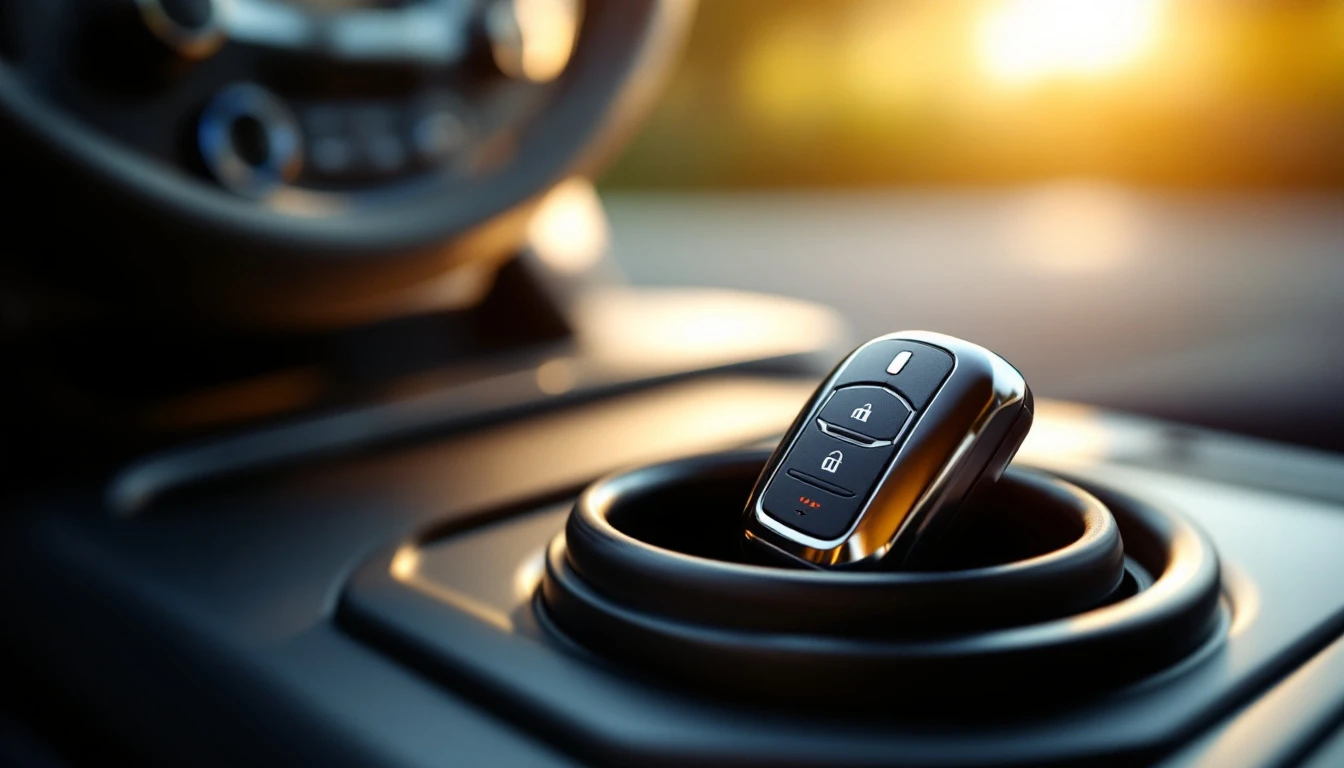
Modern Mazdas are pleasant vehicles to work on and unusually easy to misdiagnose. The CX-50 and CX-30 both use advanced keyless entry with a proximity fob, and when one of them refuses to start, the symptom looks identical whether the cause is a two-dollar fob battery or an actual immobilizer fault. As of August 2026, a programmed proximity smart key for either model runs $250–$650 or more in the Fort Worth market — which makes it worth spending thirty seconds ruling out the cheap causes before anyone orders a fob.
This article walks the diagnosis in the order that actually saves money, then explains what a real key job on these vehicles involves.
How Mazda's Keyless System Works
The proximity fob does three separate jobs, and each can fail independently.
Remote functions — lock, unlock, liftgate — are active radio transmissions. They need the fob's own coin-cell battery to work, and they are what people notice first when that battery dies.
Passive entry is the short-range handshake that lets you touch the door handle and have the vehicle unlock because the fob is in your pocket. This also relies on the fob having power.
Immobilizer authentication is the security layer. Before the engine will run, the vehicle interrogates a transponder inside the fob and confirms it belongs to this car. This is the part that keeps working even when the fob battery is flat, because at very short range the vehicle can energize the transponder directly — which is exactly what the backup start position exploits.
Mazda's immobilizer plays the same architectural role that Ford's PATS system plays on Ford products: a stored set of authorized transponder identities that the engine management consults before allowing the vehicle to run. The implementations differ, but the concept is the same, and so is the practical consequence. A fob that is physically perfect but not enrolled in that set will unlock the doors all day and never start the engine.
The Four-Step No-Start Diagnosis
When a CX-50 or CX-30 will not start, work through these in order. Most owners find their answer in the first two.
Step one: try the backup start position. Every Mazda with push-button start has a designated location — described in your owner's manual — where you hold the fob so the vehicle can read the transponder at close range without the fob's battery. Hold it there and press the start button with your foot on the brake. If the engine starts, you have a dead fob battery and nothing else. Replace the coin cell and you are finished. No programming, no locksmith, no expense.
Step two: check the vehicle's twelve-volt battery. A weak main battery produces some of the most convincing false immobilizer symptoms in the business. The dash lights up, the fob is recognized, and then the start sequence fails or modules report communication errors. On modern vehicles with many networked modules, voltage sag during cranking causes behavior that looks like a security fault and is not. If the vehicle has been sitting, or the battery is more than a few years old, test it before diagnosing anything else.
Step three: consider the immobilizer antenna or receiver. If the backup position also fails and a second known-good fob behaves the same way, the problem has moved from the key to the vehicle. The antenna coil or the receiving module may have failed. Buying another key here spends money on the wrong end of the fault.
Step four: the key genuinely is not recognized. A physically damaged fob, water intrusion, or a transponder that has failed. This is the case where a replacement key is the correct answer — and it is the last thing on the list, not the first.
Our general diagnostic walkthrough for push-button start not working covers this sequence across makes if you want the broader version.
Spare Key vs All Keys Lost
The cost and time of a Mazda key job come down to whether you have one key that currently starts the vehicle.
Adding a spare to an existing set is the straightforward case. The vehicle has an authenticated key to work from, the new fob is enrolled into the accepted set, and the emergency blade inside the fob is cut to your vehicle. On most current Mazdas this is a same-visit job in your driveway.
All keys lost is the longer path. Without an authenticated key there is no simple add-mode, so the immobilizer has to be accessed to establish a first key. This requires the right equipment and legitimate secured access, and it takes meaningfully longer. It is still routinely achievable on most current Mazda models — but "most" is doing real work in that sentence, and the specific car gets read before anyone promises a result.
The smart key all-keys-lost guide covers the general push-to-start AKL process, and our Mazda-specific coverage of smart key and immobilizer programming goes into the make's procedures in more depth.
The Blade Nobody Thinks About
Inside almost every proximity fob is a small mechanical emergency blade. It exists for one scenario: the vehicle's twelve-volt battery is flat, the electronics are dead, and you need to physically open the driver's door.
That blade has to be cut to your vehicle. It is easy to skip — the fob works perfectly without it and you may never use it — and it is the thing owners discover was skipped at the worst possible moment, standing in a parking lot with a dead car and a key that cannot open the door.
A complete key job cuts the blade. If a provider quotes you a "programming only" price on a proximity fob, ask whether the emergency blade is included.
What the Job Costs
| Scenario | What is involved | Typical range |
|---|---|---|
| Spare proximity key, one working key present | Enroll fob, cut emergency blade, verify all keys | $250–$650+ |
| All keys lost, proximity system | Access immobilizer, establish first key, cut blade | Upper end of $250–$650+ |
| Fob battery only | Coin cell replacement, no programming | Minimal, often owner-serviceable |
| Immobilizer antenna or receiver fault | Diagnosis then component repair | Quoted after diagnosis |
| Vehicle behind a security gateway | Additional authorized access required | Confirmed at the vehicle |
The spread within the range is driven mostly by fob hardware, which varies by model and configuration, and by whether the job is an add or an all-keys-lost. Anything that turns out to be a vehicle fault rather than a key fault is quoted after diagnosis, because it is a different repair with different parts.
The Security Gateway Trend
One thing worth flagging on newer Mazdas, because it is changing across the whole industry rather than at one manufacturer.
A security gateway is a module positioned between the diagnostic port and the vehicle's internal networks. It typically allows broad read access — so emissions testing, code reading, and general diagnostics still work — while restricting write access to authorized tools presenting valid credentials. That means the operations that change the vehicle's security state, including key enrollment, require legitimate authorization rather than merely a capable scan tool.
This is a reasonable security design and independent professionals work within it rather than around it. Access to secured manufacturer data by identity-verified independent technicians is governed through the National Automotive Service Task Force Vehicle Security Professional registry, which is the established path for exactly this situation.
What it means practically: whether a specific Mazda sits behind a gateway is determined by reading the vehicle, not by looking at the badge. It is one of the things checked before a firm commitment is made on an all-keys-lost job.
Ownership Verification
Every key job on these vehicles touches the immobilizer, which means proof of ownership comes before anything else. Expect to present a government-issued photo ID together with registration, title, or insurance showing the matching name.
This is not optional and it is not a formality. It applies to a routine spare just as much as to an all-keys-lost. In Texas, locksmith and access-control companies operate under the Texas Department of Public Safety Private Security Bureau, and a provider willing to program a key into a vehicle you cannot tie to your name is a provider you should not want touching your car's security system. The Federal Trade Commission publishes consumer guidance on this exact pattern.
What to Have Ready When You Call
A short call handles most of this, and having four things ready turns a vague conversation into a firm plan.
Model and model year. CX-50 and CX-30 differ, and model year determines equipment.
Whether you have a working key. This single fact is the biggest driver of both time and price.
What you have already tried. Specifically, whether the backup start position worked. If it did, you may not need us at all — and we would rather tell you that than sell you a fob.
Every key you own. Bring them all to the appointment, including ones you think are dead. Some Mazda procedures define the complete accepted key set during the session, and a key left at home can stop working afterward. A fob with a flat battery still contains a valid transponder and can usually be kept.
For owners of other proximity-key vehicles in the metro, the same logic and much of the same procedure applies — our coverage of Lexus smart key replacement walks a comparable case on a different make.
Frequently Asked Questions
Why will my Mazda CX-50 not start even though the fob is in the car?
The four common causes, in the order worth checking, are a dead fob battery, a low or failing twelve-volt vehicle battery, a fault in the immobilizer antenna or receiver, and a genuinely unrecognized key. Try the backup start method first — most Mazdas let you hold the fob against a designated spot near the start button so the vehicle can read it passively even with a dead fob battery. If backup start works, the fob battery is your answer and no programming is needed.
What is the backup start position on a Mazda?
It is a location the vehicle can read the fob from at very short range without relying on the fob's own battery, described in the owner's manual for your specific model. Holding the fob there and pressing the start button lets the car authenticate the transponder directly. It is the single most useful diagnostic step an owner can perform, because it separates a dead fob battery from an actual immobilizer or vehicle fault in about thirty seconds.
How much does a Mazda CX-50 or CX-30 smart key cost in Fort Worth?
As of August 2026, a proximity smart key programmed for these models generally runs $250 to $650 or more. The range is driven mostly by the fob hardware itself, plus whether the job is a spare added alongside a working key or an all-keys-lost case. All-keys-lost sits at the higher end because the immobilizer must be accessed to establish a first key rather than simply adding to an existing set.
Can a locksmith program a Mazda key when all keys are lost?
On most current Mazda models yes, with the right equipment, legitimate secured access, and verified proof of ownership. The job takes longer than adding a spare because there is no authenticated key to start from. Newer vehicles behind a security gateway may require additional authorized access, which is checked at the vehicle rather than assumed, and if a specific car turns out to need the dealer we will tell you before charging for the attempt.
Does a Mazda smart key need to be cut as well as programmed?
Usually yes. Most proximity fobs contain an emergency blade inside the body that operates the driver's door if the vehicle battery dies or the electronics fail. That blade needs cutting to your vehicle even though you may never use it. Skipping it leaves you with a fob that works right up until the moment the twelve-volt battery goes flat and you cannot get the door open.
What is a security gateway and does my Mazda have one?
A security gateway is a module that sits between the diagnostic port and the vehicle's internal networks, permitting read access broadly but restricting write access to authorized tools and credentials. It is increasingly common across the industry on newer vehicles. Whether a specific Mazda has one depends on model year and market, and it is confirmed by reading the vehicle rather than guessed from the model name.
How many keys can a Mazda hold and should I bring my old ones?
Bring every key you own to the appointment. Some Mazda programming procedures define the complete accepted key set during the session, meaning any key not present may stop working afterward. Even keys you believe are dead are worth bringing, since a fob with a flat battery still contains a valid transponder and can often be kept in the set.
Mobile Mazda Key Service Across Fort Worth
If your CX-50 or CX-30 needs a spare, or the backup start position did not bring it to life, everything described here happens where the vehicle sits — driveway, workplace lot, or roadside.
Call or text (817) 668-3801, email contact@fwlocksmith.com, or reach us through the contact page. Have your model year and current key status ready, and bring every key you own. Mobile Mazda key service, smart key programming, and car key replacement are available 24/7 throughout Fort Worth and the surrounding DFW cities. Proof of ownership is required for all key and immobilizer work.