Ford Fuel Pump Driver Module (FPDM) Programming — Fort Worth (2026)
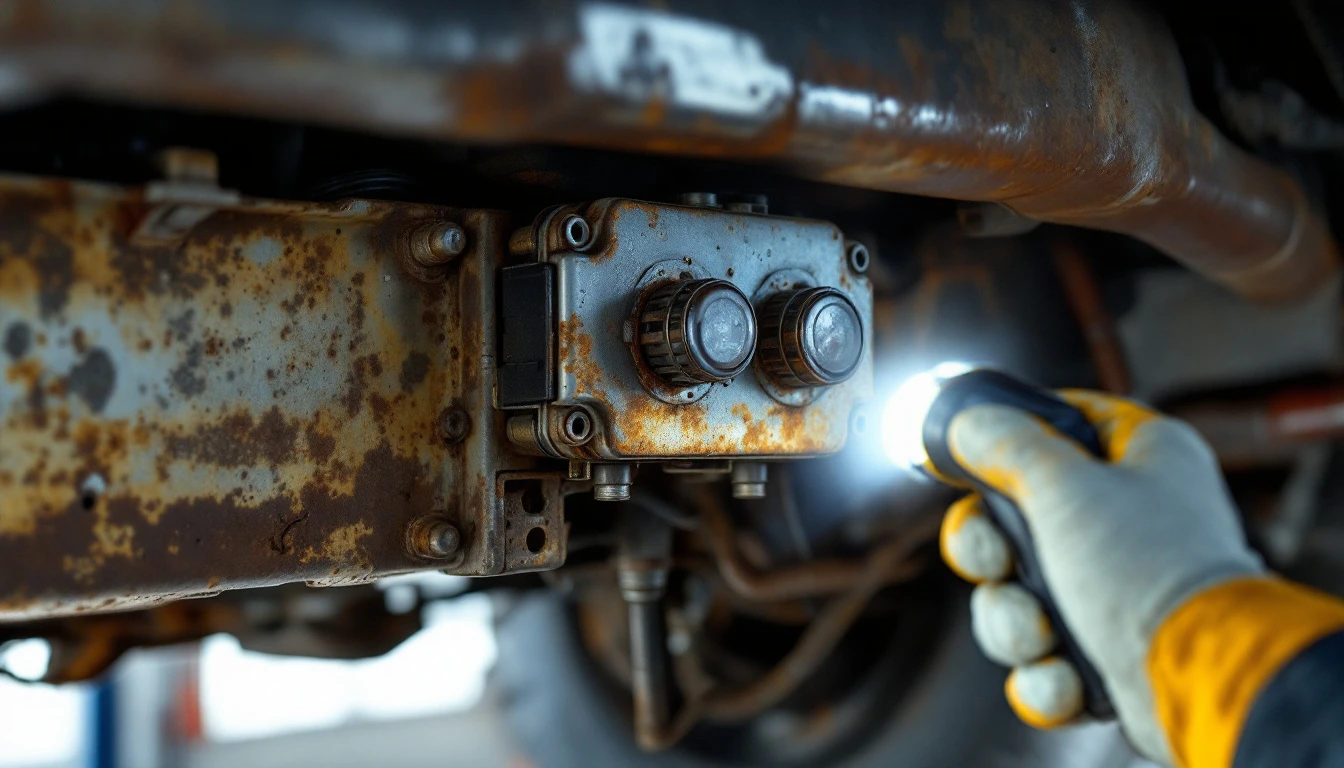
Few things are more frustrating than a Ford truck that cranks strong but won't start — or one that stalls at a Fort Worth stoplight and then fires right back up like nothing happened. On a huge range of Ford F-150, Super Duty, E-Series, and Mustang vehicles, that intermittent gremlin traces back to a small, frame-mounted computer most owners have never heard of: the Fuel Pump Driver Module (FPDM), sometimes called the Fuel Pump Control Module.
As of July 2026, FPDM failure remains one of the more commonly misdiagnosed no-start causes on Ford vehicles — drivers replace fuel pumps, relays, and even PCMs chasing a problem that lives in a corroded module bolted to the frame rail. This guide explains what the FPDM does, why it fails so predictably, how to recognize the symptoms, and why a replacement module usually needs configuration to the vehicle before the truck runs right. If you already know you need the work, our Ford key and module programming coverage and module programming service handle it; the detail below explains the diagnosis-first approach that saves money.
What the FPDM Actually Does
On older vehicles, the fuel pump ran off a simple relay and inertia switch — power on, pump on, full speed, all the time. Ford moved to a smarter setup: the PCM decides how much fuel pressure and flow the engine needs, sends a low-power command signal, and a dedicated module does the heavy electrical lifting of driving the pump at the commanded speed. That dedicated module is the FPDM.
This design has real advantages — it lets the PCM vary pump speed for efficiency, run "returnless" fuel systems, and reduce pump wear. But it also inserts an extra electronic module into the fuel-delivery chain, and that module became a single point of failure. When the FPDM can't drive the pump correctly, it doesn't matter that the pump itself is brand new: no proper drive signal, no reliable fuel pressure, no start. The module also reports back to the PCM, which is why FPDM problems throw specific fuel-pump-monitor trouble codes.
Where It Lives — and Why That's the Problem
Here's the design decision that keeps Fort Worth Ford owners coming back: the FPDM is mounted on the frame rail or a crossmember near the fuel tank, on the underside of the truck. The heat-sink housing needs airflow to stay cool, so Ford put it out in the open where it's exposed to road spray, standing water, mud, and debris.
That location is brutal on electronics. The connector pins corrode, moisture wicks into the housing, and the solder joints fatigue from thermal cycling. Trucks that see Fort Worth thunderstorm flooding, unpaved job sites around Alliance, or years of daily highway spray on I-20 are prime candidates. Corrosion is the number-one FPDM killer, and it explains the intermittent nature of the failure — a marginally corroded module works when dry and warm, then quits when wet or hot. By the time it fails outright, most owners have already been chasing the symptom for weeks.
Recognizing FPDM Failure
The symptom pattern is distinctive once you know it:
- Intermittent stalling that worsens with heat — the engine dies at idle or low speed, often after the truck's been running a while, then restarts.
- Extended cranking before start — the pump takes too long to build pressure because the drive signal is marginal.
- Sudden no-start — cranks normally, plenty of battery, but never catches; the pump isn't being driven.
- Fuel-pump-related trouble codes — commonly in the P1230–P1233 range (fuel pump monitor/driver faults), sometimes with FPDM-specific codes depending on model year.
- Corrosion visible at the module — a physical inspection of the frame-mounted module often shows green connector corrosion or a swollen housing.
Because these overlap with a genuinely failed fuel pump, a bad relay, or wiring problems, diagnosis before parts is essential. A scan tool that can read the FPDM's reported data and command a pump test tells you whether you're chasing the module or the pump — replacing the wrong one is the expensive mistake here, exactly as it is with the ECU and computer programming work our shop specializes in.
Why Replacement Usually Needs Programming
Here's where a lot of DIY replacements go sideways. On many Ford platforms, the FPDM isn't fully plug-and-play — after you install a new module, the PCM needs a module configuration step so it recognizes and communicates with the new hardware. Ford's process for writing a module's configuration data is called Programmable Module Installation (PMI), and depending on the platform and model year, the new FPDM may need either that full configuration or at least a parameter reset before the truck runs correctly.
Some model years genuinely accept a plug-and-play swap; others leave you with a lingering fault or driveability issue if the configuration isn't completed. The only reliable way to know which applies to your exact truck is a Ford-capable diagnostic session that reads the current configuration and writes what the new module needs. This is standard module programming territory, and it's why "I put a new module in and it still won't run right" is a call we take often. For the broader picture of why modern Ford modules need configuration at all, our Ford PATS programming and PCM reflash guide covers the immobilizer and powertrain side.
Which Ford Vehicles Use an FPDM
The frame-mounted fuel-pump driver design appeared across a wide swath of the Ford lineup, which is part of why the failure is so common in a truck-heavy market like DFW. It shows up on the F-150 and Super Duty (F-250/F-350) pickups, the E-Series vans that make up so many Fort Worth work fleets and shuttles, the Mustang, and various Explorer, Expedition, and Econoline applications depending on year and engine. The exact module part number and whether it needs configuration vary by platform and model year, so the same "no-start" story on two different Fords can call for slightly different work.
For fleet operators running E-Series vans out of Alliance or Haltom City, the pattern is worth knowing: when several high-mileage vans start showing intermittent stalls in the same season, a batch of aging, corroded FPDMs is a likely common cause rather than a coincidence. Catching it as a module issue instead of replacing multiple fuel pumps saves real money across a fleet.
How a Mobile FPDM Job Works
A mobile Ford specialist arrives with a Ford-capable diagnostic tool (Ford IDS/FDRS or a professional equivalent like an Autel MaxiSys with Ford coverage), a live internet connection for OEM server access where the platform requires it, and a stable power supply to hold voltage during any configuration write. The sequence:
- Verify the diagnosis — confirm the no-start or stall traces to the FPDM and not the pump, wiring, or PCM, using live data and a commanded pump test.
- Inspect and replace the module — the frame-mounted FPDM is removed, the connector is cleaned or repaired if corroded, and the new module is installed.
- Configure to the vehicle — perform the PMI/configuration or parameter reset so the PCM recognizes the new module.
- Verify — clear codes, confirm proper fuel pressure and a clean start, and road-confirm that the stall or no-start is resolved.
Skipping the connector inspection is a frequent cause of comebacks — installing a fresh module into a corroded connector just corrodes the new module. A thorough job addresses both.
DFW 2026 Pricing: Mobile vs Dealer FPDM Programming
| Service | Mobile specialist | Dealership | Notes |
|---|---|---|---|
| FPDM configuration (PMI) | $150–$300 | $300–$525 | Plus module cost |
| FPDM parameter reset | $125–$250 | $275–$450 | Simpler platforms |
| Diagnosis (fuel pump vs FPDM vs PCM) | Included w/ job | $150–$225 | Charged separately at dealer |
| Connector repair / corrosion cleanup | $75–$175 | $150–$300 | Often bundled with replacement |
| FPDM + PCM configuration combo | $275–$500 | $525–$900 | When both need work |
| Full replacement + config (typical) | $175–$350 | $450–$750 | Excludes part cost |
Two notes. First, a dealership FPDM job typically bills 2–3 hours of bay labor at $185–$260/hr in DFW plus the module and a software-access fee, which puts dealer totals 40–70% above mobile flat-rate pricing. Second, the biggest cost driver isn't the programming — it's misdiagnosis. Owners who replace a good fuel pump ($400–$800 with tank work) before finding the corroded FPDM spend far more than the module and configuration would have cost. Diagnosis-first is the whole game on this repair.
An Honest Word on Diagnosis
We'll say it directly: programming a new FPDM only helps if the FPDM is actually the problem. A no-start or stall on a Ford truck can also come from a failed in-tank fuel pump, corroded wiring between the module and the pump, a bad ground, a PCM fault, or even a fuel-pressure sensor. None of those are fixed by configuring a module. A qualified technician traces the fault to the right component first — replacing and programming the wrong part is the single most expensive mistake on these vehicles. If the diagnosis points somewhere other than the FPDM, an honest answer up front saves you the module cost entirely. General Ford electrical and lockout work is covered on our automotive locksmith page, and Fort Worth and the surrounding cities like Arlington are all within mobile range.
Common FPDM Scenarios Around Fort Worth
The storm-flood stall is the local signature. A Super Duty or F-150 that drove through standing water on a flooded Fort Worth street starts stalling intermittently a few days later as moisture works into the frame-mounted module. Cleaning and replacing the module plus repairing the connector resolves it.
The "I already replaced the pump" call is the most common. An owner or shop replaced the in-tank pump chasing a no-start, the truck ran for a while, then the symptom returned — because the real fault was always the FPDM, and the marginal drive signal eventually killed the new pump too. A proper diagnosis would have found the module first.
The plug-and-play surprise happens when someone swaps the module and the truck still won't run right, not realizing the platform needs configuration. A quick PMI/configuration session finishes what the parts swap started.
What to Do Right Now
If your Ford is stalling intermittently, cranking a long time before starting, or throwing a P1230-series fuel-pump code, get the FPDM inspected before you spend money on a fuel pump. Check the frame-mounted module for corrosion — visible green on the connector is a strong tell. And if you've already replaced parts without a fix, a proper diagnosis will find whether the FPDM was the culprit all along. Serving Fort Worth, Arlington, and across DFW, we diagnose first, replace and configure the module, and repair the connector as one job so the fix actually lasts.
Frequently Asked Questions
What does the Ford Fuel Pump Driver Module (FPDM) do?
The FPDM is a separate module, usually mounted on the frame rail near the fuel tank, that takes a low-power command from the PCM and drives the fuel pump at the correct speed and pressure. It replaced the old inertia-switch and relay setup on many Ford trucks and vans. When it fails, the pump stops getting proper drive signal, causing stalls or a no-start even though the pump itself is fine.
Does a replacement FPDM need to be programmed?
On many Ford platforms the FPDM is a configured component, so after replacement the PCM needs a parameter reset or module configuration (Ford calls it PMI) so it recognizes the new module and communicates correctly. Some model years accept a plug-and-play module while others require the configuration step. A technician confirms which applies to your exact truck before finishing the job.
What are the symptoms of a failing FPDM on a Ford truck?
The classic signs are intermittent stalling that gets worse with heat, extended cranking, sudden no-start, and a fuel-pump-related trouble code such as those in the P1230–P1233 range. Because the module sits on the frame rail exposed to road spray, corrosion is a leading cause. Symptoms often come and go before the module fails completely.
Why does the FPDM fail so often on F-150 and Super Duty trucks?
The module is mounted on the frame rail or crossmember where it's directly exposed to water, road salt, and debris. Over time the connector and internal electronics corrode, especially on trucks driven through Fort Worth storm flooding or work sites. The heat-sink design that keeps it cool also puts it in a harsh spot, so corrosion and thermal cycling are the usual culprits.
How much does FPDM replacement and programming cost in DFW?
Mobile Ford module programming generally runs in the $150–$350 range for the configuration work, plus the FPDM part cost. A dealership is typically 40–70% higher because it bills 2–3 hours of bay labor at $185–$260 per hour in DFW plus software fees. Exact totals depend on whether your platform needs full configuration or a simpler parameter reset.
Can you program a Ford FPDM at my location?
Yes. Mobile FPDM replacement and programming is available across Fort Worth and DFW using Ford-capable diagnostic tools with live OEM server access where the platform requires it. Most jobs are completed at your home or job site. Diagnosis comes first, because a no-start can also be a failed pump, wiring, or PCM rather than the FPDM.
Is the FPDM the same as the fuel pump control module?
The terms are used interchangeably by many owners, and Ford's naming has shifted over the years between Fuel Pump Driver Module and Fuel Pump Control Module. Functionally both describe the module that drives the fuel pump on command from the PCM. What matters is that it's a distinct module from the pump and the PCM, so a no-start needs to be traced to the right part.