2026 GM & Chevy All Keys Lost Programming, Fort Worth
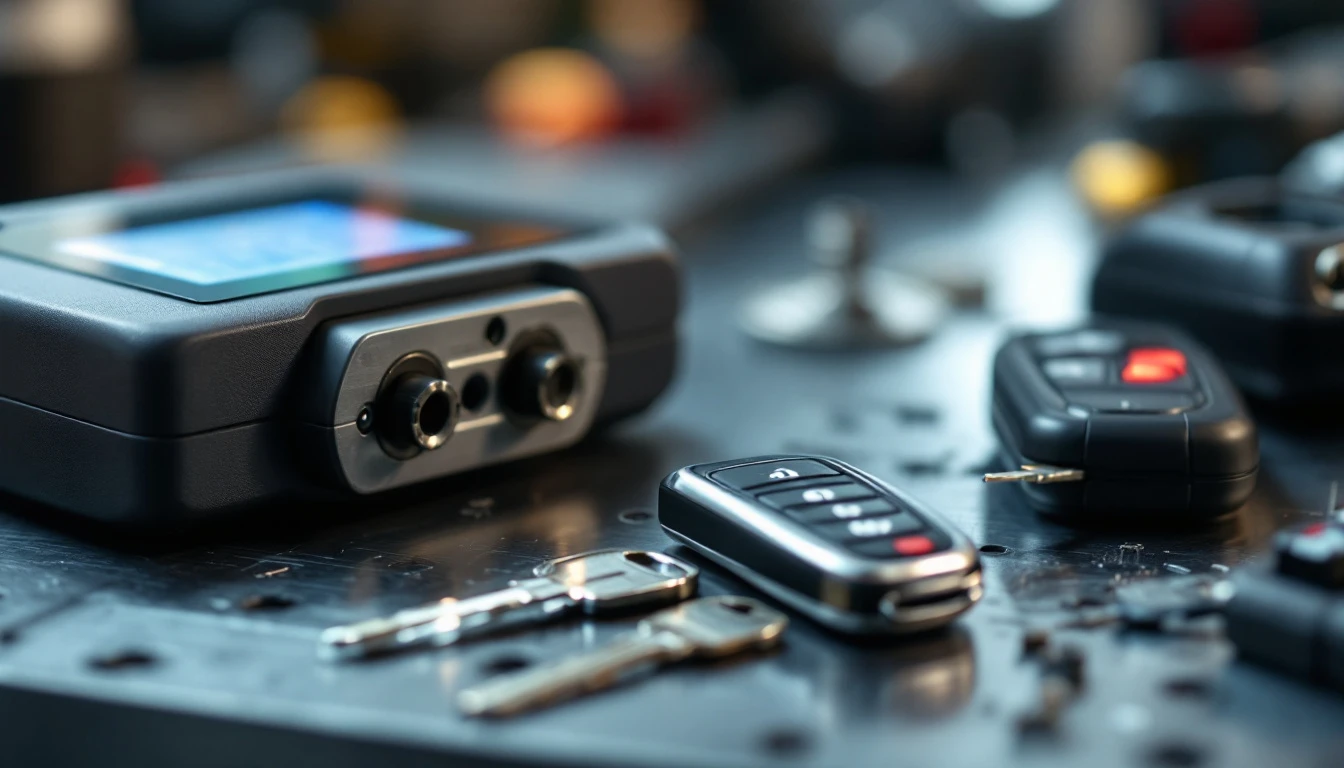
Losing every working key to a GM vehicle — a Silverado, Malibu, Equinox, Tahoe, Sierra, or Cadillac — is more than an inconvenience. Without a programmed key, the immobilizer will not authorize the engine, so the vehicle is immobile until a new key is cut and electronically programmed. This is the all-keys-lost scenario, and it is a different, longer job than adding a spare. This 2026 guide explains how GM and Chevrolet all-keys-lost programming works, why it takes the time it does, and what fair mobile pricing looks like in Fort Worth.
If you are locked out of a GM vehicle with no working key, our car key replacement and transponder key programming services handle all-keys-lost at your location — usually the same day for supported platforms.
What "All Keys Lost" Actually Means
There is an important distinction people miss. Adding a spare starts with a working key already in hand — the vehicle's immobilizer is happy, and the tool simply teaches it one more key. Quick and inexpensive.
All keys lost means nothing you have will start the car. The immobilizer has no trusted key to reference, so the security system has to be accessed and, on many GM platforms, put through a relearn procedure before it will accept anything new. That extra access-and-relearn work is why all-keys-lost costs more and takes longer than a spare — the difference is real, not a markup.
GM's Immobilizer Systems Over the Years
GM has used several anti-theft key systems, and the right procedure depends entirely on your exact vehicle:
- VATS (Vehicle Anti-Theft System) — the older resistor-pellet keys, where a specific resistance value in the blade had to match. See our GM VATS/PassLock bypass guide for these.
- PassLock — a magnetic/resistive lock-cylinder system on many 1990s–2000s GM vehicles.
- Transponder systems — chip-in-key immobilizers on later models.
- Push-to-start proximity — modern smart-key systems on current Silverados, Tahoes, and Cadillacs.
Because the systems differ, the all-keys-lost method and the correct key differ too. Confirming your year and model up front is how you avoid getting the wrong key or the wrong procedure. Our Chevrolet, GMC, and Cadillac key pages cover the make-specific side.
The GM Security Relearn — Why It Takes Time
Here is the part that surprises people. Many GM platforms build in a timed security relearn as an anti-theft measure. After the tool initiates the procedure, the vehicle enforces a waiting period — often around 10 minutes, sometimes repeated — during which it verifies a legitimate key is being added before it releases the immobilizer to accept it.
That delay is by design. It makes quick theft-style key cloning impractical. So when an all-keys-lost job takes 60 to 120 minutes, a good chunk of that is the vehicle's own security clock, not the technician working slowly. Our programming time guide covers this in more detail.
How GM/Chevy All-Keys-Lost Programming Works
A mobile specialist works through:
- Verify ownership. Proof of ownership is required before any key is made — all-keys-lost service on a vehicle someone does not own is what theft looks like.
- Identify the vehicle and key type. Year, model, and immobilizer system determine the correct key and method.
- Derive the key code and cut the key (or prepare the proximity fob).
- Access the immobilizer and initiate the relearn.
- Complete the timed relearn and program the new key(s).
- Verify the vehicle starts and the key operates all functions.
Proof of ownership plus the correct tooling is what separates a legitimate service from a scam. A provider who offers to make a GM key with no ownership check is a red flag — see our scam-avoidance guide.
GM All-Keys-Lost: 2026 Fort Worth Pricing
As of July 2026, here are typical DFW mobile ranges. All-keys-lost sits above spare-key pricing because of the added access and relearn time.
| Service | Typical range | Notes |
|---|---|---|
| Transponder / remote-head key (spare) | $120–$250 | With a working key present |
| All-keys-lost (transponder) | Above spare pricing | Adds relearn time + access |
| Push-to-start smart key | $250–$650+ | Model-dependent; complex quoted after diagnosis |
| Push-to-start all-keys-lost | Quote after diagnosis | Longer; secure access required |
| VATS / PassLock older systems | Quote after diagnosis | System-specific procedure |
Push-to-start and older-system all-keys-lost jobs are quoted after confirming the vehicle, because the access method and relearn vary by platform. That is the honest way to price a job whose exact procedure depends on your specific GM.
Why a "Cut" Key Isn't a "Working" Key
One of the most common GM calls: "I had a key cut and it won't start." A hardware store or kiosk can cut the metal blade to match your lock, but the transponder chip inside was never registered to the immobilizer. The engine cranks (or the push-button illuminates) but the car will not run. Programming is the step that turns a cut key into a working key — and on all-keys-lost, that programming includes the relearn described above.
Dealer or Locksmith for GM All-Keys-Lost?
You do not have to tow a GM vehicle to the dealer for all-keys-lost. A mobile specialist runs the same procedure — cut, access, relearn, program — at your location, usually the same day, and typically for less than the dealership rate once you factor in the avoided tow. The dealer remains the right call for warranty-covered failures. Our dealer vs. locksmith guide covers the trade-offs.
Fort Worth Locksmith & Computer Programming is a mobile, 24/7 service-area business serving Fort Worth and Tarrant County. If you are stranded, our emergency lockout service gets you into the vehicle while we sort the key. For related GM electronics, see our Chevrolet/GM ECM/BCM programming guide.
Credentials and Compliance
Making a key for an all-keys-lost vehicle means writing to the immobilizer, so legitimacy is essential. In Texas, automotive locksmiths operate under the Texas Department of Public Safety (DPS) Private Security program and a reputable specialist verifies vehicle ownership before performing all-keys-lost service. Secure OEM access, where required, is coordinated through the National Automotive Service Task Force (NASTF), and the anti-theft standards these systems follow are published by SAE International.
GM Models We Handle for All-Keys-Lost
Because GM spans so many brands and eras, the right procedure depends heavily on the vehicle. The common ones we see for all-keys-lost:
- Chevrolet Silverado and GMC Sierra — the full-size trucks, ranging from older transponder and remote-head-key systems to modern push-to-start proximity fobs. Work trucks especially tend to lose their last key.
- Chevrolet Malibu, Cruze, and Impala — high-volume sedans, mostly transponder and flip-key systems on older models moving to proximity on newer ones.
- Chevrolet Equinox, Traverse, Tahoe, and Suburban — the crossover and SUV range, common all-keys-lost calls because a family vehicle losing its keys strands a lot of people at once.
- GMC Terrain and Yukon, Buick Encore and Enclave, Cadillac across the range — the rest of the GM family, with Cadillac trending toward the most layered security and the most likely to be quoted after a diagnosis.
The key takeaway is the same one that runs through this whole guide: the immobilizer system and the correct key differ by exact year and model, so confirming the vehicle up front is how you avoid the wrong key or the wrong procedure.
Proof of Ownership Isn't Optional
It is worth being explicit about why all-keys-lost service always requires proof of ownership. Making a working key for a vehicle you cannot get into, from scratch, is powerful — and in the wrong hands it is exactly how a car gets stolen. A legitimate specialist verifies that the vehicle is yours before cutting or programming anything. If a provider offers to make a GM key for an all-keys-lost vehicle with no ownership check at all, that is not convenience — it is a red flag about how they operate, and it is covered in our scam-avoidance guide.
That verification protects you, too: it is part of what distinguishes a professional, insured, DPS-licensed locksmith from an anonymous operator. We come to you across Fort Worth and Tarrant County, verify ownership, and make a working key on site — the legitimate way, every time.
Frequently Asked Questions
What does 'all keys lost' mean on a GM or Chevy?
All keys lost means no working programmed key remains for the vehicle — you cannot start it or authorize the immobilizer with anything you have. That is different from adding a spare, where a working key already exists. All-keys-lost requires accessing the security system and, on many GM platforms, completing a relearn procedure before a new key can be cut and programmed to start the engine.
Can a locksmith do GM all-keys-lost without the dealer?
Yes. A mobile specialist with GM platform support can cut and program keys for an all-keys-lost Chevrolet, GMC, Buick, or Cadillac on site, including the immobilizer relearn. For push-to-start models the fob is paired the same way. This avoids a tow to the dealer and is usually completed the same day for supported platforms.
How long does GM all-keys-lost programming take?
Many GM platforms use a timed security relearn that adds roughly 10 to 30 minutes on top of cutting and pairing the key, so a typical all-keys-lost job runs about 60 to 120 minutes total. Some newer or higher-security models take longer. The relearn is a built-in anti-theft delay, not wasted time — it is how the system verifies a legitimate key is being added.
Why won't a Chevy key work if I just had one cut?
A key cut to match the door or ignition still has to be electronically programmed to the immobilizer to start the engine. A hardware store can cut the metal blade, but without the transponder being registered to the vehicle, the car will crank or the push-button will illuminate but it will not run. Programming is the step that makes a cut key a working key.
How much does GM all-keys-lost key replacement cost near Fort Worth?
As of July 2026, a GM transponder or remote-head key typically runs about $120 to $250 with a working key present; all-keys-lost adds the relearn time and access, so it sits higher. A push-to-start smart key runs about $250 and up. We give an all-in quote after confirming your year, model, key type, and that all keys are truly lost.
Do all GM vehicles use the same key system?
No. GM has used several systems over the years — older VATS resistor keys, PassLock, transponder systems, and modern push-to-start proximity fobs. The right procedure and key type depend entirely on your exact year and model. That is why we confirm the vehicle before quoting, so you get the correct key and the correct all-keys-lost method.
Can you make a GM key from just the VIN?
The VIN helps identify the correct key and, on many platforms, derive the key-cutting code, but all-keys-lost still requires physically accessing the vehicle and completing the immobilizer relearn — it is not a remote, VIN-only process. Proof of ownership is required before any key is made, because all-keys-lost service on a vehicle you do not own is exactly what theft looks like.
Lost every key to your GM or Chevy in Fort Worth? Call or text Fort Worth Locksmith & Computer Programming at (817) 668-3801. Give us your year, model, and key type, and we will come to you, verify ownership, and make a working key on site — with an all-in quote up front.