Subaru Key Replacement & Programming in Fort Worth (2026)
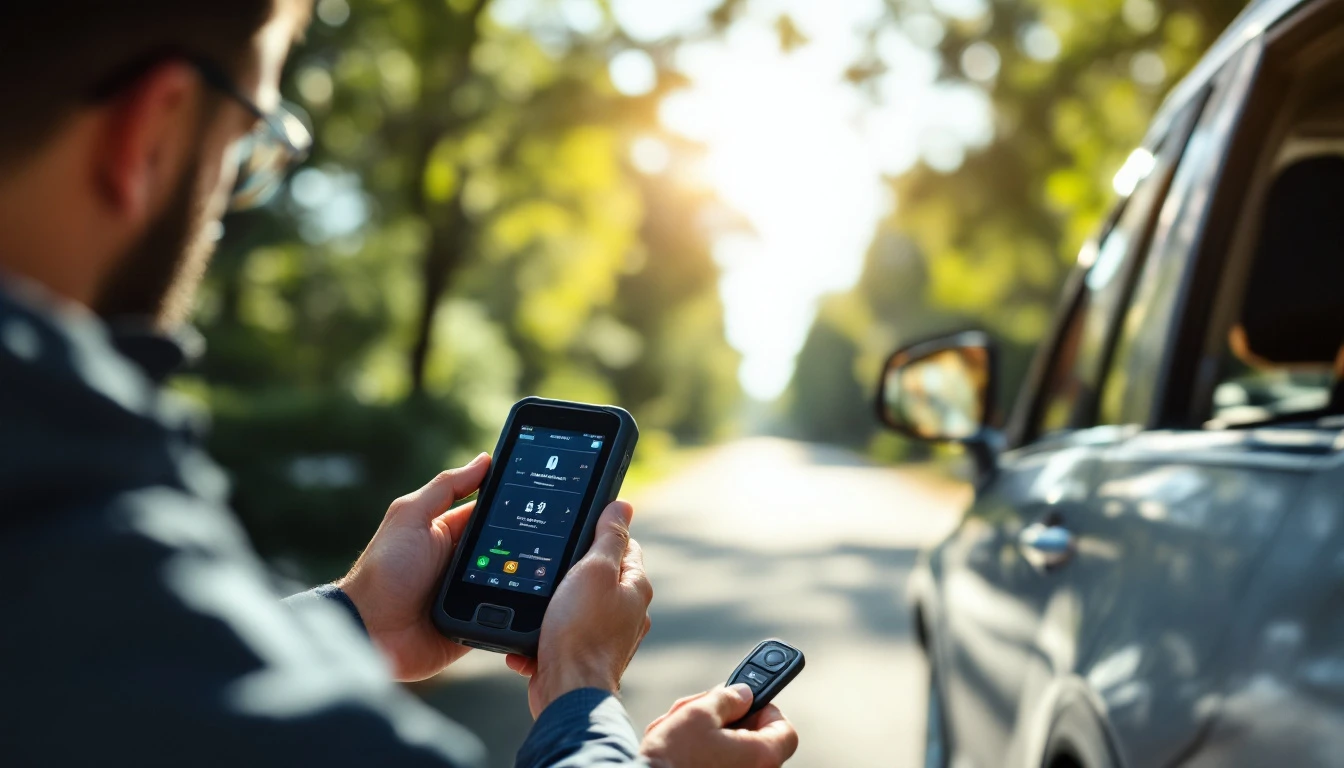
If your Subaru won't start, you've lost your only key, or you just want a spare before something goes wrong, the good news is that almost every Subaru sold in the last two decades can be re-keyed and reprogrammed by a mobile locksmith — no dealership tow required. The catch is that Subaru, like every modern automaker, ties the key to an electronic immobilizer, so cutting a blade is only half the job. The new key has to be registered to your specific vehicle before the engine will crank.
As of July 2026, this guide walks Fort Worth and DFW Subaru owners through exactly how key replacement and programming work across the lineup — Outback, Forester, Crosstrek, Impreza, Legacy, WRX, and Ascent — the difference between older transponder chip keys and newer push-button proximity fobs, what a spare costs versus an all-keys-lost emergency, and when it makes sense to call a mobile specialist instead of the dealer. Our Subaru key service covers the whole range, but understanding the system first helps you make a smart call.
Two Subaru Key Systems: Transponder vs Proximity
Every Subaru built since roughly the mid-2000s uses an immobilizer, but the type of key splits into two families, and which one you have determines the whole process.
Older transponder (bladed) keys
On many Impreza, Legacy, Forester, and Outback models from the mid-2000s through the mid-2010s — and on base trims later than that — you insert a physical metal key into the ignition and turn it. Inside the plastic head is a transponder chip. When you turn the key, the immobilizer antenna ring around the ignition cylinder energizes the chip, reads its unique code, and compares it against the codes stored in the vehicle. Match, and the engine control module is authorized to fire injectors and spark. No match, and the car cranks but won't start, or won't crank at all.
Replacing one of these means cutting a blade to your Subaru's key code (or by decoding the existing lock), then registering the transponder chip to the immobilizer through the diagnostic port. This is the same underlying technology explained in our transponder key programming service, and the workflow is well established.
Newer push-button proximity smart keys
Higher trims and most recent Outback, Forester, Ascent, and Crosstrek models use Subaru's keyless access and push-button start. Here the "key" is a proximity fob you keep in your pocket. Low-frequency antennas around the vehicle detect the fob, a rolling-code radio exchange authenticates it, and pressing the START button with the brake down authorizes the engine. There's no blade in the ignition — though the fob hides a mechanical emergency blade for the door in case the fob battery dies.
Programming a proximity fob is a different procedure. The locksmith communicates with the vehicle's keyless and immobilizer modules over the CAN bus, registers the new fob's encrypted identity, and synchronizes the rolling code. Our smart key programming service handles these push-to-start fobs across the Subaru range.
Spare Key vs All-Keys-Lost
The single biggest factor in cost and time is whether you still have a working key.
When you have at least one functioning key, adding a spare is straightforward. The existing key keeps the immobilizer "awake" and authenticated, so registering an additional key is a quick, well-defined operation. This is why buying a spare before you need one is always cheaper — you're paying for a routine add, not an emergency.
All-keys-lost (AKL) is the harder scenario. With no working key, the locksmith can't lean on an authenticated session. Instead the technician must access the immobilizer directly, read or reset the stored key data, and register brand-new keys from a blank security state. On some Subaru platforms this involves a security relearn and, occasionally, a timed wait built into the anti-theft system. AKL requires more advanced tooling — devices like the Autel IM608, Smart Pro, or Lonsdor K518 — and more skilled labor, which is why it lands at the top of the pricing range. If you've genuinely lost every key, our car key replacement service covers the full AKL process.
Subaru Key Replacement Pricing in DFW
Here's how mobile locksmith pricing compares to a dealership for common Subaru jobs. All figures are 2026 DFW ranges; your exact model, year, and security state determine where you land.
| Subaru key service | Mobile locksmith | Dealership | Notes |
|---|---|---|---|
| Spare transponder key (2004–2014) | $120–$200 | $220–$380 | Blade cut + immobilizer registration |
| All-keys-lost transponder | $160–$250 | $320–$520 | Immobilizer access + new pairing |
| Spare push-button smart key | $250–$450 | $420–$700 | Proximity fob registered to CAN |
| All-keys-lost smart key | $350–$650 | $600–$1,000 | Full immobilizer relearn |
| Emergency blade / door key only | $65–$130 | $150–$260 | Cut by code, no immobilizer |
Two things stand out. First, the dealership route almost always runs 40–70% higher once you factor in a tow, two to three hours of bay labor at $185–$260 per hour in DFW, plus module and software-access fees — and dealers frequently make you order the fob and come back a second day. A mobile locksmith is flat-rate, comes to you, and carries blanks and fobs on the truck. Second, the gap between a spare and an AKL job is real: the cheapest insurance against an expensive night is a $150 spare in your kitchen drawer.
How a Subaru Key Job Works in Your Driveway
A mobile Subaru key visit follows a predictable sequence, whether you're at home off Camp Bowie, in an Alliance office lot, or stranded at a Stockyards event parking area.
- Identify the vehicle and key type. The technician verifies your VIN and confirms whether your Subaru uses a bladed transponder key or a proximity smart fob. This decides the tooling and procedure.
- Confirm proof of ownership. A reputable locksmith checks that you're authorized on the vehicle — registration or title plus ID. This is standard practice and protects everyone.
- Cut the blade. For transponder keys and for the emergency blade inside a smart fob, the technician cuts to your key code, either from Subaru's code or by decoding your existing lock.
- Register the key to the immobilizer. Using a professional programmer connected to the diagnostic port, the locksmith registers the transponder chip or proximity fob's encrypted identity to your vehicle's immobilizer and keyless modules.
- Test everything. The technician confirms the engine starts, remote lock/unlock works, the panic and trunk functions respond, and — on push-button cars — that the fob authenticates from the driver's seat. Old lost keys can be deleted from memory so a found key can no longer start the car.
The whole visit runs 20 minutes to a couple of hours depending on spare-versus-AKL and your specific model. If your issue is a dead push-button system rather than a lost key, our guide on why a push-button start might not respond covers the diagnostic side.
Model-by-Model Notes for the Subaru Lineup
Outback and Legacy — Long-running platforms that span both key eras. Older generations use bladed transponder keys; newer ones commonly use proximity fobs, especially on Limited and Touring trims. Confirm your generation before assuming.
Forester — Similar split. Many mid-2010s and newer Foresters run push-button start, while base and older models use a turn key. The Forester is one of the most common Subarus we see for both spare fobs and AKL in the Fort Worth area.
Crosstrek — A newer nameplate, so proximity smart keys are typical on higher trims, with bladed transponder keys on base configurations. Programming is straightforward on most model years.
Impreza — The Impreza's long history means older cars are firmly in transponder territory, while recent models may carry keyless access. It's the classic "still unlocks but won't start" transponder candidate when a chip fails.
WRX — Enthusiast owners often want a second key for track days or valet situations. Depending on model year the WRX uses either a transponder key or proximity fob; either is programmable mobile.
Ascent — Subaru's three-row SUV is a recent, keyless-access platform. Proximity smart-key programming applies, and families often want multiple fobs for shared driving.
Across all of these, the honest rule is the same: a technician confirms your exact platform and security state by VIN before quoting, and the newest model years or unusual immobilizer states occasionally require dealer or bench-level work. A trustworthy locksmith tells you that up front rather than after the truck is in your driveway.
Why Subaru Keys Fail (and Fort Worth's Role)
Keys don't only get lost — they wear out and get damaged, and North Texas conditions accelerate a few failure modes.
- Dead or weak fob batteries are the number-one "my key stopped working" call. A proximity fob with a dying battery loses range first, then drops out entirely. The emergency blade and a backup start method (holding the fob to the START button) usually get you going.
- Water and heat damage. Summer thunderstorms, flash flooding on low DFW streets, and a fob that took a swim in a pool or washing machine can corrode the transponder or radio board. Extreme cabin heat over a Texas summer also stresses fob electronics.
- Cracked key heads and worn blades. Years of jangling on a keyring crack the plastic head that houses the transponder, or wear the blade until it no longer turns the cylinder reliably.
- De-pairing after a dead 12V battery. On rare occasions a vehicle battery that dies completely, or a jump-start, can leave a proximity system confused until the fob is re-synchronized.
If your key still locks and unlocks the doors but the engine won't start, the radio side is fine and the problem is the immobilizer authentication — a repair a locksmith handles without replacing the whole system.
Dealer vs Mobile Locksmith: The Honest Comparison
Dealerships absolutely can make Subaru keys, and for a car still under warranty with an unusual security requirement, the dealer is sometimes the right call. But for the typical spare or lost-key situation, a mobile specialist wins on cost, speed, and convenience. You skip the tow, skip the bay-labor markup, and get the work done where your car sits. A qualified mobile locksmith carries OEM-quality Subaru blanks and fobs, professional programmers, and the credentials to do the job right.
Fort Worth Locksmith & Computer Programming is a mobile, 24/7 operation licensed by the Texas DPS Private Security Bureau, serving Fort Worth, Arlington, and the greater DFW metroplex. Whether you're in Fort Worth proper or out in Arlington, we come to you. For anything beyond keys — modules, immobilizer faults, or a no-start diagnosis — our broader automotive locksmith service covers it.
What to Do Right Now
If you've lost all your Subaru keys, don't tow first — call a mobile locksmith and describe your model, year, and whether it's push-button or a turn key, so the right tooling comes on the first trip. If you still have one working key, order a spare now while it's cheap. And if your key unlocks but won't start, that's an immobilizer or transponder issue a specialist can usually fix without a full replacement.
For mobile Subaru key replacement and programming anywhere in the Fort Worth area, contact Fort Worth Locksmith & Computer Programming at (817) 668-3801 or contact@fwlocksmith.com. For a deeper look at how chip keys authenticate, see our transponder key programming guide.
Frequently Asked Questions
How much does a Subaru key replacement cost in Fort Worth?
As of July 2026, a spare transponder key for an older Subaru typically runs $120–$250 mobile, while a push-button-start proximity smart key runs $250–$650 or more depending on model year. All-keys-lost jobs sit at the higher end because the immobilizer has to be fully relearned. A dealership is generally 40–70% higher once you add bay labor and module fees.
Can a locksmith program a Subaru smart key, or do I need the dealer?
A properly equipped mobile locksmith can cut, register, and program the vast majority of Subaru keys — both older transponder chip keys and newer push-button proximity fobs — right in your driveway. Only the very newest platforms or unusual security states occasionally require dealer or bench-level work, which a technician confirms by your exact VIN before any charge.
What's the difference between a spare Subaru key and an all-keys-lost job?
A spare is added while you still have one working key, so the immobilizer stays authenticated and programming is quick. All-keys-lost (AKL) means no working key exists, so the locksmith must access the immobilizer, clear the old key data, and register brand-new keys from scratch. AKL takes longer, requires more tooling, and costs more.
Do all Subaru models use push-button start now?
No. Push-button proximity start became common on higher trims through the 2010s and is now widespread on Outback, Forester, Ascent, and Crosstrek, but many base trims and older vehicles still use a bladed transponder key you physically insert and turn. The programming method differs, so identifying which system your Subaru uses is the first step.
My Subaru key still unlocks the doors but won't start the car. What's wrong?
That usually means the remote battery and radio side still work, but the transponder chip or proximity authentication with the immobilizer has failed — a damaged chip, a de-paired key, or an immobilizer fault. The car is refusing to authorize the engine. A locksmith can read the immobilizer, re-register the key, or cut and program a replacement.
How long does Subaru key programming take?
A spare transponder key is usually cut and registered in about 20–40 minutes. A spare proximity smart key runs roughly 30–60 minutes. An all-keys-lost job can take one to two hours because of the immobilizer relearn and, on some models, a security wait timer. Weather and vehicle condition can extend these estimates.
Is a mobile locksmith cheaper than towing my Subaru to the dealership?
Almost always. A mobile locksmith comes to you — no tow bill, no dealer bay labor at $185–$260 per hour, and no multi-day wait for a key to be ordered. Dealerships also frequently refuse used-key or aftermarket options, while a mobile specialist carries OEM-quality blanks and fobs on the truck.