Audi & VW Immobilizer and Module Repair Cost in Fort Worth (2026)
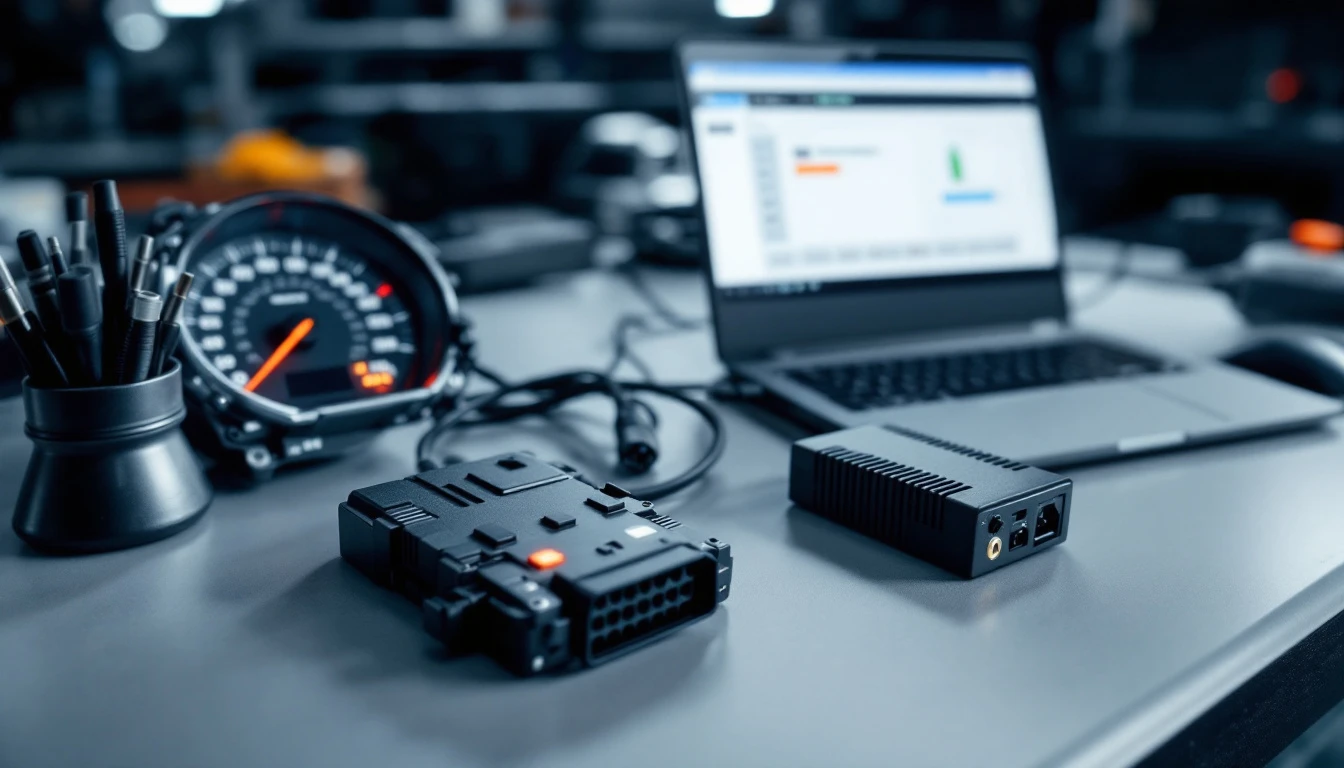
"Audi immobilizer repair" is one phrase covering at least six different jobs at six different prices. One of them is a twenty-minute adaptation. Another involves opening a module on a bench. When a Fort Worth customer calls with an Audi or Volkswagen that cranks and will not start, the first useful thing anyone can do is figure out which of those six jobs they actually have.
As of September 2026, this guide prices Volkswagen Group immobilizer and module work the way it is genuinely quoted — by which module has to be reached, and whether component protection sits in the path.
The Short Answer
Clearing an immobilizer lockout or adapting a key into an existing Audi or VW system typically runs $175–$325. Key replacement on European proximity platforms typically runs $400–$650. Adapting a replacement control module into a component-protected vehicle is larger and quoted after the module is identified. Used module re-VIN work on European platforms runs roughly $500–$1,200 because it usually requires bench-level access.
The reason those bands are so far apart is architecture, and it is worth understanding before spending anything.
Cost by Job Type
| Job | Typical Fort Worth price | What is actually happening |
|---|---|---|
| Fault read and immobilizer diagnosis | Diagnostic charge, credited toward the repair | Reading fault memory across the cluster, engine module and gateway |
| Immobilizer lockout clearance | $175–$325 | Clearing a security lockout so the system will accept authorization again |
| Key adaptation into an existing system | $175–$325 | Writing a new key into the immobilizer key list |
| Audi or VW key replacement, proximity platform | $400–$650 | Key, blade cutting, immobilizer adaptation, remote functions |
| All keys lost, Volkswagen Group platform | Quote required after diagnosis | Access, security data recovery, full key list rebuild |
| Reader coil or ignition-side electrical repair | $150–$350 | The antenna ring or start-button reader, not the key |
| Cluster or module adaptation, non-protected | $200–$600 | Coding a replacement module into the vehicle |
| Component protection adaptation | Quote required after diagnosis | Manufacturer-authorized online session, no alternative path |
| Used module re-VIN, European platform | $500–$1,200 | Bench-level memory work on a donor module |
| ECU or ECM programming, general | $150–$500 | Reflash or calibration update, most standard jobs $200–$350 |
Two rows on that table account for most of the sticker shock people experience at a dealership: component protection adaptation, and used module re-VIN on a European platform. Both are covered below, because both are routinely misunderstood.
Why Volkswagen Group Is Different
Component protection is a real lock, not a fee
Volkswagen Group vehicles use a security feature that binds certain modules to a specific vehicle identity. Install a replacement module — even a brand-new, correct-part-number module — and it sits in a protected state. It will not operate normally until it has been adapted to that vehicle through an authorized session with the manufacturer.
This trips people up constantly because the part is right, the connector fits, and the module powers up. It simply refuses to do its job. There is no legitimate technique that removes component protection on a late-model vehicle, and a shop that claims otherwise is describing something that does not hold. We go through the mechanics in detail in our Audi and VW immobilizer and MQB component protection guide.
The cost consequence is straightforward: the adaptation is a required line item, not an optional one.
The immobilizer is distributed, not centralized
On many Volkswagen Group platforms the immobilizer function is shared across the instrument cluster, the engine control module, and on newer vehicles a dedicated control unit, all of which have to agree. That distribution is why an Audi can fail to start with a perfectly good key: the key authorized correctly, but two modules downstream did not confirm to each other.
It also explains why a cluster swap on these cars is not a bolt-in operation. A cluster carries immobilizer data. Moving one between vehicles without proper adaptation produces a car that will not start and a set of faults that look nothing like the actual cause. That subject has its own guide: instrument cluster programming and odometer correction.
MQB raised the floor again
The MQB platform generation moved immobilizer data handling forward again, with tighter key data handling and more coupling between modules. Practically, MQB-era vehicles take longer sessions and less improvisation. Our Audi Q3 and A3 MQB key replacement guide covers what that means for key work specifically, and the VW Atlas and Tiguan ignition and immobilizer repair guide covers the Volkswagen side.
What Actually Fails
In rough order of how often it turns out to be the real cause:
The key. A cracked transponder, water damage, or a key that has quietly degraded. The cheapest outcome on this page and worth ruling out first.
The reader coil. The antenna ring around the ignition cylinder or the reader behind the start button. It reads the key; when it fails, a perfect key reads as no key. This is an electrical repair, not a programming job.
Voltage. A deep discharge or a rough jump start leaves stored faults across multiple modules. Frequently clears with a proper read and a stable charge. Our guide to a car acting up after a dead battery or jump start covers the pattern.
Module communication. A bus fault between the cluster and engine module produces an immobilizer symptom without an immobilizer failure.
A module replaced without adaptation. Extremely common in vehicles that arrive after work elsewhere. The module is correct and simply was never adapted.
Actual module failure. Real, and the most expensive branch — which is exactly why it should be confirmed rather than assumed.
Water intrusion deserves a mention of its own on these platforms. Volkswagen Group vehicles have a long history of plenum and door-membrane drainage problems that put water into footwell and under-seat areas where control modules live. A module that has been sitting in moisture fails in ways that mimic every item above it: intermittent at first, temperature and humidity dependent, then permanent. Anyone diagnosing a stubborn immobilizer fault on an older Audi or Volkswagen should check for damp carpet before replacing electronics, because replacing a module without fixing the leak simply buys a second failure.
The ordering matters because the cost spread between the top of that list and the bottom is roughly a factor of ten. It is also the order a technician should be able to explain out loud. A shop that opens with the most expensive branch before ruling out the cheap ones is not diagnosing, it is guessing with your money, and on Volkswagen Group vehicles that guess is unusually expensive to be wrong about.
On Immo Off
The site offers VW immo off and it is worth being direct about what that means. It is a genuine technique with a narrow legitimate application: typically an older vehicle where a discontinued module cannot be sourced, where the owner can document ownership, and where no supported repair path remains.
It is not a workaround for component protection on a current vehicle. It is not the cheap first option. And it is not performed for anyone who cannot prove the vehicle is theirs. That last point is non-negotiable and is the reason a reputable shop asks questions that feel intrusive. In Texas, locksmith licensing runs through the Department of Public Safety Private Security Program, and that oversight exists for exactly this category of work.
Used Modules: Read This Before Buying
The salvage yard math looks compelling until the platform is factored in. Volkswagen Group is among the least permissive families for used modules. Depending on the specific unit and year, a donor module may be resettable and adaptable, may only be usable as a clone target when your original is still readable, or may be effectively locked to the vehicle it came from.
The failure mode is expensive and predictable: the part is bought, it arrives, it will not adapt, and the money is gone. Confirm the path before purchasing.
There is a second trap specific to this family. Salvage listings are matched on part number, and Volkswagen Group part numbers carry suffixes that change with software level. A module whose base number matches and whose suffix does not can be the wrong software family for your engine, transmission or market, and the mismatch surfaces only when adaptation is attempted. Photograph the label on your original module and compare it character for character, not approximately. Our used module programming cost guide and the broader car computer and module programming cost guide both cover which platforms permit what.
Getting a Real Number
Four things convert a range on this page into a quote:
- The VIN. It settles the platform generation and whether component protection applies.
- The exact symptom. "Cranks, will not start, immobilizer light on" is a different job than "starts but the key is not detected intermittently."
- What has already been done. A module already replaced elsewhere changes the approach entirely.
- Whether a working key exists. As with every immobilizer platform, this is the largest single variable.
For the service pages covering this work directly, see module programming and the make page for Audi keys.
Frequently Asked Questions
How much does Audi immobilizer repair cost in Fort Worth?
As of September 2026 it depends entirely on which part of the system is at fault. Clearing an immobilizer lockout or adapting a key into an existing system generally runs about 175 to 325 dollars. Adapting a replacement control module into an Audi with component protection is a larger job, and used module re-VIN work on European platforms runs roughly 500 to 1200 dollars because it usually requires bench-level access. The first step is always identifying which module is refusing, because the price spread across those cases is several hundred dollars.
What is component protection and why does it make Audi work expensive?
Component protection is a Volkswagen Group security feature that ties certain modules to a specific vehicle identity. A replacement module that is otherwise correct will sit in a protected state and refuse to function normally until it is adapted to the vehicle. That adaptation requires an authorized online session with the manufacturer, and there is no legitimate way around it. It is not a markup, it is a required step, and any shop claiming to skip it on a protected module is describing something that does not work.
Can a used Audi or VW module be programmed to my car?
Sometimes, and it depends heavily on the module and the model year. Volkswagen Group platforms are among the least permissive about used modules precisely because of component protection and immobilizer pairing. Some modules can be reset and adapted, some can only be cloned from your original when the original is still readable, and some are effectively locked to the donor vehicle. Confirm the specific module and year before buying a salvage part, not after.
Why does my Audi crank but not start with the immobilizer light on?
A flashing or steady immobilizer indicator with a healthy crank almost always means the engine module is not receiving an authorization it accepts. The usual causes are a damaged or unrecognized key, a failed reader coil around the ignition or start button, a communication fault between the cluster and the engine module, or a module that was replaced without adaptation. Fuel and spark are typically being withheld deliberately, which is why the engine turns over normally and simply will not run.
Is immo off a legitimate repair on an Audi or VW?
It is a real technique with narrow legitimate applications, usually on older vehicles where a discontinued module cannot be sourced and the owner can document ownership. It is not a shortcut around component protection on a late-model vehicle, it is not appropriate where a supported repair path exists, and it requires proof that the vehicle belongs to the person requesting it. Anyone offering it as a casual first option rather than a last resort is not doing you a favor.
Does a dead battery cause Audi immobilizer faults?
It can cause faults that look like immobilizer failures without being one. A deep discharge or an improper jump start can interrupt module communication and leave stored codes across several controllers. On Volkswagen Group vehicles those often clear once voltage is stable and the codes are read and cleared properly. The important step is reading the fault memory before replacing anything, because a voltage event that looked catastrophic is frequently one of the cheapest outcomes on this page.
Can this work be done at my location or does the car need to go somewhere?
Much of it is mobile. Key adaptation, lockout clearance, fault reading, and manufacturer-authorized online sessions are all performed at the vehicle with a laptop and a stable power supply on the battery. What cannot happen in a driveway is bench-level work on a module that has to be opened and read directly. When a job crosses that line, it is identified up front rather than discovered halfway through.