ECU vs ECM vs PCM: What's the Difference and Which Does Your Car Have?
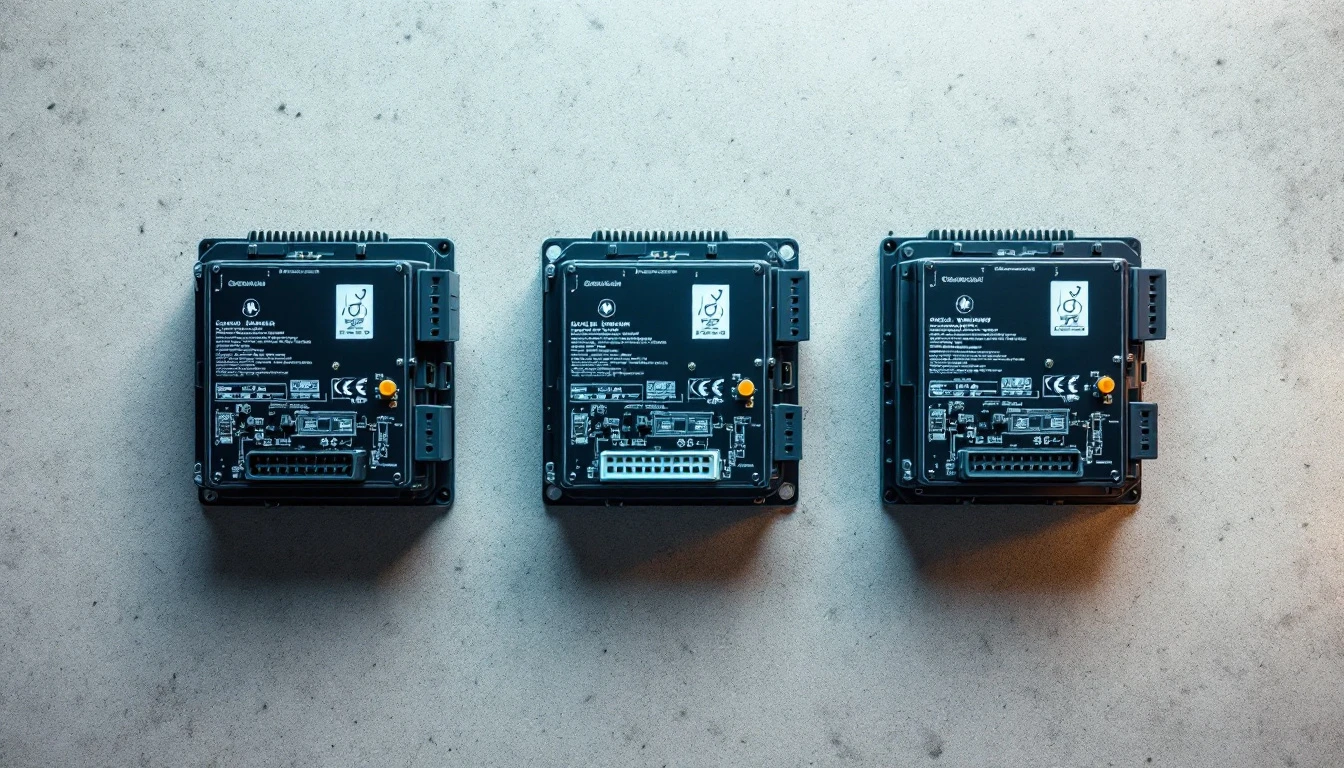
As of July 2026, few automotive terms cause more confusion at the repair counter than ECU, ECM, and PCM. A shop says your "ECM" is bad, an online parts listing calls the same box a "PCM," and a forum thread insists it's really the "ECU" — and you're left wondering whether they're talking about one part or three. They're mostly talking about the same idea with different names, but the differences that do exist are real, and they determine what gets programmed, how, and what it costs.
This guide is a plain-English disambiguation of the acronyms — ECU, ECM, PCM, plus the two you'll bump into right next to them, TCM and BCM. It explains what each module does, which vehicles use which naming, and when each one needs programming. For a deeper dive on the engine computer specifically, our ECU programming explained guide goes further; this article is the map that tells you which module you're actually dealing with.
Start Here: "ECU" Is the Umbrella Term
The cleanest way to untangle this is to fix one fact in place: ECU stands for Electronic Control Unit, and it is the generic term for any computer in the vehicle. A modern car ships with anywhere from 30 to 100-plus separate ECUs — the engine computer, the transmission computer, the body computer, the ABS module, the airbag module, the instrument cluster, the infotainment head unit, and on luxury vehicles individual units for seats, mirrors, and adaptive headlights.
So when someone says "ECU," they could technically mean any of those. In everyday shop and driver usage, though, "ECU" is most often shorthand for the engine computer specifically — which is exactly the same part most people also call the "ECM." That overlap is the root of the confusion. Strictly, every module is an ECU; loosely, "ECU" and "ECM" are used interchangeably for the engine's brain. Both usages are common, and neither is wrong in context — you just have to know which one the person in front of you means.
ECM — the Engine's Brain
The ECM (Engine Control Module) is the specific ECU that runs the engine. It reads dozens of sensors thousands of times per second — mass airflow, oxygen, coolant temperature, throttle position, knock, camshaft and crankshaft position — and controls the outputs that make the engine run: fuel injector pulse width, ignition timing, variable valve timing, electronic throttle, turbo boost, and the emissions-control devices. It is the single most critical module in the vehicle, because nothing else matters if the engine won't start, and it is the module most commonly requiring programming after failure or replacement.
A key point: an ECM controls the engine only. If a vehicle has an ECM, its transmission is run by a separate module — the TCM (below). This "separate ECM plus separate TCM" architecture is common on many import, European, and performance platforms.
PCM — Engine and Transmission in One Box
The PCM (Powertrain Control Module) integrates engine and transmission control into a single unit. Instead of an ECM and a TCM as two boxes, the PCM does both jobs, and on many platforms it also coordinates the immobilizer and a slice of body functions. Domestic manufacturers favor the PCM design — which is why a GM Silverado, a Ford F-150, or a Ram 1500 owner is far more likely to hear "PCM" than "ECM."
The integration is why PCM work is more involved than ECM work. A failing PCM can throw a no-start and erratic shifting at the same time, and a replacement has to be calibrated for both the engine family and the exact transmission in the vehicle — plus re-married to the immobilizer. Our PCM programming near me guide covers the flash-clone-virginize paths and the transmission relearn in depth.
So the practical distinction between ECM and PCM is simple: does one box run just the engine (ECM) or the engine and the transmission together (PCM)? That single question also tells you whether your vehicle has a separate transmission module.
TCM — the Transmission Computer
The TCM (Transmission Control Module) runs a modern automatic transmission: shift timing, shift firmness, line pressure, and torque-converter clutch lockup, plus clutch pressure or pulley ratio on dual-clutch and CVT designs. Here's how it fits the picture:
- On a vehicle with a PCM, transmission control lives inside the PCM. There is no separate TCM.
- On a vehicle with a standalone ECM, the transmission is run by a separate TCM working alongside it.
That's why "TCM programming" and "PCM programming" are sometimes the same conversation and sometimes not — it depends entirely on whether your vehicle integrates the two. When a replacement or used transmission module needs a reflash and VIN sync, the procedure and the adaptive relearn are the same idea as on a PCM's transmission side. Our TCM programming near me in Fort Worth guide walks through it.
BCM — the Body Computer (and Why It Touches Your Keys)
The BCM (Body Control Module) manages the vehicle's body electronics: interior and exterior lighting, power locks and windows, wipers, chimes, and — importantly — on many vehicles a piece of the immobilizer and keyless-entry system. That last part is why the BCM shows up in locksmith work at all: when it's replaced or when a used BCM is installed, it often has to be synced to your VIN and re-married to your keys before locks, remotes, or even starting will behave. Our what is BCM programming and when it's needed and BCM programming near me guides cover it fully.
The Whole Picture in One Table
| Acronym | Full name | What it controls | Which vehicles typically use it |
|---|---|---|---|
| ECU | Electronic Control Unit | Generic term for any control module; often shorthand for the engine computer | Every modern vehicle (as a category) |
| ECM | Engine Control Module | Engine only | Many import, European, and performance platforms (paired with a separate TCM) |
| PCM | Powertrain Control Module | Engine + transmission combined | Most domestic trucks/SUVs — GM, Ford, Stellantis |
| TCM | Transmission Control Module | Automatic transmission | Vehicles with a standalone ECM (not those with a combined PCM) |
| BCM | Body Control Module | Body electronics + part of immobilizer/keyless entry | Most modern vehicles |
Read the table top to bottom and the logic falls out: ECU is the umbrella; ECM and PCM differ only by whether the transmission is integrated; TCM exists only when it isn't; BCM is a separate domain that happens to touch your keys.
Which Does Your Car Have?
The fastest way to know is the platform tendency plus a scan-tool check:
- Domestic truck or SUV (GM, Ford, Ram/Stellantis)? Almost certainly a PCM — engine and transmission in one, no separate TCM. A Ford, Dodge, or Chevrolet owner is usually in PCM territory.
- Import, European, or performance vehicle? More likely a separate ECM for the engine and a standalone TCM for the transmission. A BMW or comparable platform commonly splits them.
- Any modern vehicle? It has a BCM, and it has many other ECUs besides.
A scan tool that lists the vehicle's modules confirms it definitively, which is why a competent programmer always identifies the architecture before quoting — the same box gets a different name and a different price depending on what it integrates.
When Each Module Needs Programming
Regardless of the name, these modules need programming in the same handful of situations:
- Replacement. A new module is blank and must be flashed with your calibration and, where the platform requires, synced to your VIN.
- Used-module install. A salvage module carries the donor vehicle's VIN and, on engine/powertrain/body modules, its immobilizer data — it has to be reflashed and re-VIN'd, and often virginized first. See our used ECM/PCM programming to a VIN guide.
- Manufacturer calibration update (TSB). A software revision that cures a known driveability, shifting, or electrical complaint.
- Immobilizer or security event. On modules tied to the security system (ECM, PCM, BCM), a fault or a key-programming attempt can require a programming session to restore trust on the network.
The engine or powertrain module (ECM/PCM) is the one programmed most often — partly because it's the most critical, and partly because it's tied to the immobilizer, so its work overlaps directly with key and transponder programming.
Who Can Program These — Dealer vs. Mobile Specialist
All of these modules can be programmed by a mobile specialist with the correct OEM platform and, where required, NASTF security credentials — the identity-verified access that gates immobilizer marriage and protected calibration on modern vehicles. A dealer can do it too, but usually at higher cost, with a tow if the vehicle can't drive, and often only on brand-new modules bought at their parts counter.
The tooling is why a general shop or quick-lube can't: a programming-capable platform is a four- to five-figure investment with per-OEM software subscriptions, and most modern reflashes require a live connection to the manufacturer's server for the calibration file and a security token. A credentialed mobile ECU/module programming specialist carries all of that and comes to your driveway, which is how the price lands below dealer bay labor while doing the identical procedure. Our can a locksmith program an ECM or PCM guide covers precisely which operations that credential reaches.
What It Costs Near Fort Worth
Because "ECU," "ECM," and "PCM" can all name a different real job, there is no single price — the cost tracks the module and the work, not the acronym. As a framing:
- A calibration or TSB reflash (software only, no VIN sync) is the lowest tier.
- A new-module flash with VIN sync is the middle tier.
- A used-module VIN sync runs higher because it adds virginizing and immobilizer marriage — and highest of all on VIN-locked European platforms that need bench-level work.
- A PCM job generally sits above a bare ECM job because it also calibrates the transmission and forces an adaptive relearn.
We give an all-in quote after confirming your year, make, model, and whether the module is new or used — the PCM programming near me and used ECM/PCM guides break the tiers down further.
Frequently Asked Questions
What is the difference between an ECU, an ECM, and a PCM?
ECU (Electronic Control Unit) is the generic term for any of the computers in a vehicle. ECM (Engine Control Module) is the specific computer that runs the engine. PCM (Powertrain Control Module) combines engine and transmission control into one module. So an ECM and a PCM are both ECUs; the difference between ECM and PCM is whether transmission control is integrated into the same box.
Does my car have an ECM or a PCM?
It depends on the platform. Most domestic trucks and SUVs — GM, Ford, and Stellantis — use a combined PCM that runs both engine and transmission. Many import and performance vehicles use a separate ECM for the engine plus a standalone TCM for the transmission. The vehicle's service information or a scan-tool module list confirms which architecture yours uses.
Is the ECU the same as the ECM?
Not exactly. "ECU" is a generic label for any control unit in the vehicle, and many people use it as shorthand specifically for the engine computer. "ECM" is the precise name for the engine control module. In everyday use ECU and ECM often mean the same thing, but strictly speaking every module — engine, transmission, body, ABS — is an ECU.
What does a TCM do, and how is it different from the PCM?
A TCM (Transmission Control Module) runs the automatic transmission — shift timing, line pressure, and torque-converter lockup. On vehicles with a combined PCM, that transmission function lives inside the PCM and there is no separate TCM. On vehicles with a standalone ECM, the TCM is a separate module handling the transmission alongside it.
What is a BCM and does it ever need programming?
A BCM (Body Control Module) manages body electronics — lighting, locks, windows, wipers, and often a piece of the immobilizer and keyless-entry system. It needs programming when it is replaced, when a used BCM must be synced to your VIN and keys, or when a manufacturer software update addresses an electrical fault. Because it touches the security system, BCM work often overlaps with key programming.
Which of these modules needs programming most often?
The engine or powertrain module (ECM/PCM) is the one most commonly programmed, because nothing else matters if the engine won't start and because these modules are tied to the immobilizer. Any of them — ECM, PCM, TCM, or BCM — needs programming after replacement, a used-module install, or a manufacturer calibration update.
Do I need the dealer to program these modules, or can a locksmith do it?
A mobile locksmith or programmer with the correct OEM platform and, where required, NASTF security access can program ECM, PCM, TCM, and BCM modules for most vehicles on site — including immobilizer marriage and key sync. The dealer can do it too, but usually at higher cost, with a tow if the vehicle can't drive, and often only on brand-new modules.
Get Module Programming Near You in Fort Worth
Fort Worth Locksmith & Computer Programming identifies exactly which module your vehicle uses — ECM, PCM, TCM, or BCM — and programs it on site throughout Fort Worth and the DFW metroplex. We bring the correct OEM platform and a proper power supply to your driveway, handle immobilizer marriage and key sync in the same visit, and quote the real job rather than a guess at an acronym. Explore our ECU programming and module programming services, or see how we cover Fort Worth and the surrounding cities.
Call (817) 668-3801 or email contact@fwlocksmith.com with your year, make, and model, and we'll tell you which module you're dealing with and what the work involves before we dispatch. We are mobile and available 24/7. You can also reach us through our contact page.
Texas locksmiths are licensed and regulated by the Texas Department of Public Safety Private Security Program.