Ford Super Duty F-250/F-350 Key & Module Programming in Fort Worth
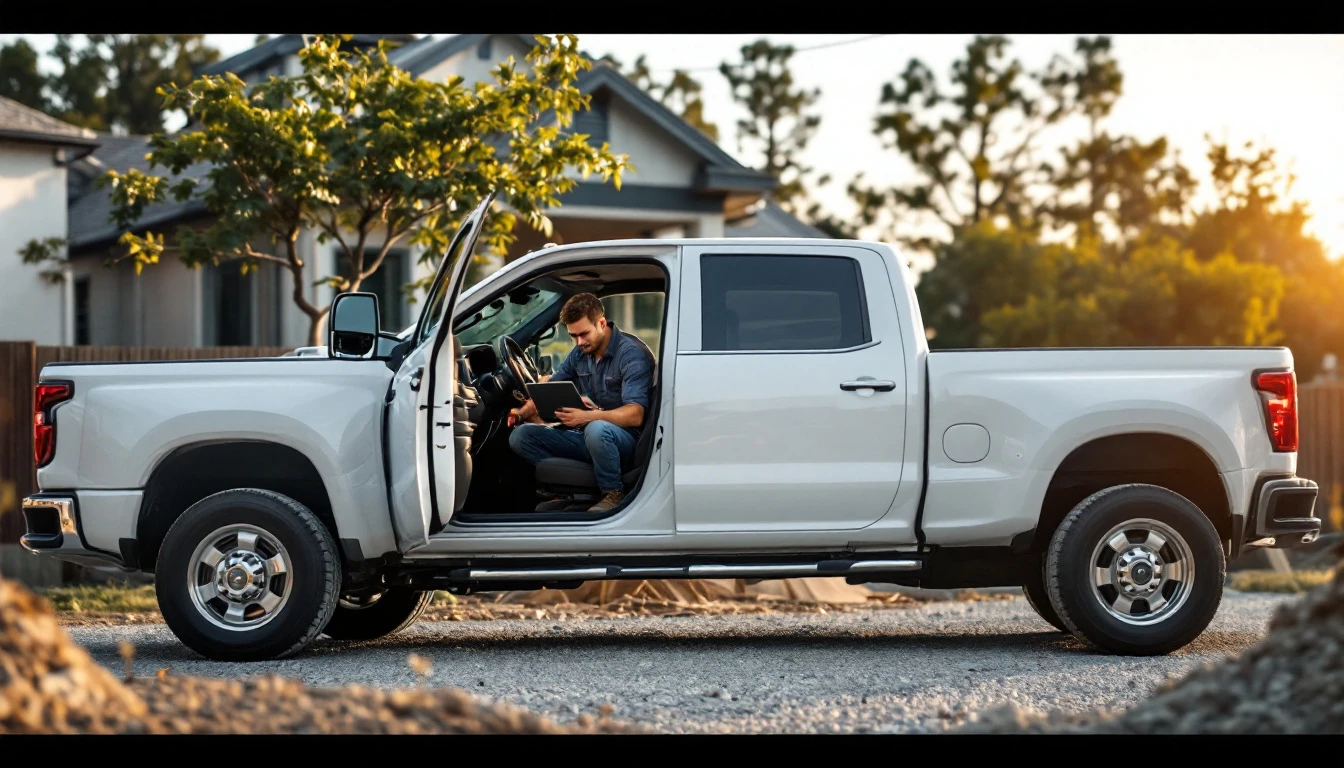
Super Duty trucks arrive with a specific set of questions, and most of them come from the same misconception: that an F-250 and an F-350 of the same year take the same key. They frequently do not, because Ford does not decide the key by payload rating. It decides by trim and by generation.
As of September 2026, this guide covers what Super Duty key and module work actually involves in Fort Worth — organized by generation, with the diesel module side kept separate from the key side, because they are different jobs that get confused constantly.
Key Type by Generation and Trim
| Generation / model years | Common key type | Typical Fort Worth price | What is programmed |
|---|---|---|---|
| 1999–2010, work and base trims | Transponder blade key | $120–$250 | Chip written to the PATS key list |
| 2008–2016, upper trims | Remote-head or flip key | $175–$300 | Chip plus remote lock, unlock and panic |
| 2011–2016, with remote start | Remote-head key, extended functions | $175–$300 | Same, with factory remote start functions |
| 2017–2026, XL and XLT work trims | Transponder blade key | $120–$250 | Chip written to the PATS key list |
| 2017–2026, Lariat, King Ranch, Platinum | Proximity smart key, push-button start | $250–$450 | Immobilizer, remote functions, cabin antennas |
| Any generation, second key in the same visit | Incremental charge | Blank and cutting only — session already open | |
| Any generation, all keys lost | Quote required after diagnosis | Key list rebuilt from nothing |
The fifth row is where most fleet money gets saved and most individual money gets wasted. Everything else on that table assumes a session opened from scratch.
Why the Trim Matters More Than the Badge
A 2019 F-250 XL bought for a crew is a fundamentally different vehicle, electrically, from a 2019 F-350 Platinum bought for towing a fifth wheel. The XL commonly has a keyed ignition and a transponder blade key. The Platinum commonly has push-button start and a proximity fob. Same year, same truck line, two different key jobs at two different prices.
This causes real problems for fleets that assume uniformity and order blanks in bulk. It also causes phone-quote friction: "it's a 2019 F-250" does not describe the key. A photo of the existing key, or the VIN, resolves it in seconds and turns a range into a number.
PATS: What Actually Happens
Ford's Passive Anti-Theft System is the immobilizer at the center of every key job on these trucks. The transponder in the key answers a challenge from a reader around the ignition cylinder or behind the push-button start. The body module and the powertrain module both have to be satisfied before the engine is permitted to run.
Two practical consequences follow:
A key that unlocks the doors is not necessarily a key the engine accepts. Remote functions and immobilizer authorization are separate systems in the same piece of plastic. A fob whose buttons work while the truck refuses to start is a PATS problem, not a remote problem.
All-keys-lost wipes the list. The procedure does not add a key to an unknown set; it rebuilds the set. Any key not present during that session stops working. On a work truck with keys distributed among several drivers, that matters operationally and should be planned for before the technician starts.
The full PATS picture, including where the PCM fits in and how the body module and powertrain module share the decision, is covered in Ford PATS programming and PCM reflash.
The 2017 Redesign Changed the Upper Trims
The 2017 Super Duty redesign brought the upper trims onto proximity keys and push-button start, and with that came cabin antennas, a different fob architecture, and a different failure set.
The most common proximity complaint on these trucks is not a dead immobilizer at all — it is detection. The fob is fine, the truck simply is not seeing it, because an antenna or its wiring has failed or because the fob battery is marginal. The distinction between "not authorized" and "not detected" is worth understanding before paying for a key, and our push-button start not working guide covers how to tell them apart.
Work trims in the same years largely stayed on blade keys, which is why a 2021 Super Duty can be either job.
The Diesel Module Side
This is where Super Duty work diverges from an F-150 and where most of the confusion lives. Key programming and powertrain module programming are different operations, and a truck can need one without the other.
On a 6.7-liter Power Stroke, the modules that come up most often are the powertrain control module, the transmission control module, and the fuel-side and emissions-related controllers. Programming those means flashing calibrations or configuring a replacement module — not writing keys. Our diesel ECM and PCM programming guide covers the Ford, GM and Ram diesel platforms together, including what a calibration update actually changes and why a truck can need one after a driveability complaint that no part replacement resolved.
Older Super Duty diesels carry their own well-known module considerations. The Ford fuel pump driver module programming guide covers a component that produces a dramatic no-start on trucks that have nothing wrong with their keys at all — a distinction worth making early, because the symptom looks alarming and the two repairs are nowhere near each other in cost.
One rule applies across all of it: module programming on a diesel needs stable voltage. A flash interrupted by a sagging battery can leave a module in an unusable state. A proper session runs with a maintainer on the battery, and any shop that skips that step on a diesel is taking a risk with your truck rather than with its own.
Used Modules on a Super Duty
Ford is among the more permissive platforms for used module work, which makes salvage parts genuinely viable where they are not on a European vehicle. A used PCM can frequently be programmed to the truck's VIN with the correct calibration, and a used body module can often be configured.
The caveats are the ones that always apply: the donor has to be the correct hardware and calibration family, the module carries the donor's identity until it is rewritten, and any module that stores key data needs the key list addressed. Our guide to used ECM and PCM programming to VIN covers what that involves, and how long module programming takes covers the time side, which matters when the truck is supposed to be working.
Work Truck and Fleet Considerations
Spares, held off the truck. Two programmed keys per truck, kept somewhere that is not the truck. This is the entire fleet strategy and everything else is downstream of it. Our spare key cost by key type guide covers the economics in detail; the short version is that an incremental key during a scheduled visit costs a fraction of an emergency call.
Record the key type per unit. Mixed-trim fleets should have a list. Assuming uniformity is how the wrong blank arrives at a job site.
Upfit equipment in the path. Toolboxes, aftermarket lighting, ladder racks and auxiliary wiring occasionally interfere with remote range or introduce a fault that presents as a key problem. If a fob's range dropped right after an upfit, that is a clue about the upfit, not the fob.
Downtime is the real cost. A Super Duty that cannot move is not just a repair bill. Mobile service exists largely because of this arithmetic — work performed at the job site rather than after a tow. Vans and light commercial vehicles have similar considerations, covered in the Ram ProMaster and Ford Transit work van spare key guide.
Keep the keys with the truck, not with the person. Fleets that assign keys to drivers rather than to units lose them at every turnover. A key rack at the shop with a unit number on each hook is unglamorous and it eliminates most emergency calls.
What Settles a Quote
The VIN. Confirms generation, trim, key type and whether push-button start is present.
Whether a working key exists. The largest single price variable on any immobilizer platform.
Whether the issue is a key or a module. A truck that cranks and dies with a security light is a key or immobilizer job. A truck that cranks strongly and never fires with no security light is usually not.
Gas or diesel, and which engine. Irrelevant to the key job, decisive on the module side. A 6.2-liter gas Super Duty and a 6.7-liter Power Stroke of the same year take the same key and an entirely different module set, which is why the engine question gets asked even on a call that turns out to be purely about a lost fob.
For the service pages covering this work, see Ford key replacement and module programming. The half-ton counterpart, which shares the PATS architecture but not the diesel module set, is covered in our Ford F-150 key replacement and PATS guide.
One last practical note for anyone calling about a Super Duty that will not start: describe what the truck does, not what you think is wrong with it. "It cranks strong and never catches, no lights on the dash" and "it fires for a second and dies with a key symbol lit" are two sentences that send a technician down two completely different paths, with two different sets of equipment in hand. Getting that right on the phone is often the difference between one visit and two, and on a truck that is supposed to be earning money that afternoon, it is the most valuable thing the owner contributes to the repair.
Frequently Asked Questions
What key does a Ford Super Duty take?
It depends on generation and trim rather than on the F-250 or F-350 badge. Work-trim Super Duty trucks through the 2016 model year generally take a transponder blade key. Higher trims from roughly 2011 onward often take a remote-head or flip key. From the 2017 redesign forward, upper trims including Lariat, King Ranch and Platinum are commonly built with proximity keys and push-button start, while XL and XLT work trucks in the same years frequently still use a blade key. The VIN settles it definitively.
How much does a Super Duty key cost in Fort Worth?
As of September 2026 a transponder blade key for a Super Duty typically runs about 120 to 250 dollars cut and programmed, a remote-head or flip key about 175 to 300 dollars, and a proximity smart key about 250 to 450 dollars. All-keys-lost work is quoted after the platform and generation are confirmed, because originating a key with no working key present is a materially different job from adding a spare.
Can a locksmith program a Super Duty key without the dealer?
Yes for the large majority of Super Duty model years. Ford's PATS immobilizer system has been accessible to properly equipped independent locksmiths for a long time, and both spare keys and all-keys-lost origination are routine mobile work on these trucks. A small number of the newest model years require a manufacturer-authorized online session, which is arranged rather than improvised but does not require a dealership visit.
Does programming a Super Duty key erase my existing keys?
Adding a key through a proper authorized session does not erase the others. What does erase them is the all-keys-lost procedure, which by design wipes the key list and rebuilds it from scratch. This is why an all-keys-lost job should include every key you want the truck to accept going forward — bringing out the spare you found in a drawer afterward means it has to be programmed separately.
Is diesel module programming the same as key programming on a Super Duty?
No, and conflating them causes a lot of confusion. Key programming writes a key into the immobilizer key list. Diesel module programming means flashing or configuring the powertrain control module, the fuel-side modules, or the transmission module. They use different procedures and are priced differently. A truck can need one without needing the other, and a shop should be clear about which one it is quoting.
Can this be done at a job site rather than a shop?
Most of it, yes, and that is the point for a working truck. Key cutting and programming, PATS work, fault reading, and most module flashing are performed at the vehicle with a laptop and a stable power supply on the battery. The exceptions are bench-level work on a module that must be opened and read directly, and a handful of procedures that require a controlled online session. A truck that will not start does not need a tow before anyone can look at it.
What should a fleet keep on hand for Super Duty trucks?
Two programmed keys per truck at minimum, held somewhere other than the truck. The cost of a spare cut and programmed during a scheduled visit is a fraction of the cost of an emergency all-keys-lost call, and the difference in downtime is measured in hours rather than dollars. Fleets running mixed trim levels should also record which trucks take which key type, because assuming they are all the same is how the wrong blank arrives on site.