2026: How Much Does ECM Replacement Cost in Fort Worth?
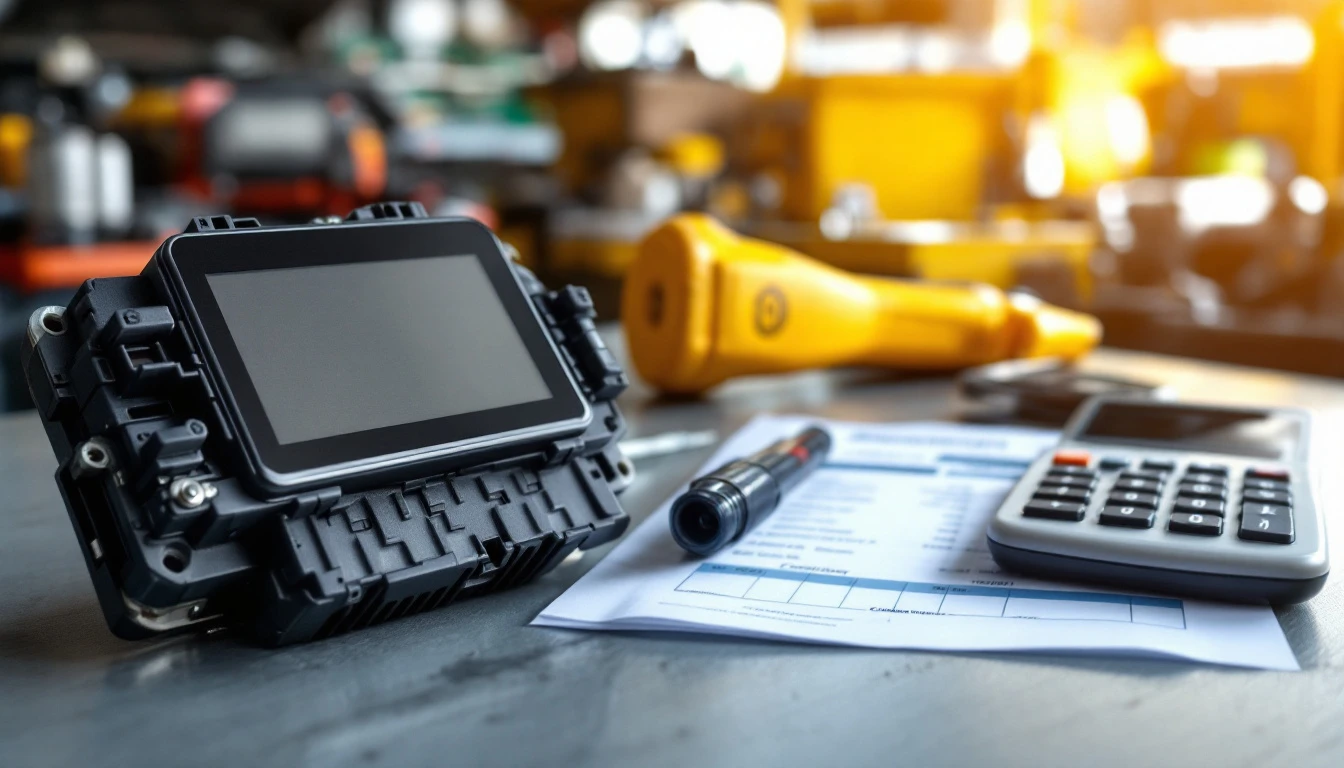
"How much does it cost to replace an ECM?" is one of the most-searched — and most-misunderstood — automotive cost questions. The confusion comes from a single fact people miss: the price you see for an engine control module (ECM, also called the PCM on many vehicles) is just the part. To make that module actually run your engine, it has to be programmed — and that is a separate cost. This 2026 guide breaks down real ECM replacement pricing in Fort Worth, part by part and step by step, so you can see where the money goes and where the savings are.
If your vehicle needs an ECM or PCM, our ECU programming service handles the programming side — the step that turns a bare module into a working engine — at your location.
The Two-Part Cost Nobody Explains Up Front
Every ECM replacement is two costs added together:
- The module (the part). Hardware you buy — new, remanufactured, or used.
- The programming (the labor). Writing your vehicle's calibration, VIN, and immobilizer data so the engine will start and run.
An online listing for "$220 ECM" is quoting the part alone. It does not include programming, and a bare module that is not programmed will not start your car. This is the single biggest source of sticker shock — and the single most useful thing to understand before you shop. The programming is what makes the module work; the part is only half the job.
What the Module Itself Costs
Part pricing varies enormously by how you source it and how exotic the platform is. As of July 2026, the broad landscape:
- Used / salvage-yard module — the cheapest part, often a few hundred dollars, but may need a re-VIN and is not usable on VIN-locked platforms.
- Remanufactured module — a rebuilt unit, typically mid-range, often the best value-to-reliability balance.
- New aftermarket — where available, mid-range.
- New OEM dealer part — the most expensive, and on luxury platforms can run well over a thousand dollars.
The part is where your sourcing choice makes the biggest dollar difference. The programming, by contrast, is a more consistent labor cost.
What the Programming Costs
As of July 2026, typical DFW mobile programming ranges — the labor to marry the module to your vehicle:
| Programming scenario | Typical range | Notes |
|---|---|---|
| New ECM/PCM programming (domestic) | $150–$500 | Calibration + VIN + immobilizer pairing |
| Used ECM/PCM re-VIN (domestic/Asian) | $325–$500 | Some platforms only |
| Used ECM/PCM re-VIN (European) | $500–$1,200 | Bench-level EEPROM work |
| TSB reflash / calibration update | $175–$325 | No new part needed |
| Immobilizer lockout clearance | $175–$325 | Platform-dependent |
Luxury and complex platforms are quoted after a diagnosis rather than off a chart, because the tool and time requirements vary too much to promise sight-unseen. Add the programming figure to your part price, and you have the honest total. Our broader module programming cost guide covers the full range of module types.
Putting a Real Number Together
Say you drive a domestic truck with a failed PCM. A realistic build-up:
- Used PCM part: a few hundred dollars.
- Re-VIN programming (domestic): $325–$500.
- Diagnosis to confirm the module is actually dead: worth doing first.
Versus the dealer route: a new OEM PCM at retail plus bay labor plus a possible tow, which stacks into a much larger number. The mobile path saves by letting you source the part competitively and avoiding dealership overhead — not by skipping the programming, which is the step that makes the module work. See our dealer vs. locksmith module programming guide for the full comparison.
Before You Buy Anything: Confirm the ECM Is Actually Dead
The most expensive ECM mistake is buying and programming a module the car did not need. Symptoms that look like a dead ECM — no-start, stalling, a wall of warning lights — can also come from:
- A corrupted calibration that a reflash fixes without any new part.
- A wiring, connector, or ground fault mimicking a module failure.
- A failed sensor the ECM is faithfully reporting.
- A repairable board-level issue on some modules.
A proper diagnosis confirms the module is truly the failure before you spend. Replacing a good ECM for a chafed ground wire is exactly the avoidable cost a scan would have prevented — and it is why a responsible specialist diagnoses before it sells a replacement. Our ECU vs. ECM vs. PCM explainer helps you understand what you actually have, and our scam-avoidance guide covers shops that skip the diagnosis.
New vs. Reman vs. Used: The Honest Trade-off
- Used is cheapest on the part but riskiest: may need a re-VIN, may be VIN-locked, quality varies by donor.
- Remanufactured is often the sweet spot — tested, warrantied, mid-priced.
- New costs the most but arrives blank and programs cleanly, with no donor-history risk.
A good specialist walks you through all three numbers — part plus programming for each — before you commit, rather than pushing whichever bills highest. On a VIN-locked European platform, "used" may not even be an option, and knowing that before you buy saves a wasted purchase.
How the Replacement Actually Happens
A mobile specialist:
- Diagnoses to confirm the ECM is the failure.
- Helps you source the right part for your platform (new, reman, or used).
- Installs and programs the module — calibration, VIN, immobilizer pairing.
- Verifies the engine starts and runs cleanly with a fresh scan.
A stable 50-to-70-amp power supply protects the module during the flash. For realistic timing, see our programming time guide.
Fort Worth Locksmith & Computer Programming is a mobile, 24/7 service-area business serving Fort Worth and Tarrant County. We handle the full range of engine-module work across makes — Ford PATS/PCM, Chevrolet/GM ECM/BCM, diesel ECM/PCM, and Chrysler/Dodge/Jeep SKIM/WIN/PCM.
Credentials and Compliance
ECM programming means writing to a vehicle's engine and immobilizer systems, so legitimacy matters. In Texas, automotive locksmiths and programming specialists operate under the Texas Department of Public Safety (DPS) Private Security program and a reputable specialist verifies vehicle ownership before immobilizer work. Emissions-related calibrations must comply with Environmental Protection Agency (EPA) Clean Air Act rules — a legitimate provider will not perform an emissions-defeating flash. Secure OEM access, where required, is coordinated through the National Automotive Service Task Force (NASTF).
Hidden Costs and How to Avoid Them
The headline part price is rarely the whole bill. A few costs surprise people, and all of them are avoidable with a little foresight:
- The core charge. Remanufactured modules often carry a core charge — a deposit you get back when you return your old unit. Budget for it up front and follow through on the return to recover it.
- The wrong part. Ordering a module that matches the model but not the exact engine, calibration family, or hardware revision is the most common wasted purchase. Match the part number off your original module wherever possible.
- The VIN-lock surprise. Buying a used module for a platform that locks it to the original VIN means it cannot be adapted — money spent on a part you cannot use. Confirm platform support before you buy.
- The re-VIN premium on European modules. A used European ECM that needs bench-level EEPROM work to accept your VIN costs more in labor than a domestic re-VIN. If you drive a European car, factor that in before assuming "used = cheap."
- The diagnosis you skipped. The biggest hidden cost of all is buying and programming a module the car never needed. A proper diagnosis up front is cheap insurance against a several-hundred-dollar mistake.
Avoiding these is mostly about sequencing: diagnose first, confirm platform support, match the exact part, then buy — in that order.
The Emissions-Compliance Line You Shouldn't Cross
One more cost worth naming: the temptation to "tune" or "delete" during an ECM job. Aftermarket flashes that defeat or remove factory emissions controls violate Environmental Protection Agency (EPA) Clean Air Act rules, can fail Texas emissions inspection, and expose you to real liability. A legitimate ECM replacement writes the manufacturer's calibration — nothing that disables an emissions device.
A responsible specialist will decline an emissions-defeating flash and explain why, the same way we decline to clear an airbag module on an unrepaired car. It is not about leaving money on the table; it is about keeping your vehicle legal and inspectable. Straight dealing on this — like quoting after diagnosis instead of promising a cheap sight-unseen number — is part of what separates a professional from a corner-cutter, a theme we return to in our scam-avoidance guide. We handle ECM work the right way, at your location across Fort Worth and Tarrant County.
Frequently Asked Questions
How much does ECM replacement cost in 2026?
Total ECM replacement cost is the module part plus the programming to marry it to your vehicle. As of July 2026, the programming portion for a domestic vehicle typically runs about $150 to $500, and the module itself ranges from a few hundred dollars for a used or remanufactured unit to well over a thousand for a new dealer part on a luxury platform. We quote the programming all-in after confirming your vehicle; the part price depends on where you source it.
Is the ECM part cost separate from programming?
Yes, and confusing the two is the most common source of sticker shock. The module is the hardware; programming is the labor that writes your calibration, VIN, and immobilizer data so the engine will run. A cheap used module still needs programming, and a quoted 'ECM price' online almost never includes that step — so always add programming to the part cost to get the real number.
Is a used or remanufactured ECM cheaper than new?
The part usually is. A used or remanufactured module can cost a fraction of a new dealer unit. But the total is the part plus programming, and on some platforms a used module needs a re-VIN that adds labor, or is VIN-locked and cannot be used at all. We help you weigh new vs. reman vs. used before you buy, so the cheaper part does not turn into a more expensive job.
Why is dealer ECM replacement so expensive?
Dealership pricing bundles a new OEM module at retail, bay labor at a fixed hourly rate, a diagnostic fee, and often a tow if the car will not start. A mobile specialist charges for the specific programming job and lets you source the part competitively, which is why the same replacement can cost noticeably less outside the dealership.
Can a locksmith or mobile specialist replace and program an ECM?
A mobile module-programming specialist programs the replacement ECM to your vehicle on site — writing the calibration, VIN, and immobilizer pairing so the engine runs. Physical replacement is simple on most vehicles; the value is in the programming. For platforms that lock the module or need bench-level work, the specialist confirms feasibility before quoting.
Do I always need a new ECM, or can mine be repaired or reflashed?
Not always. Some 'ECM' complaints are actually a corrupted calibration that a reflash fixes, a wiring or sensor fault mimicking a module failure, or a repairable board-level issue. A proper diagnosis confirms the module is truly dead before you spend on a replacement, because replacing a good ECM for a wiring problem is a costly mistake that a scan would have prevented.
What's the cheapest legitimate way to replace an ECM?
Usually: confirm the module is actually the failure with a diagnosis, source a quality used or remanufactured unit that matches your vehicle and is not from a VIN-locked platform, and have a mobile specialist program it on site to avoid dealer markup and a tow. The savings come from the part sourcing and the avoided bay labor — not from skipping the programming, which is what makes the module work.
Facing an ECM or PCM replacement in Fort Worth? Call or text Fort Worth Locksmith & Computer Programming at (817) 668-3801. Give us your year, make, and model, and we will help you confirm the module is truly the problem, source the right part, and program it on site — with an all-in programming quote up front.